 King County
 Asphalt Shingle Roofing Built for Sammamish Conditions
Sammamish sits far enough from the Sound that people sometimes assume their roof gets an easier ride than homes closer to the water. In practice, the plateau's tree cover, elevation, and long wet season put a different but equally serious set of demands on a roof. Between salt-tinged air moving up from Puget Sound on windy days, driving rain that comes in sideways off the lake and hills, and a moss season that can run eight months out of the year under heavy tree canopy, an asphalt shingle roof in this part of King County needs to be installed and maintained with those specific stresses in mind. This page covers what that actually looks like for a Sammamish home, not a generic roofing overview.
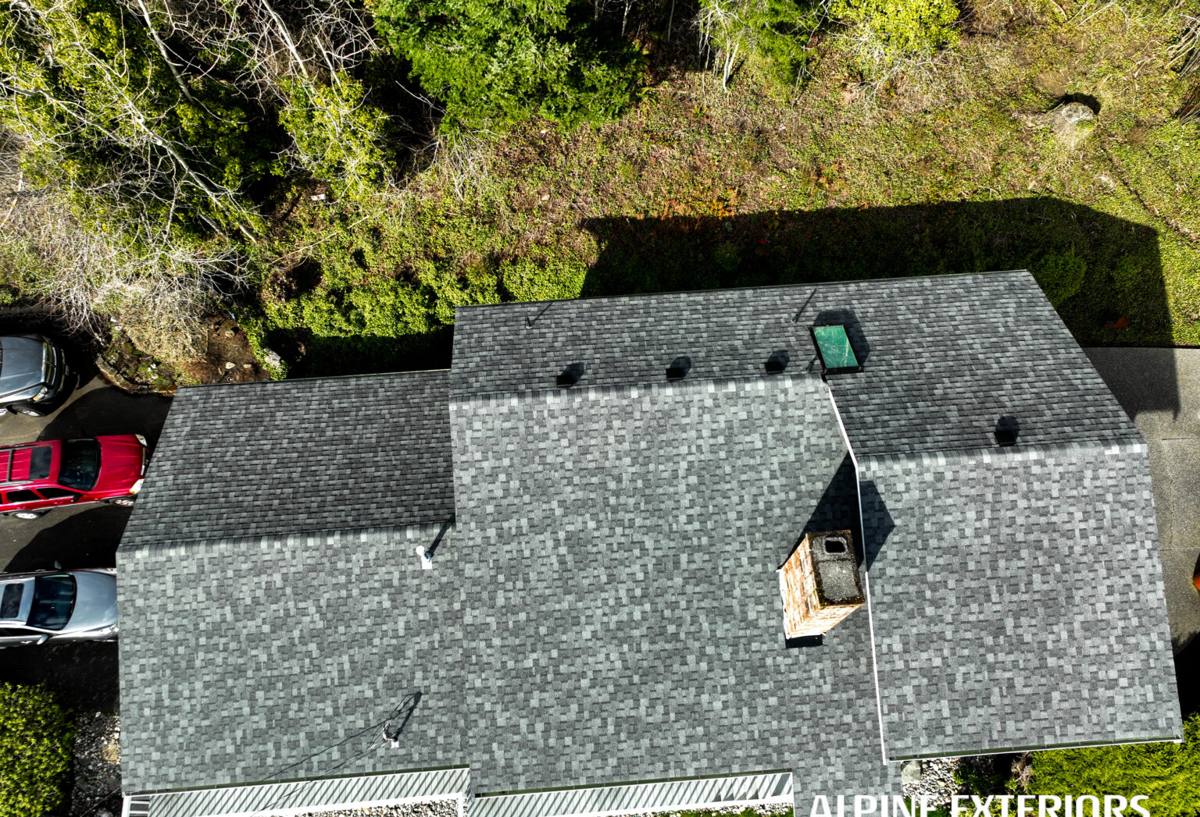
What Sammamish's Climate Does to a Shingle Roof
Three regional factors do most of the damage over time, and they compound each other if a roof isn't built to handle them.
Moisture and Moss
Sammamish neighborhoods with mature tree cover stay shaded and damp for much of the year. Shingles in those conditions hold moisture longer after every rain, which is exactly the environment moss and algae need to establish. Once moss gets a foothold, it works under the shingle tabs and lifts them slightly, which lets wind-driven rain track further underneath than it should. Left unaddressed for a few seasons, that lifting turns into granule loss and eventually leaks at the weakest points — usually valleys, low-slope sections, and anywhere two roof planes meet.
Driving Rain and Wind
Rain in this area rarely falls straight down. Storms moving through King County frequently push rain at an angle, which means water finds gaps that would never be tested on a calm, vertical rainfall. Underlayment quality, proper shingle overlap, and correctly sealed valleys and flashing matter more here than in drier climates where a roof mostly has to shed water, not resist it being driven sideways into every seam.
Salt Air and Humidity
Sammamish isn't waterfront, but King County as a whole sits close enough to Puget Sound that airborne salt and near-constant humidity accelerate corrosion on exposed metal — nail heads, flashing, and vent components. A roof that looks fine from the ground can have fasteners or flashing quietly corroding underneath, which is one of the more common causes of a leak that seems to "come from nowhere."
What a Correct Asphalt Shingle Job Involves Here
A roof that's going to hold up under Sammamish conditions needs more than shingles nailed to plywood. The details that actually determine how long it lasts are mostly things you can't see once the job is done:
- Underlayment: A synthetic or high-quality felt underlayment rated for our wet season, installed with proper overlap, is the real waterproofing layer — the shingles are the second line of defense, not the first.
- Ice and water shield at vulnerable points: Eaves, valleys, and areas around chimneys and skylights get a self-adhering membrane, not just underlayment, because these are where driving rain and ponding water cause the most damage.
- Proper nailing pattern: Shingles rated for higher wind exposure only perform to spec if every nail is placed correctly and at the right count — this is one of the most commonly rushed steps on lower-quality installs.
- Flashing at every penetration and wall intersection: Corrosion-resistant flashing, properly integrated with the underlayment (not just caulked on top), at every vent pipe, chimney, and roof-to-wall transition.
- Balanced attic ventilation: Intake at the eaves and exhaust at the ridge, sized correctly for the attic volume, so moisture from inside the home doesn't condense against the underside of the roof deck.
Shingle Types and How They Handle Local Conditions
Not every asphalt shingle product performs the same way under heavy shade, moisture, and moss pressure. The table below is a general guide, not a price quote — actual costs depend on roof size, pitch, tear-off scope, and access.
| Shingle Type | Typical Lifespan | Moss/Algae Resistance | Best Fit For |
|---|---|---|---|
| Standard 3-tab | 15-20 years | Low unless treated | Budget-conscious re-roofs on sun-exposed sections |
| Architectural (dimensional) | 25-30 years | Moderate; better with algae-resistant granules | Most Sammamish homes; better wind and impact performance |
| Algae-resistant (copper/zinc granule) architectural | 25-30 years | High | Heavily shaded, tree-covered lots — common on the plateau |
| Premium/designer laminate | 30+ years | High (with AR granules) | Homes prioritizing appearance and longer warranty coverage |
For most Sammamish properties with any real tree canopy, we steer homeowners toward an algae-resistant architectural shingle. The upfront cost difference over a standard shingle is modest, and it directly addresses the single biggest local durability issue: moss and algae growth in shaded, damp conditions. Where a roof has full sun exposure and minimal tree cover, a standard architectural shingle without the AR treatment can still make sense.
Our Process for a Sammamish Roof Replacement
1. On-Site Inspection and Assessment
We walk the roof (or use appropriate access methods on steep pitches) to check the deck condition, existing ventilation, flashing condition, and any signs of moss intrusion or moisture damage. We also look at tree cover and sun exposure, since that directly affects which shingle product makes sense.
2. Honest Scope and Options
We explain what we found in plain terms — what's failing, what's still sound, and what your realistic options are. If a full tear-off isn't necessary, we'll say so. If it is, we'll explain why rather than just recommending the biggest job.
3. Tear-Off and Deck Inspection
Old roofing comes off down to the deck so we can check for soft spots, water damage, or rot that a layover installation would hide. Any damaged decking gets replaced before new underlayment goes down — this is a step that gets skipped on cut-rate jobs and causes problems years later.
4. Underlayment, Flashing, and Ventilation
This is where the roof's actual weather resistance gets built. Ice and water shield at vulnerable areas, correctly lapped underlayment, new corrosion-resistant flashing, and a balanced ventilation system sized to your attic.
5. Shingle Installation
Shingles go on with manufacturer-specified nailing patterns and exposure, keeping wind rating and warranty terms intact. We keep the job site controlled and clean up thoroughly, including a magnetic sweep for stray nails.
6. Final Walkthrough
We walk the finished roof with you, cover basic maintenance expectations for a shaded King County property — mainly around moss prevention — and make sure you know what your warranty actually covers.
Cost Factors for a Sammamish Roof Replacement
Every roof is different, but the variables that most often move the price on a Sammamish job are consistent:
| Factor | Why It Matters |
|---|---|
| Roof pitch and access | Steeper pitches and limited access (common on hillside lots) increase labor time and safety equipment needs |
| Number of layers to remove | Tear-off of multiple existing layers takes longer and adds disposal cost |
| Deck condition | Rot or soft spots found during tear-off require plywood replacement before shingles go on |
| Roof complexity | Valleys, dormers, skylights, and multiple roof planes all add flashing and labor time |
| Shingle grade chosen | Standard vs. architectural vs. algae-resistant vs. premium laminate |
| Ventilation upgrades needed | Older homes often need added intake or exhaust vents to meet current airflow needs |
Signs a Sammamish Roof Needs Attention
Because moss and moisture damage build slowly under tree cover, a lot of homeowners don't notice a problem until it's already affecting the interior. Worth checking for:
- Visible moss growth, especially in shaded north-facing sections or valleys
- Granules collecting in gutters or at downspout outlets
- Shingle tabs that look curled, lifted, or cupped
- Dark streaking that doesn't wash off with rain (algae staining)
- Any daylight visible through the attic roof deck
- Musty smell or visible moisture in the attic, which points to ventilation or leak issues
- Missing or damaged shingles after a windstorm
Why Local Experience on the Eastside Matters
Sammamish and the surrounding King County plateau communities have their own microclimate quirks compared to Seattle proper or the lowlands — more tree cover on many lots, different sun exposure patterns depending on where a home sits relative to the lake and hills, and HOA or design guidelines in some neighborhoods that affect material and color choices. A crew that already works this area knows which shingle products actually hold up under heavy shade here, understands the permitting expectations in King County, and isn't guessing at ventilation needs based on a different region's climate. That local familiarity shows up in fewer surprises during the job and a roof that's specified correctly the first time.
Maintenance That Actually Extends the Life of a Sammamish Roof
A well-installed asphalt shingle roof still benefits from basic upkeep in this climate. We recommend:
- Keeping overhanging branches trimmed back to reduce shade, debris buildup, and moss pressure
- Clearing gutters and valleys of needles and leaf debris at least twice a year
- Having moss treated (not pressure-washed, which can strip granules) before it establishes heavily
- A visual roof check after major windstorms, which are common in this region during fall and winter
- Addressing small leaks or lifted shingles promptly rather than waiting for a bigger failure
If you're weighing a repair versus a full replacement, or just want a straight answer on what your roof actually needs, we're glad to take a look. Request a free, no-pressure estimate using the form below and we'll walk you through your options for your specific home and lot.