 King County
 Exterior Work in Rainier Valley
Rainier Valley sits close enough to Lake Washington and the broader Puget Sound air mass that its homes take on a specific mix of exterior stress: damp, moisture-laden air for much of the year, long stretches of driving rain off the water, and shaded lots where moss and algae get a real foothold on north- and west-facing walls. None of that is unusual for King County, but it adds up differently here than it does further inland, and it shapes what actually holds up on a house long-term versus what just looks fine for the first few years.
We work on siding, roofing, windows, and decks across the neighborhood, and most of the calls we get start the same way: a homeowner noticed something soft, stained, or peeling on the exterior and wants an honest read on whether it's a patch job or a sign of something bigger.
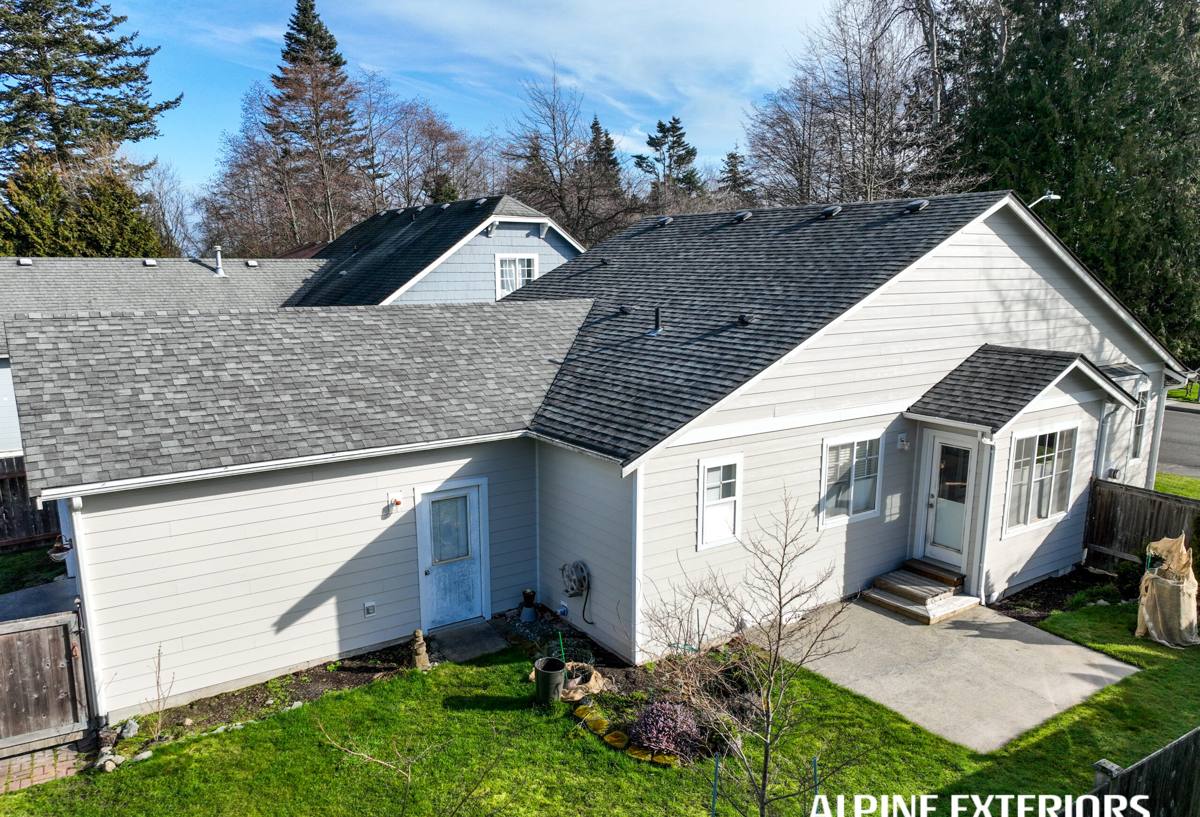
What Rainier Valley's Climate Does to Siding
Moisture That Doesn't Let Up
Western Washington doesn't get dramatic storms as much as it gets persistent, low-grade wet weather — weeks of drizzle and driving rain that keep exterior surfaces damp longer than materials in drier climates were ever designed to handle. Wood-based siding products, whether that's cedar, primed spruce, or engineered wood panels, rely on paint film and caulking to keep water out. Once that film is compromised at a seam, a fastener, or a cut edge, moisture gets in and often stays in, because the air around it rarely dries the wall out fast enough to matter.
Moss and Salt-Tinged Air
Lots with mature tree cover — common in parts of Rainier Valley — stay shaded and damp on the north and west sides of the house for long stretches, which is exactly the environment moss and algae favor. Add in the salt-tinged air that reaches inland from the Sound on windy days, and you've got a combination that speeds up the breakdown of paint finishes and accelerates corrosion on lower-grade fasteners and trim. It's not a coastal-erosion level of exposure, but it's enough that "what worked in Spokane" doesn't necessarily hold up here.
Freeze-Thaw Cycling
King County doesn't see extended hard freezes most winters, but it does get enough cold snaps to matter. Wood and wood-composite siding that has already absorbed moisture is vulnerable when temperatures drop — trapped water expands, and that's when you start seeing cracking, splitting, and paint failure at the worst possible spots: seams, butt joints, and anywhere caulking has already started to fail.
Why We Only Install James Hardie Fiber Cement
We made a decision a while back to stop installing vinyl, LP SmartSide, primed spruce, cedar, and other fiber cement brands like Cemplank or Allura, and to install James Hardie exclusively. That's not a marketing angle — it's a standard we hold because of what we've seen play out on real houses in exactly this kind of climate.
- Fiber cement doesn't absorb water the way wood-based products do, which matters directly in a climate defined by sustained dampness rather than short, hard rain events.
- It's non-combustible, which matters more every year as wildfire smoke and regional fire risk become a bigger part of Pacific Northwest summers.
- Hardie's ColorPlus factory finish is baked on under controlled conditions, which holds up better against UV and moisture cycling than field-applied paint — fewer repaint cycles over the life of the siding.
- Hardie engineers specific product lines (HZ5, HZ10) for different climate zones, so the product going on a Rainier Valley home is built for Pacific Northwest humidity and rain exposure, not a generic national spec.
- The warranty is transferable and backed by a manufacturer with decades of fiber cement manufacturing behind it, which matters if you sell the house before the siding's functional life is up.
We're not going to tell you cedar looks bad or that vinyl is junk — both have real upsides, and plenty of houses in this neighborhood wear them fine for years. What we will tell you is that once you factor in this area's rain load, shade, and moss pressure, the maintenance burden and moisture risk of those alternatives is higher than we're willing to install and stand behind. Fiber cement is what we put on homes here, full stop.
How a Siding Project Runs in Rainier Valley
Every job starts with a walk-around, not a sales pitch. We're looking at what's actually happening behind the current siding — soft spots, water staining at trim and window returns, gaps at seams — because what's underneath drives the scope more than what's visible from the street.
Typical Process
- On-site inspection and honest assessment of current siding condition, including moisture checks at vulnerable points
- Written estimate covering material, labor, disposal of old siding, and any sheathing or trim repair identified
- Removal of existing siding and inspection of the sheathing and weather barrier underneath
- Repair of any rot or compromised sheathing before new siding goes on — this step gets skipped by corner-cutting crews and it's the single biggest cause of premature failure
- Installation of James Hardie panels or lap siding to manufacturer spec, including proper fastening, clearances, and flashing details
- Final walkthrough so you can see the work up close before we call it done
That sheathing check matters more in a climate like this one than it does in a dry region. If moisture has already worked its way behind old siding, putting new material over a compromised wall just hides the problem for another few years instead of solving it.
Beyond Siding: Roofing, Windows, and Decks
Siding doesn't work in isolation — it's one piece of an exterior envelope that also includes the roof, windows, and any exposed decking, and in a wet climate those systems all depend on each other. A roof that's shedding water improperly can drive moisture down behind siding at the eaves. Windows with failed flashing or worn seals let water track into wall cavities regardless of how good the siding itself is. Decks exposed to the same rain and moss pressure need materials and maintenance suited to the same conditions.
We handle all four because it lets us look at a house as one connected system instead of patching one component while ignoring how it interacts with the others. If a roofing issue is contributing to siding damage, we'll tell you that directly rather than just re-siding around it.
Cost Factors for Rainier Valley Homes
Every house is different, and any contractor who quotes a number before walking the property is guessing. That said, these are the variables that tend to move the price up or down on siding projects in this area:
| Factor | Why It Matters |
|---|---|
| Extent of existing water/rot damage | Sheathing repair adds labor and material beyond the siding itself, and it's common on older homes with a history of trapped moisture |
| Home size and wall complexity | More corners, dormers, and trim details mean more cutting, fitting, and labor time |
| Product line and profile | Hardie offers lap siding, panel siding, and shingle-style profiles at different price points, plus a range of ColorPlus finishes |
| Access and site conditions | Mature landscaping, sloped lots, and tight setbacks common in this neighborhood can affect staging and labor time |
| Tear-off vs. overlay | Full removal of old siding costs more upfront than overlay but is the only way to properly inspect and repair the sheathing underneath |
Signs Your Siding Needs Attention
Homeowners in this area tend to notice problems at similar points — usually after a wet winter has had time to work on a weak spot. Worth checking for:
- Soft or spongy spots when you press on the siding, especially near the bottom courses and around window trim
- Persistent moss or algae growth that keeps coming back after cleaning
- Paint that's peeling, bubbling, or chalking well ahead of a normal repaint cycle
- Visible gaps or separation at seams and butt joints
- Warping, cupping, or bowing panels, particularly on shaded walls
- Water stains or discoloration on interior walls near exterior corners — often a sign moisture has already gotten past the siding
None of these automatically means a full replacement. Sometimes it's a localized repair. But they're worth a look before another wet season adds to the damage.
Why a Local Crew Matters Here
A crew that works across King County day in and day out knows what Rainier Valley's mix of shade, moisture, and lot layout actually does to a house, and installs accordingly — correct clearances, proper flashing at grade, fastening patterns that account for this area's rain exposure. That's the kind of judgment that doesn't come from a spec sheet; it comes from having repaired the mistakes a rushed or out-of-area install leaves behind.
If you're ready to get a straight answer on what your siding needs, we're happy to take a look. The estimate is free, there's no pressure, and you'll get an honest assessment whether that means a full re-side or just a repair.