 King County
 Why Siding Repair Looks Different in Rainier Valley
Rainier Valley sits in a part of King County where tree cover, low-lying pockets near the water, and a long wet season combine to put steady pressure on exterior siding. Homes here deal with driving rain that gets pushed sideways into walls during winter storms, a moss season that can stretch across most of the year in shaded yards, and the general dampness that comes with living close to Puget Sound and Lake Washington. None of that is unique to one street or one style of home — it's a regional condition. But it means siding repair in this neighborhood isn't just about patching what's broken. It's about understanding why it broke in the first place and making sure the repair doesn't fail again in twelve months.
A lot of siding repair calls we get in this area aren't emergencies. They're small problems — a cracked panel, a soft spot near a downspout, a section that's gone dark with moss — that have been sitting for a season or two. Left alone, small problems in this climate compound fast, because moisture doesn't just sit on the surface here, it works its way behind the cladding if there's any gap at all.
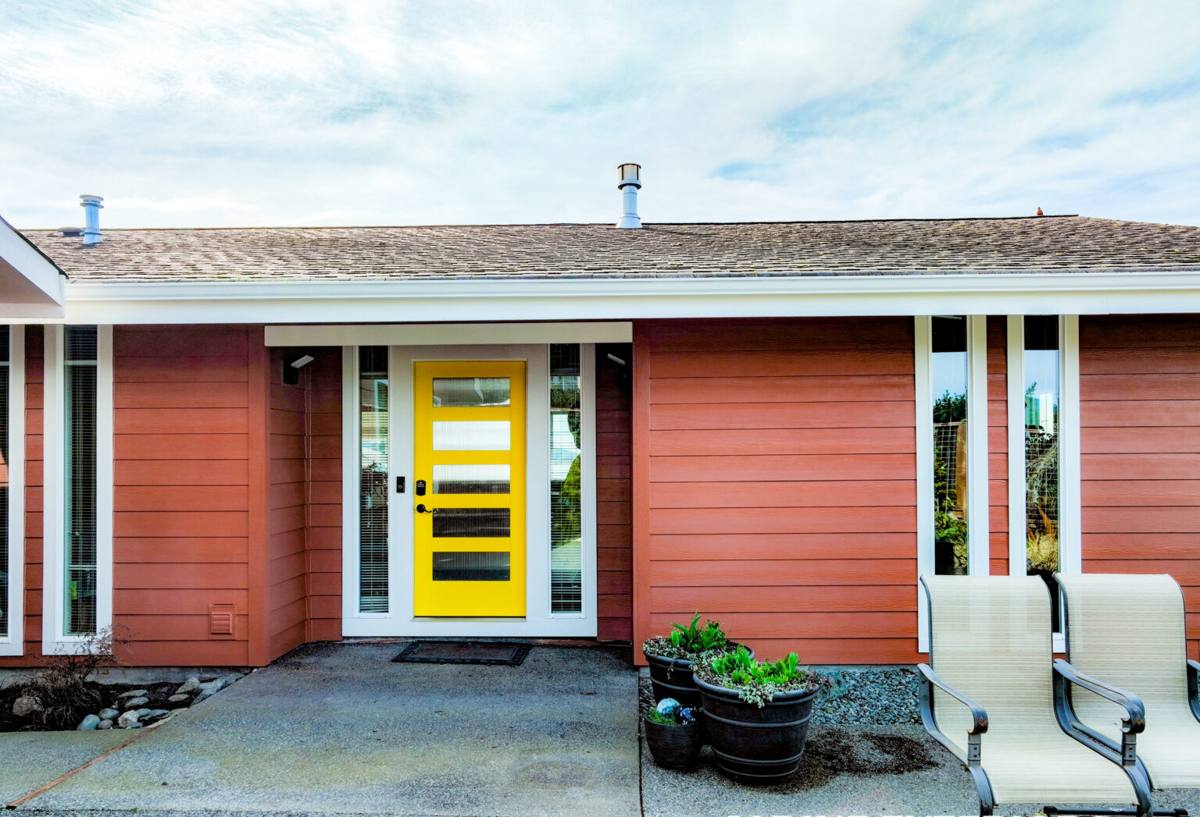
Signs Your Siding Needs Repair, Not Replacement
Most homeowners can spot the obvious stuff — a cracked board, a piece knocked loose by a falling branch. The harder calls are the ones that look minor from the ground but point to something bigger underneath. Here's what we actually look for on a repair inspection:
- Soft or spongy siding when pressed, especially near the bottom courses or around windows
- Persistent dark green or black staining that comes back within weeks of cleaning
- Paint that's bubbling, peeling, or failing in the same spot repeatedly
- Gaps or separation at seams, corners, or where siding meets trim
- Warping or bowing panels, particularly on walls that get the most driving rain
- Visible rot or staining on the trim boards around the siding, even if the siding itself looks fine
Any one of these can be a straightforward, contained repair. Several of them together, especially if they show up on more than one wall, usually means water has been getting behind the siding for a while and the repair needs to start with finding out how it got in — not just replacing what's visibly damaged.
Water Behind the Siding Is the Real Problem
Siding is a system, not a single layer. Behind the visible panels there's a weather-resistive barrier, flashing at windows and penetrations, and a drainage plane that's supposed to let any water that does get in find its way back out. When siding fails in King County's climate, it's rarely because the material itself just wore out — it's because water found a way behind it and that water had nowhere to go. A repair that only addresses the surface and ignores what's happening behind it is a repair that will need to be redone.
What a Correct Siding Repair Actually Involves
A repair done right starts with removing more than just the damaged piece. We pull back enough surrounding siding to see the condition of the sheathing and weather barrier underneath, check the flashing at any nearby windows or penetrations, and confirm there isn't hidden rot spreading past what's visible. Only after that do we talk about matching materials and putting things back together.
- Diagnose the moisture path — where water is getting in, not just where it shows
- Remove damaged material back to solid, dry substrate
- Repair or replace compromised sheathing, framing, or weather barrier as needed
- Correct or replace failed flashing at windows, trim, and penetrations
- Install new material that matches the existing siding's profile, reveal, and finish
- Seal and finish transitions so the repaired section sheds water the same way the rest of the wall does
Skipping any of those steps is how you end up with a repair that looks fine for a season and then fails again in the same spot — a pattern we see often enough on older homes in this part of King County that we won't shortcut it just to make a repair cheaper.
Repair vs. Replacement: How We Decide
Not every damaged section needs a full re-side, and we don't push replacement when a repair will genuinely hold up. The honest answer depends on how much of the wall is affected and what's causing the damage.
| Factor | Points Toward Repair | Points Toward Replacement |
|---|---|---|
| Extent of damage | Isolated to one or two sections | Spread across multiple walls |
| Underlying sheathing | Dry, solid where exposed | Soft, rotted, or damp in multiple spots |
| Age of existing siding | Recently installed, otherwise sound | Original siding nearing or past expected service life |
| Cause of damage | One-time event (impact, isolated flashing failure) | Systemic moisture intrusion or chronic moss/mildew |
| Material match | Matching material still available | Discontinued profile or color, poor match likely |
When the damage is contained and the wall assembly behind it is sound, repair is the right call — it's less disruptive and less expensive, and there's no reason to replace siding that's doing its job. When we find the same problem in several places, or the material match is going to leave a visibly patched wall, we'll tell you that plainly and explain why replacement is the better long-term investment. If replacement is the right answer, we install James Hardie fiber cement — it's the only siding product we put on homes, for reasons we're happy to walk through, and it holds up to this region's wet-and-shaded conditions better than the materials it's replacing in most cases we see.
Our Repair Process
Every repair starts with a real inspection, not a quick look from the driveway. We walk the affected area, check moisture levels where we can, and look at how water moves across that specific wall — where it hits hardest, where it pools, where gutters or grading might be making things worse. From there:
- We show you exactly what we found, including anything hidden behind the visible damage
- We give you a clear repair plan and a straightforward cost range before any work starts
- We remove and replace only what needs it, matching existing material as closely as possible
- We correct any flashing or moisture-path issues that caused the original damage
- We do a final check to confirm the repair sheds water correctly under the next round of rain
If a repair uncovers something bigger — a section of sheathing that's more compromised than expected, or damage that points to a wider problem — we stop and talk it through with you before moving forward. No surprise scope changes buried in an invoice.
Moss, Moisture, and Maintenance Between Repairs
A lot of what shortens siding life in Rainier Valley and the surrounding parts of King County isn't a single failure — it's slow, steady moisture exposure that never fully dries out between storms. Moss and mildew growth on shaded walls hold water against the siding surface, and over a long moss season that constant dampness works into seams, fastener holes, and any spot where the finish has worn thin. Keeping siding clean, keeping gutters clear so water isn't dumping down the wall, and keeping vegetation trimmed back from the house all reduce how often repairs are needed in the first place. None of that replaces a proper repair when damage does show up, but it buys time between them.
Why Local Experience Matters for This Work
Siding repair done from a generic playbook doesn't account for the specifics of a given neighborhood's exposure. A crew that regularly works in Rainier Valley and the surrounding King County area already knows which wall orientations take the worst of the driving rain, how fast moss reestablishes itself in the shadier lots, and what the moisture patterns typically look like on homes of a certain age and construction type in this part of the county. That local pattern recognition speeds up an accurate diagnosis and helps avoid both under-scoping a repair and overselling one.
What We Repair With
We do not install LP SmartSide, vinyl, Cemplank, Allura, or unprimed wood siding, and when a repair calls for new material on an existing James Hardie installation, we match it with Hardie product to keep the wall performing as one system. If your home currently has a different siding brand and the damage is limited, we'll still repair it honestly with appropriate materials — a repair's job is to fix the problem in front of us, not to force a product switch mid-repair. But when the conversation turns to a larger repair or a full re-side, we'll explain why James Hardie fiber cement is what we recommend: it's non-combustible, holds its ColorPlus factory finish far longer than field-applied paint, and its HZ product lines are engineered for the kind of sustained moisture exposure that's normal in this climate.
Questions Worth Asking Before You Hire Anyone for Siding Repair
- Will you show me what's happening behind the damaged siding, not just patch the surface?
- Do you check flashing and moisture paths as part of the repair, or only replace what's visibly broken?
- Can you match my existing siding's profile and finish, or will the repair be visibly different?
- What's your plan if the repair uncovers more damage than expected?
- Do you work regularly in this neighborhood, and does that change how you approach the job?
If you're seeing warning signs on your siding — soft spots, recurring moss, gaps at the seams, or damage that keeps coming back — we're glad to take a look. We'll give you a straight answer about what's actually going on and what it will take to fix it, with a free, no-pressure estimate. There's a form below if you'd like to get started.