 King County
 Why We Only Install One Brand of Siding
Most siding contractors carry two or three product lines and let the homeowner pick based on price. We don't. Every exterior we install uses James Hardie fiber cement siding, full stop. That's not a manufacturer sponsorship or a marketing gimmick — it's a standard we set after years of tearing old siding off houses across King County and seeing, up close, which products held up to our climate and which ones didn't.
This page explains the reasoning in plain terms: what our climate does to siding over time, what separates James Hardie's product system from the alternatives, and why we decided it wasn't worth our name or your money to install anything else.
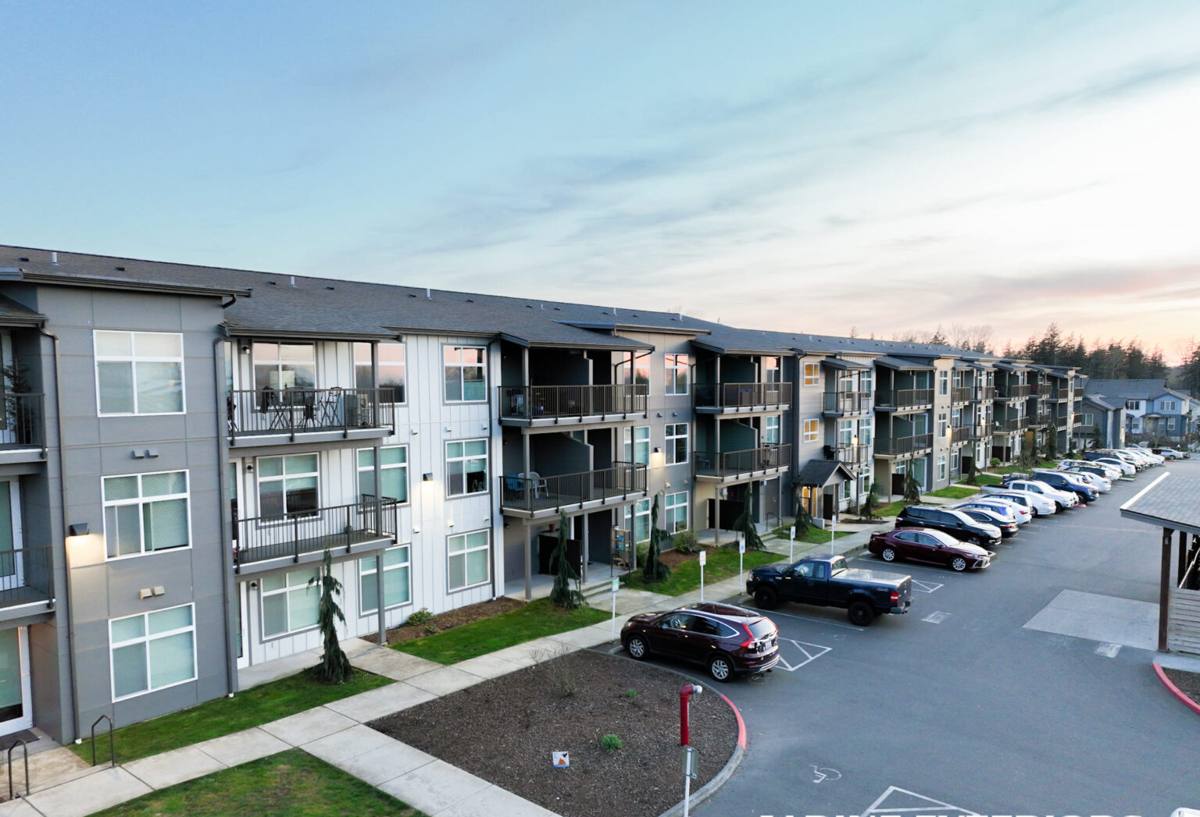
What King County's Climate Actually Does to a Wall
Siding on the West Coast doesn't fail the way it does in drier climates. Around Puget Sound, three things work against a home's exterior at the same time, year-round.
Salt Air Near the Sound
Homes closer to the water — and even several miles inland, depending on wind patterns — deal with salt-laden air that accelerates corrosion on fasteners, trim metal, and any material with exposed seams. Salt exposure doesn't just affect coastal properties in a general sense; it shows up as pitting on hardware and premature fading on painted surfaces long before the siding itself would otherwise need attention.
Driving Rain
King County doesn't get the heaviest rainfall totals in the state, but it gets a lot of wind-driven rain — storms that push water sideways into laps, seams, and butt joints instead of letting it run straight down. That's a very different stress test than vertical rainfall, and it's exactly the condition that exposes weak seams, poor caulking, and materials that swell when wet.
A Long Moss and Mildew Season
Between the rain and the mild temperatures, this region has an extended moss, algae, and mildew season compared to almost anywhere else in the country. Anything organic on a wall system — wood fiber, untreated cellulose, or a coating that doesn't resist biological growth — is going to fight that battle for its entire service life.
Put those three together and you get a climate that punishes siding materials that depend on perfect caulking, perfect paint maintenance, or moisture-sensitive cores. That's the filter we run every product through before we'll put it on a customer's home.
What "James Hardie Only" Actually Means
James Hardie makes fiber cement siding — a blend of cement, sand, and cellulose fibers, engineered and pressed into planks, panels, and shingles, then baked. It is non-combustible, dimensionally stable (it doesn't expand and contract with moisture the way wood-based products do), and it's manufactured with climate-specific formulations.
The HZ5 Distinction
Hardie's HZ5 product line is engineered specifically for climates with freeze-thaw cycles and sustained moisture exposure — which describes the Pacific Northwest well. It's a different formulation than the HZ10 line built for hot, humid Southern climates. We install HZ5 because it's built for the weather this region actually produces, not a generic national product.
Product Lines We Work With
- HardiePlank lap siding — the most common product, available in several exposure widths and textures (smooth, cedarmill)
- HardiePanel vertical siding — used for board-and-batten looks and modern facades
- HardieShingle siding — staggered or straight-edge panels that mimic a cedar shingle look without the maintenance
- HardieTrim — matching trim boards so the whole exterior system, not just the field siding, is fiber cement
What We Don't Install, and Why
We get asked regularly about vinyl, LP SmartSide, cedar, primed spruce, and other fiber cement brands like Cemplank or Allura. Each of those products has legitimate uses and a real customer base — we're not claiming they're defective. We're explaining why they didn't make the cut for our crews.
| Product | What It Gets Right | Why We Don't Install It |
|---|---|---|
| Vinyl siding | Low upfront cost, no painting required | Can warp or become brittle in temperature swings; seams and J-channels are the weak point in driving rain; thinner profiles show waviness over time |
| LP SmartSide | Engineered wood, easier to cut and handle than fiber cement | Wood-strand core is more moisture-sensitive than fiber cement; edge sealing and caulking maintenance is critical and easy for owners to fall behind on in a wet climate |
| Cedar siding | Natural look, long regional tradition | Needs ongoing staining or sealing to resist our moss and mildew season; combustible; higher long-term maintenance cost even when installed well |
| Primed spruce / finger-joint boards | Lower material cost, familiar to trim carpenters | Primer is not a finish coat — owners must paint promptly and recoat on a schedule, or moisture gets into the wood at end grain and joints |
| Other fiber cement (Cemplank, Allura) | Same base material science as Hardie, competitive pricing | We standardized on one manufacturer's engineering, factory finish system, and warranty structure so every job we do is consistent and every crew is deeply trained on one product, not several |
Factory-Applied Finish vs. Field-Painted Siding
This is one of the most underrated differences between products, and it matters more here than almost anywhere in the country because of how much of the year our siding stays wet.
James Hardie's ColorPlus finish is baked on at the factory in a controlled environment, in multiple coats, before the boards ever reach a job site. That finish is backed by its own dedicated warranty against fading and peeling, separate from the substrate warranty. Field-painted products — whether that's cedar, primed spruce, or site-finished trim — depend entirely on the weather conditions on the day they're painted, the skill of the painter, and the homeowner's discipline in recoating on schedule. In a climate with this much rain and humidity, getting a good field-applied finish is harder, and a bad one fails faster.
Installation Is Where Products Actually Succeed or Fail
No siding product performs to its rating if it's installed wrong. Fiber cement in particular is unforgiving of shortcuts — gaps at joints, missing flashing, or fasteners driven at the wrong depth will cause problems no matter how good the material is. Since we only work with one product line, our crews aren't relearning installation details across three different manufacturers' specs on different jobs. Here's what correct installation involves on every job we run:
- Proper water-resistive barrier and rainscreen gap behind the siding, not direct-to-sheathing installation
- Correct flashing at every window, door, and roof-to-wall transition
- Minimum clearance from grade, decks, and roof lines per manufacturer spec
- Fasteners set to the correct depth — overdriven nails crack the board's factory finish and void warranty coverage
- Properly sized gaps at butt joints and trim, caulked with a product rated for the application
- Field-cut edges primed or sealed before installation, per Hardie's documented specs
Warranty Structure
James Hardie backs its siding products with a transferable limited warranty, and the ColorPlus factory finish carries its own separate coverage. Warranty terms and what's covered vary by product line, so we walk through the specific documentation for your project rather than quoting generic numbers here — but the structure itself is a big part of why we standardized on this manufacturer. One product line means one warranty framework our office actually understands cold, instead of tracking different terms, exclusions, and registration processes across several brands.
Cost: What Actually Drives the Number
We won't quote fake price ranges on an education page, but here's what actually moves the cost on a fiber cement project so you know what you're evaluating when you get quotes.
| Cost Factor | Why It Matters |
|---|---|
| Tear-off vs. new construction | Removing and disposing of old siding, and repairing sheathing damage found underneath, adds labor that's hard to estimate until the old siding is off |
| Home shape and cutting complexity | Dormers, bump-outs, and lots of corners increase waste and labor hours compared to a simple rectangular elevation |
| Product line and texture | Panel vs. lap vs. shingle profiles, and smooth vs. cedarmill texture, carry different material costs |
| Trim scope | Full HardieTrim window and corner packages cost more than reusing existing trim, but improve long-term water management |
| Access and site conditions | Multi-story homes, tight lots, and limited staging area affect labor time independent of material choice |
Fiber cement generally carries a higher upfront material cost than vinyl and is comparable to or less than quality cedar installed and finished properly. Where it wins is total cost over the life of the siding, once you factor in a maintenance schedule that's largely limited to occasional washing rather than recoating or replacing failed boards.
What This Means for Your Home
Standardizing on one manufacturer isn't about limiting your options — it's about only offering an option we can stand behind after installing it on homes throughout King County, in the specific weather this area produces. Salt air near the Sound, wind-driven rain, and a moss season that runs most of the year are exactly the conditions James Hardie's HZ5 product line and factory finish were engineered to handle. We'd rather explain why we don't carry certain products than sell you something we've watched underperform.
If you're planning a siding replacement or new build and want to see what a James Hardie system looks like on your specific home, we're glad to walk the exterior with you and put together a free, no-pressure estimate.