 King County
 Ask five contractors what siding replacement costs and you'll get five different numbers, often with no explanation of why they differ. That's not because the industry is dishonest — it's because siding pricing depends on a long list of variables that most homeowners never see broken out. This guide walks through what actually drives the cost of a siding replacement in King County, so you can read a bid and understand what you're paying for instead of just comparing bottom-line numbers.
Why Siding Estimates Vary So Much
Two bids for the same house can differ by thousands of dollars and both be "fair" — they're just pricing different scopes of work. The biggest swing factor isn't the siding material itself; it's what's happening underneath it. A house with sound sheathing and no hidden rot is a straightforward tear-off and install. A house that's been holding moisture behind old siding for years — which is common here given how much of the year King County spends under steady rain — can turn into a much bigger job once the old siding comes off and the sheathing is exposed.
Other variables that move the number: how many stories the house has, how much trim and detail work is involved (dormers, bay windows, multiple roof pitches), whether the existing siding needs to be removed and disposed of or can be sided over, and how accessible the site is for scaffolding and material staging.
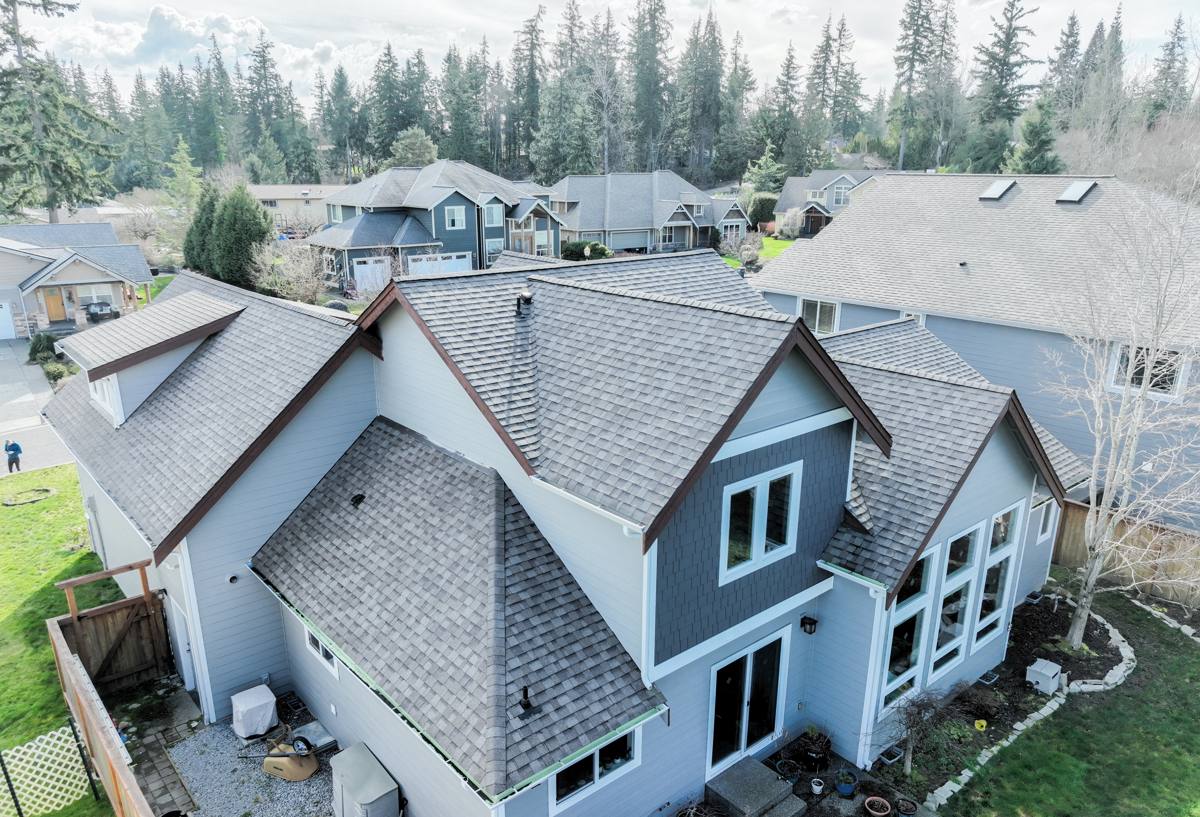
The Real Cost Drivers, In Order
1. Substrate Condition
This is the one homeowners underestimate most. If a contractor pulls off old siding and finds soft, water-damaged sheathing or framing, that repair work gets added to the job — and it should. Sealing new siding over rotten sheathing just hides the problem for a few more years. A contractor who never finds hidden damage on any job, or who never mentions the possibility during the estimate, isn't looking closely enough.
2. House Size and Complexity
Square footage sets the baseline, but complexity multiplies it. A simple rectangular ranch sides faster and cheaper per square foot than a house with lots of corners, gables, and window trim. Two-story and three-story homes also cost more per square foot because of the added scaffolding, staging, and labor time.
3. Material Choice
This is where a lot of homeowners get steered wrong. Vinyl is the cheapest material up front. Engineered wood products like LP SmartSide sit in the middle. Fiber cement — what we install exclusively — costs more than vinyl at installation but is priced to last decades with minimal upkeep, not to be replaced again in 12-15 years. We'll get into why that matters below.
4. Moisture Management Details
A correct siding install isn't just nailing panels to a wall. It includes weather-resistant barrier, properly lapped and taped seams, flashing at every window and door, and rainscreen or drainage gaps where the assembly calls for it. These details take real labor time and materials, and they're exactly what separates a siding job that lasts 30+ years from one that fails at year 10. Skipping them is how a bid gets artificially cheap.
5. Labor Market and Timing
Like most trades in the greater Seattle area, siding labor costs reflect regional wage rates and demand. Spring and summer are the busiest install season here, so scheduling further out or booking in the shoulder seasons can sometimes work in your favor on price and timeline.
What Drives Cost: A Quick Reference
| Factor | Low-Cost End | High-Cost End |
|---|---|---|
| Substrate condition | Sound sheathing, no repairs | Rot or water damage requiring sheathing/framing repair |
| House shape | Simple rectangular footprint | Multiple gables, dormers, bay windows |
| Stories | Single story | Two or three stories (added scaffolding/labor) |
| Material | Vinyl | Fiber cement with factory finish |
| Trim and detail work | Minimal trim, standard windows | Extensive trim, custom window and door surrounds |
| Access | Open lot, easy staging | Tight urban lot, limited equipment access |
Why We Only Install James Hardie Fiber Cement
We get asked regularly why we don't offer vinyl or engineered wood as a lower-cost option. The honest answer is that we've standardized on James Hardie fiber cement because of what King County's climate does to a house over time, and we don't want to sell a product we know will need to be revisited sooner than the homeowner expects.
Fiber cement is non-combustible, which matters more each year as wildfire smoke and ember exposure become a bigger part of Pacific Northwest summers. It doesn't absorb water the way engineered wood substrates can, which is a real consideration given how much sustained, driving rain this region sees for months at a stretch. And Hardie's ColorPlus factory finish is baked on under controlled conditions rather than field-painted, which means better UV and moisture resistance over the life of the siding and less repainting for the homeowner down the road.
None of this means other products are junk — vinyl and engineered wood both have a place in the market and plenty of manufacturers stand behind them. It means that after years of installing and repairing siding in this specific climate, fiber cement is the product we're willing to warranty our workmanship against and the one we'd put on our own homes.
How to Read a Siding Bid Without Getting Fooled
The lowest number on paper is often the lowest scope, not the lowest price for the same job. Before comparing bids side by side, check that each one actually includes the same things.
- Is tear-off and disposal of the old siding included, or billed separately?
- Does the bid specify a weather-resistant barrier and flashing details, or just say "siding install"?
- Is there a stated allowance or process for sheathing repair if rot is found once the old siding is off?
- Does the estimate name the specific product line (e.g., HardiePlank HZ10 vs. a generic "fiber cement" line item)?
- Is the manufacturer's product warranty separate from the contractor's workmanship warranty, and are both explained?
- Does the bid account for the house's actual stories and complexity, or use a flat per-square-foot number regardless of layout?
- Are permits included, and does the contractor confirm what King County or your local jurisdiction requires?
The Cost of Waiting
Siding failure is rarely dramatic — it's slow. A cracked caulk joint, a section of trim that's started to feel soft, moss holding moisture against a north-facing wall through the long gray season we get here. None of those look urgent, but they're all doorways for water to get behind the siding and start working on the sheathing where you can't see it. The cost of replacing siding proactively is almost always lower than the cost of replacing siding plus repairing water damage that was allowed to sit for a few extra years. If you're seeing warning signs — soft spots, visible gaps, paint that won't hold, or siding that's simply reached the end of its expected life — it's worth getting an honest assessment before winter's rain season sets in again.
Budgeting Realistically
Rather than quote a single number that won't apply to most houses, the more useful approach is to think in ranges tied to the factors above. A straightforward single-story home with sound sheathing will land toward the lower end of what fiber cement replacement costs in this market. A larger, multi-story home with trim detail, moisture-related repairs, or difficult site access will land higher. The only way to get a number that actually applies to your house is a walk-through and a real look at the substrate — which is exactly what a proper estimate should include, not a phone quote based on square footage alone.
Financing and Timing Considerations
Many homeowners spread the cost of a full siding replacement across financing options, and most reputable contractors can point you toward financing partners even if they don't lend directly. Timing your project for the shoulder seasons — late winter into early spring, before the summer rush — can sometimes mean more flexibility on scheduling and pricing. Whatever the timing, get bids from more than one contractor, make sure they're licensed and insured for exterior work in Washington, and ask each one directly how they handle hidden damage if it's found once tear-off begins.
If you're trying to figure out what a siding replacement would actually cost for your specific home, we're happy to take a look and give you a straight answer — no pressure, no inflated first number designed to get negotiated down. Request a free estimate below and we'll walk the property with you.