 King County
 What Rainier Valley's Weather Does to Old Siding
Homes in Rainier Valley and across King County live under the same weather pattern most of the Puget Sound region deals with: long stretches of driving rain from fall through spring, humid marine air that never fully dries out the wood framing behind old siding, and a moss and algae season that can run eight months or longer on shaded, north-facing walls. None of that is dramatic on any single day. It's the accumulation — years of moisture cycling in and out of siding that was never built to handle it — that quietly wrecks a home's exterior.
Wood, engineered wood, and vinyl siding all respond to that cycle differently, but none of them respond well over the long haul. Wood and OSB-based products swell, delaminate at the seams, and eventually let moisture into the sheathing. Vinyl doesn't rot, but it doesn't stop water either — it just moves it behind the panel, where the real damage happens out of sight. By the time a homeowner notices soft trim, bubbling paint, or a musty smell near an exterior wall, the problem has usually been building for years.
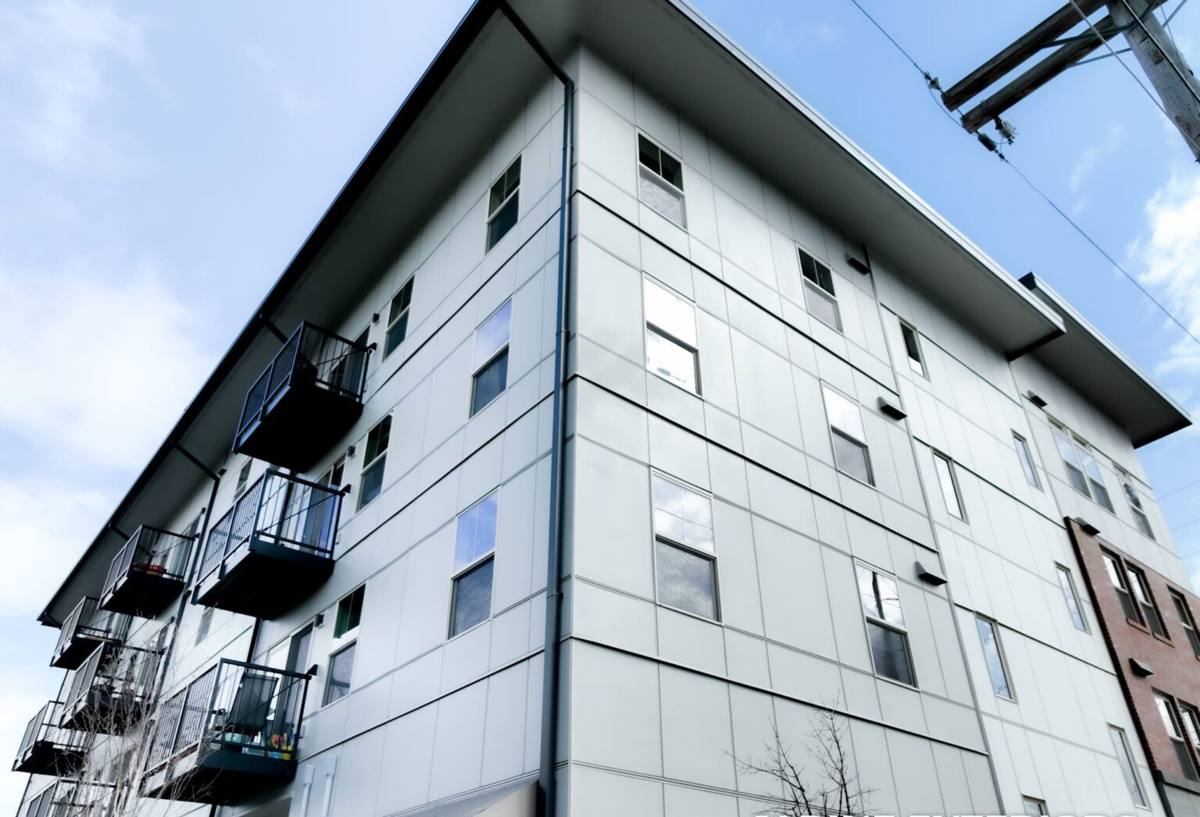
Signs a Rainier Valley Home Needs Siding Replacement
Not every siding problem means a full replacement, but in a climate this wet, small issues rarely stay small. Homeowners in the area should take these seriously rather than patching around them:
- Panels or boards that feel soft, spongy, or crumble at the edges when pressed
- Persistent moss, algae, or dark streaking that comes back within weeks of cleaning
- Paint that's peeling, bubbling, or failing faster than the last time it was painted
- Visible gaps, warping, or buckling at seams and corners
- Musty odors or discoloration on interior walls that back up to exterior siding
- Siding that's simply past its realistic service life for its material type
Any one of these on its own might just need a repair. Several together, especially on a home that hasn't had its siding touched in fifteen-plus years, usually means the underlying material has reached the end of what it can handle in this climate.
What a Correct Siding Replacement Actually Involves
Tear-Off and What's Underneath
A siding replacement isn't just swapping the outer layer — it's the one chance to see and fix what's behind it. Full tear-off exposes the sheathing, framing, and weather-resistive barrier so we can check for rot, soft spots, or moisture damage that's been hidden for years. In a region with as much sustained rain as King County gets, skipping this step and re-siding over a compromised wall just locks the problem in for another decade.
Weather-Resistive Barrier and Flashing
This is where most siding failures actually start, and it's the part homeowners never see once the job is done. A correctly lapped weather-resistive barrier, properly flashed windows and doors, and correctly integrated kick-out flashing at rooflines are what keep water moving down and away from the wall assembly instead of pooling behind it. Rushed installs skip or shortcut this stage constantly — it's invisible once the siding goes up, which is exactly why it matters that the crew doing it isn't cutting corners.
Installing to James Hardie's Specification
James Hardie fiber cement has clear installation requirements — proper clearance from grade and roofing, correct fastener spacing and type, minimum overlaps, and specific gaps at butt joints and trim. Installed to spec, it performs the way it's engineered to. Installed loosely, with shortcuts on flashing or clearance, even the best siding material on the market can trap moisture and fail early. The product is only as good as the install.
Why This Company Installs Only James Hardie
We don't install vinyl, LP SmartSide, primed spruce, cedar, or other fiber cement brands, and that's a deliberate standard, not a lack of options. Vinyl doesn't rot, but it expands and contracts with temperature swings, can crack in impacts, and offers limited color permanence over time — fine in some climates, a weaker fit for a region with this much sustained moisture exposure. Engineered wood products and primed wood siding depend heavily on paint film integrity and perfect installation to keep water out of the wood substrate; once that film fails, moisture gets in fast, and it's a bigger risk in a climate that rarely gives siding a long dry stretch to recover.
James Hardie fiber cement is non-combustible, dimensionally stable in wet-dry cycling, and comes with a factory-applied ColorPlus finish that's baked on rather than site-painted — which matters in a region where site-applied paint jobs fight rain delays and humidity during the curing window. Hardie also builds region-specific HZ formulations engineered for climates like the Pacific Northwest's. We standardized on it because it's the product we trust to actually perform here, not just look good on installation day.
James Hardie Product Lines: Which Fits a Rainier Valley Home
| Product | Best Use | Why It Fits This Climate |
|---|---|---|
| HardiePlank lap siding | Most single-family homes | Classic horizontal profile with strong water-shedding lap design; the most common replacement choice in the area |
| HardiePanel vertical siding | Modern facades, accent walls, gable ends | Clean vertical lines; pairs well with board-and-batten detailing |
| HardieShingle siding | Craftsman and traditional-style homes | Staggered or straight shingle look without the maintenance burden of real cedar shingles in a wet climate |
| HardieTrim boards | Corners, window and door trim, fascia | Matches siding durability so trim doesn't become the weak point that fails first |
The right choice usually comes down to the home's existing architecture and what will hold up best against the specific exposure of each wall — a shaded, moss-prone north wall doesn't necessarily need a different product, but it does need the same disciplined installation everywhere, not just on the walls that are easy to see from the street.
Our Process, Start to Finish
- Assessment — We walk the home, check the current siding and any visible trouble spots, and talk through what tear-off is likely to reveal.
- Estimate — A clear, itemized quote covering material, tear-off, sheathing repair allowances, and installation — no vague lump-sum guessing.
- Tear-off and inspection — Old siding comes off, sheathing and framing get inspected, and any rot or damage is addressed before anything new goes up.
- Weather barrier and flashing — Properly lapped barrier, correct window and door flashing, and roofline integration done to code and to Hardie's spec.
- Hardie installation — Siding installed with correct fastening, clearances, and joint treatment, followed by trim and detail work.
- Final walkthrough — We review the finished work with the homeowner before calling the job done.
What Drives Cost on a Rainier Valley Siding Job
| Factor | Why It Matters |
|---|---|
| Home size and wall complexity | More square footage, corners, and roof intersections mean more material and labor time |
| Condition of the sheathing underneath | Rot or moisture damage found during tear-off adds repair scope before new siding can go on |
| Product line chosen | Lap, panel, shingle, and trim products carry different material costs |
| Existing siding material | Some materials are more labor-intensive to remove and dispose of than others |
| Trim and detail work | Additional trim, fascia replacement, or architectural detailing adds time and material |
Every home is different, and the only way to get real numbers instead of a rough range is a walk-through. We'd rather give a homeowner an honest, itemized estimate than a lowball number that turns into surprise charges once tear-off starts.
What to Look for in a Local Siding Contractor
King County has no shortage of contractors who'll quote a siding job. Far fewer of them actually specialize in it, carry proper licensing and insurance, and stand behind the work with a real warranty. Before hiring anyone for a project this significant, it's worth checking:
- Current WA state contractor license and active liability insurance
- Experience specifically with fiber cement installation, not just general remodeling
- A written, itemized estimate — not a vague verbal number
- Willingness to explain what tear-off is likely to reveal and how they'll handle it
- A clear warranty on both materials and labor
- References or a track record working on homes in the local area
A crew that already works in Rainier Valley and the surrounding King County neighborhoods has a practical advantage: they've seen how homes in this specific climate age, they know what tear-off tends to reveal on wood-sided homes of a certain vintage, and they're not learning the region's weather patterns on your project.
If your siding is showing its age or you're just planning ahead, we'll walk your home, give you a straight answer about what shape it's in, and put together a free, no-pressure estimate for a James Hardie siding replacement built for what this climate actually demands.