 King County
 Roof Repair in Rainier Valley: Built Around This Neighborhood's Climate
Rainier Valley roofs take a specific kind of beating. The mix of driving rain off Puget Sound, damp marine air, and shade from mature trees creates near-perfect conditions for moss, algae, and slow-moving leaks that homeowners often don't notice until water is already inside the attic. Roof repair here isn't just patching a hole — it's understanding how King County's wet season interacts with the specific roof types common in this part of Seattle, and fixing the problem in a way that holds up through the next ten wet seasons, not just the next dry week.
We work on roofs throughout Rainier Valley regularly, which means we're not guessing at what's causing a leak or where moss tends to build up fastest. This page walks through what actually causes roof damage in this area, what a correct repair looks like, and what to expect if you call us out for an estimate.
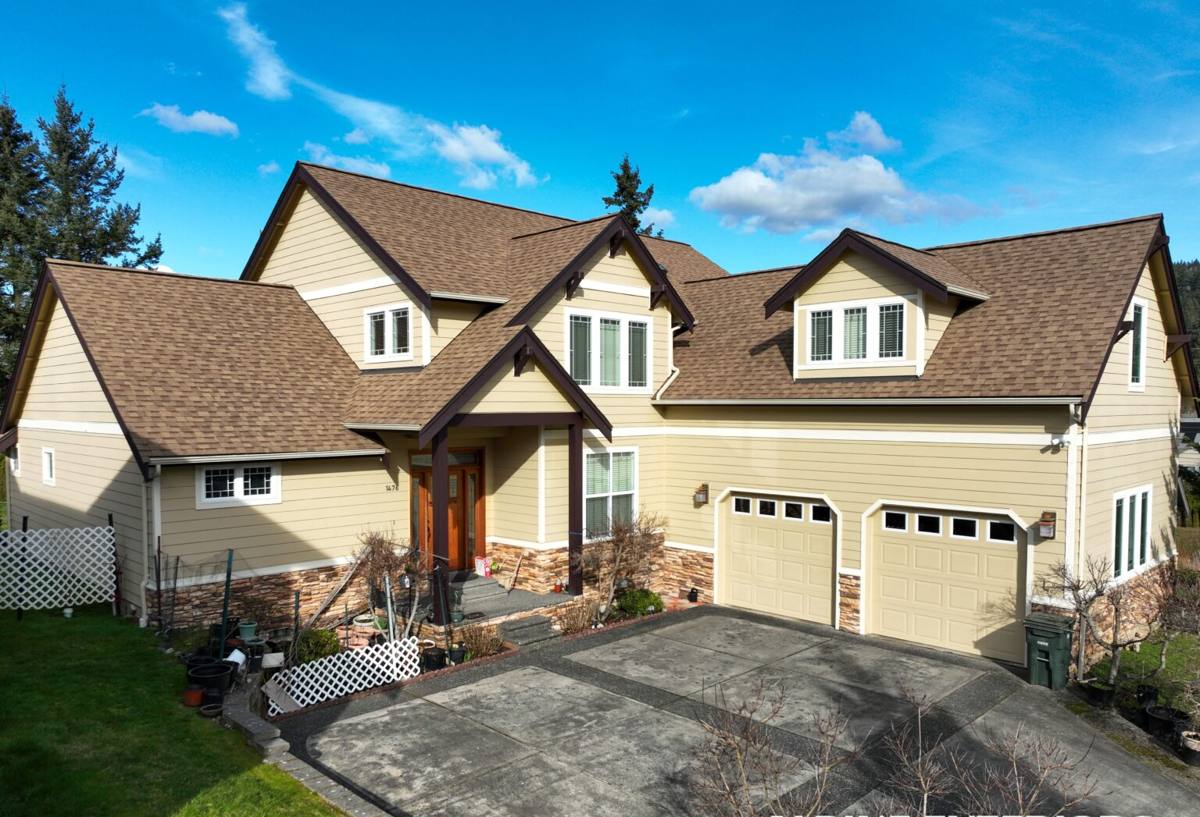
Why King County's Climate Is Hard on Roofs
Western Washington doesn't get the hail or wind events that damage roofs in other parts of the country. Instead, the damage here is slower and easier to miss:
Moss and Organic Growth
King County's long, mild, wet stretches from fall through spring give moss and moss-adjacent algae months at a time to establish themselves, especially on north-facing slopes and anywhere shaded by trees. Moss doesn't just sit on top of shingles — it holds moisture against the roofing material and works its way under shingle tabs and around granules, lifting edges and creating small gaps that eventually let water through.
Driving Rain and Wind-Driven Moisture
Rain in this region rarely falls straight down. Storms moving in off the Sound push rain sideways, which means water finds its way into spots a roof designed only for vertical rainfall wouldn't need to worry about — under flashing laps, around chimneys, and along valleys where two roof planes meet.
Salt and Marine Air
Homes closer to the water deal with a steady dose of salt-laden air, which accelerates corrosion on exposed metal flashing, nails, and fasteners. Corroded flashing is one of the most common hidden causes of a "mystery leak" — the shingles look fine, but the metal underneath has quietly failed.
Signs a Rainier Valley Roof Needs Repair
Most roof problems here show up gradually. Homeowners usually notice one of these before they call:
- Dark streaking or visible moss patches, especially on shaded or north-facing slopes
- Granules collecting in gutters or at the base of downspouts
- A ceiling stain that appears after a heavy rain and then seems to dry up
- Shingles that look curled, lifted, or cracked at the edges
- Rusty streaks running down from flashing around a chimney or vent pipe
- Sagging or soft spots when walking near a valley or roof-to-wall junction
- A noticeable increase in moss regrowth just months after a cleaning
None of these guarantee a full roof replacement is needed. In a lot of cases, especially on roofs under 15–20 years old, the fix is targeted repair to the specific area that's failed, not a wholesale tear-off.
What a Correct Roof Repair Actually Involves
A repair that only addresses the visible symptom tends to come back. A repair done right in this climate typically includes a few extra steps that get skipped by contractors who aren't used to working in wet coastal climates:
Finding the Real Source
Water travels. A stain on a ceiling is often several feet from where water is actually entering the roof, so a proper repair starts by tracing the path — checking flashing, underlayment, and sheathing condition in the attic or roof deck before cutting into any shingles.
Addressing Moisture-Damaged Decking
If moss or a slow leak has been active long enough, the plywood or OSB decking underneath can be soft or delaminated. Patching shingles over damaged decking is a short-term fix — the decking needs to be dried out and, if compromised, replaced before new roofing material goes down.
Flashing and Fastener Condition
Given how much salt air and moisture cycling affects metal in this region, we check flashing and exposed fasteners as part of any repair, not just the shingles themselves. Replacing shingles around corroded flashing without addressing the flashing just delays the same repair by a season or two.
Matching Materials
Where possible, we match existing shingle color and profile so a repair blends in rather than leaving an obvious patch. On older roofs where exact matches aren't available, we'll walk through the honest options rather than guessing.
Common Repair Types and What They Involve
| Repair Type | What's Typically Involved | Broad Cost Range |
|---|---|---|
| Flashing repair or replacement | Removing corroded or improperly lapped flashing around chimneys, vents, or valleys and re-installing with proper overlap and sealant | $300 – $900 |
| Localized shingle repair | Replacing a section of damaged, curled, or missing shingles and the underlayment beneath | $400 – $1,200 |
| Moss removal and treatment | Manual removal, gentle low-pressure cleaning, and application of a moss-inhibiting treatment | $300 – $800 |
| Deck repair with re-roofing | Replacing damaged sheathing before installing new roofing material over the repaired section | $800 – $2,500+ |
These are broad ranges meant to give a sense of scale, not a quote — actual pricing depends on roof pitch, access, material availability, and how much hidden damage is found once we're on the roof.
Our Process for Rainier Valley Roof Repairs
- Inspection. We look at the roof surface, attic or roof deck if accessible, flashing points, and gutters to find the actual source of the problem, not just the visible symptom.
- Honest assessment. We tell you whether it's a repair or whether the roof's overall condition means a repair would just be a stopgap. We're not going to sell you a full replacement when a targeted repair will hold.
- Written estimate. You get a clear scope of work and price range before anything starts.
- Repair work. Matching materials where possible, addressing flashing and decking as needed, and making sure the repaired area sheds water the same way the rest of the roof does.
- Cleanup and walkthrough. We clear debris and walk the work with you so you know exactly what was done.
Materials We Use and Why
Most Rainier Valley homes are roofed in asphalt composition shingles, and for good reason — they perform well in this climate when installed and maintained correctly, and replacement materials from major manufacturers like GAF, CertainTeed, and Owens Corning are widely available for repairs and matching. For repair work specifically, we favor:
Architectural (Dimensional) Shingles Over 3-Tab
Where a repair section needs new shingles and the roof's age allows it, architectural shingles offer better wind resistance and a thicker profile that sheds wind-driven rain more effectively than older 3-tab styles — a meaningful advantage given how much sideways rain this region gets.
Corrosion-Resistant Flashing
Given the marine air common throughout King County, we use flashing and fasteners rated for corrosion resistance rather than the bare minimum, since the cost difference is small compared to redoing the same repair in a few years once standard metal has rusted through.
Why We're Selective About Certain Roofing Systems
Some roofing products marketed as low-maintenance don't actually perform that way in a climate with this much sustained moisture and shade-driven moss growth — they can trap moisture differently than traditional systems or require installation precision that's easy to get wrong. That's a maintenance and moisture-behavior trade-off we're upfront about, not a claim that any specific product is defective; we simply hold to a standard of what we've seen perform reliably in Pacific Northwest conditions over time.
Why Local Experience in Rainier Valley Matters
Roof repair isn't one-size-fits-all across King County. A crew that regularly works Rainier Valley already knows which slopes tend to hold moss longest, how tree cover in different parts of the neighborhood affects roof shade and drying time, and what permitting or access considerations come up on the area's housing stock. That local familiarity means fewer surprises, a faster and more accurate estimate, and a repair that's built for how this specific neighborhood's climate behaves — not a generic approach copied from a drier region.
It also means faster response. A slow leak found on a Tuesday shouldn't have to wait two weeks for someone unfamiliar with the area to fit you into a route. Working locally lets us get eyes on a problem while it's still small.
Keeping a Repaired Roof in Good Shape
Once a repair is done, a little seasonal upkeep goes a long way in this climate:
- Keep gutters and downspouts clear so water isn't backing up under roof edges
- Trim back tree branches that keep sections of roof shaded and damp
- Have moss treated before it becomes visible growth, not after
- Schedule a roof check after any unusually heavy windstorm
- Watch for granule buildup in gutters as an early warning sign
If you're seeing signs of moss, a stain, or a flashing issue on a roof in Rainier Valley, we're happy to take a look and give you a straight answer about what it needs. Reach out for a free, no-pressure estimate using the form below.