 King County
 Windows Built for What Rainier Valley Weather Actually Does
Rainier Valley homes deal with a specific combination of weather stress that a lot of window products simply weren't designed for. Long stretches of driving rain, humid air that never fully dries out for months at a time, and a moss season that seems to start earlier every year all put pressure on the seals, frames, and glazing around every window in the house. Add in temperature swings between damp winter mornings and warm summer afternoons, and you've got a climate that will find every weak point in a window system eventually.
Energy-efficient windows aren't just about lowering a utility bill, though that's part of it. In King County's climate, a properly specified and correctly installed window is also your first line of defense against moisture intrusion, frame rot, and the slow mold and mildew growth that shows up around older or poorly sealed units. When we talk about "energy-efficient windows" for this neighborhood, we're really talking about a window and installation approach that handles heat loss, air infiltration, and water management together, because in this climate you can't solve one without the other.
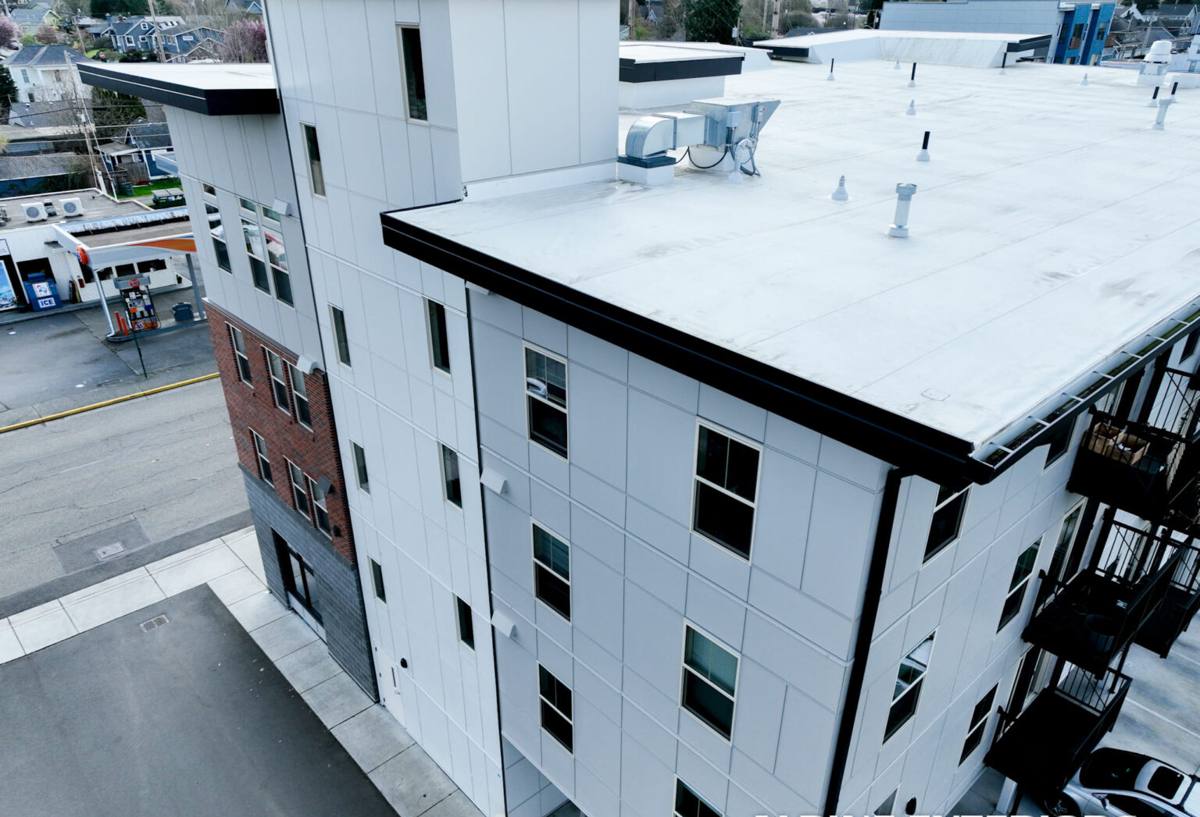
What "Energy-Efficient" Means in Practical Terms
Window efficiency ratings can get technical fast, but homeowners really only need to understand three numbers to make a good decision:
- U-factor — measures heat loss. Lower is better. This is the single most important number for our climate, since King County winters are about keeping heat in more than keeping heat out.
- SHGC (Solar Heat Gain Coefficient) — measures how much solar heat passes through the glass. Matters more on south- and west-facing windows that get direct sun.
- Air Leakage rating — measures how much air moves through the window assembly itself, separate from the glass. This is where a lot of drafts actually come from, and it's heavily dependent on installation quality, not just the product.
A window with excellent ratings on paper can still perform poorly if it's not installed with the right flashing, sealant, and shimming technique. That's the piece homeowners often don't see when they're comparing quotes, and it's where a lot of the real difference in long-term performance actually comes from.
Glazing and Frame Options Worth Understanding
Double-pane windows with low-E coating and argon gas fill are the practical baseline for this region — they handle our moderate winters without the added cost of triple-pane, which tends to make more sense in colder climates than we typically see here. Frame material matters just as much as the glass package:
| Frame Material | Moisture Performance | Maintenance | Typical Lifespan |
|---|---|---|---|
| Vinyl | Good — won't rot, resists moisture well | Low — occasional cleaning | 20–30 years |
| Fiberglass | Excellent — very stable in wet/dry cycles | Low | 30-40+ years |
| Wood / Wood-clad | Requires good detailing to manage moisture | Higher — periodic finish upkeep | Varies with maintenance |
| Aluminum (older stock) | Poor thermal performance, prone to condensation | Low, but performs poorly here | Often original to the home |
A lot of Rainier Valley homes still have original aluminum-frame single-pane windows from decades past. These conduct cold straight through the frame, which is why you'll often see condensation forming on the inside glass and sill during our wetter months — that's the window telling you it's not keeping pace with the climate anymore.
Problems We Commonly See on Rainier Valley Homes
Every neighborhood has its own patterns based on housing stock and exposure, and Rainier Valley is no exception. The issues we run into most often include:
- Condensation and fogging between panes on older double-pane units, meaning the seal has failed and the insulating gas has escaped.
- Soft or discolored trim and sills where water has been getting behind old caulk lines for years without anyone noticing.
- Moss and algae buildup on north-facing or shaded windowsills, which holds moisture against the frame far longer than a sunnier exposure would.
- Drafts around window frames on older homes, especially where original flashing has degraded or was never properly installed in the first place.
- Warped or swollen wood sashes on original wood windows that were never repainted or resealed on a regular schedule.
None of these are unusual for a home in this climate — they're the predictable result of years of driving rain and damp air finding the weak points. The good news is that almost all of them are preventable with the right product and the right installation detailing from the start.
What a Correct Window Installation Actually Involves
Replacing a window is not just pulling the old unit and setting a new one in the same opening. In a wet climate like ours, the installation sequence is what determines whether that window performs well for twenty years or starts leaking within five. A correct job includes:
- Removing the old window and inspecting the rough opening for hidden rot, soft framing, or prior water damage before anything new goes in.
- Repairing or replacing any compromised framing or sheathing — installing a new window over a damaged opening just traps the problem behind the new unit.
- Installing proper flashing at the sill and sides so that any water that does reach the opening is directed back out, not into the wall cavity.
- Setting the window level, plumb, and square, with correct shimming so the unit operates properly and seals evenly over time.
- Sealing with the appropriate exterior sealant and interior air sealing — both matter, and they serve different purposes.
- Reinstalling or replacing trim in a way that sheds water away from the window rather than channeling it toward the frame.
Skipping or rushing any one of these steps is how a brand-new, high-efficiency window ends up with the same moisture problems as the old one within a few seasons. This is also why we don't recommend products or installation shortcuts that trade long-term moisture performance for a lower upfront price — in this climate, that trade-off tends to show up as a callback within a few years, not a savings.
Our Process for Rainier Valley Window Projects
We keep the process straightforward and focused on getting the details right, not just the sale:
1. On-Site Assessment
We look at your existing windows, the condition of the surrounding framing and trim, sun exposure on each elevation, and any specific trouble spots you've noticed — drafts, condensation, sticking sashes, or visible moisture damage.
2. Product Recommendation
We walk through frame material and glazing options based on your home's exposure, budget, and how long you plan to stay in the house. We're honest about trade-offs rather than steering everyone toward the same product.
3. Installation
Our crew follows the same sequence on every job — inspect the opening, address any hidden damage, flash correctly, set the window, and seal both inside and out. We don't shortcut the flashing step, even when it adds time to the job, because it's the part that determines whether water stays out.
4. Cleanup and Walkthrough
We clear debris, clean the new windows, and walk the job with you so you know how to operate and maintain the new units.
Cost Factors to Understand Before You Get Quotes
Window replacement costs vary widely based on several factors, and understanding them helps you compare quotes accurately rather than just comparing bottom-line numbers:
| Factor | Why It Affects Price |
|---|---|
| Frame material | Vinyl is typically the most budget-friendly; fiberglass and wood-clad cost more upfront but offer different lifespan and appearance trade-offs |
| Window size and configuration | Larger openings, custom shapes, and multi-panel units cost more than standard single or double-hung sizes |
| Condition of the existing opening | Hidden rot or framing damage found during removal adds repair cost, but skipping this repair causes bigger problems later |
| Number of windows and access | Second-story or hard-to-access windows take more labor time than ground-floor units |
| Glazing package | Low-E coatings, argon fill, and impact or sound-dampening glass options each add incrementally to material cost |
Broadly speaking, standard vinyl replacement windows tend to run from a modest per-window cost for basic units up into a much higher range for larger, higher-performance, or custom configurations. We'll give you specific numbers based on your actual windows and home, not a generic estimate, since the variables above make a real difference project to project.
Why a Crew That Already Works Rainier Valley Matters
Window installation quality depends heavily on understanding how a specific climate behaves against a specific type of housing stock. A crew that regularly works in Rainier Valley and the broader King County area already knows what original window and framing conditions tend to look like in homes of this vintage, which exposures see the most moss and moisture buildup, and which flashing details actually hold up against a full Puget Sound wet season rather than just passing a one-time inspection.
That local experience shows up in small decisions during a job — how much attention to put into a north-facing opening versus a sheltered one, what to look for when opening up an older wall around a window, and which sealant and flashing products perform reliably through repeated wet-dry cycles rather than just looking good on install day. It's the difference between a window that's installed correctly on paper and one that's installed correctly for this specific climate.
Keeping New Windows Performing Long-Term
A well-installed energy-efficient window needs very little upkeep, but a small amount of regular attention goes a long way in this climate:
- Clean debris and moss buildup out of window tracks and sills, especially on shaded or north-facing windows.
- Check exterior caulk lines annually for cracking or gaps, particularly after a harsh winter.
- Wipe down interior sills during the wettest months if you notice any condensation forming.
- Operate each window a few times a year, even ones you rarely open, to keep hardware and seals functioning properly.
- Have any soft trim, discoloration, or new drafts checked promptly rather than waiting — small moisture issues are far cheaper to address early.
If you're dealing with drafty, foggy, or aging windows and want a straightforward, no-pressure look at what it would take to fix them right, we're happy to come take a look. Use the form below to request a free estimate, and we'll walk your home's specific windows and exposures with you before recommending anything.