 King County
 Composite Decking in Capitol Hill: Built for This Climate, Not Just Any Climate
Capitol Hill decks live a hard life. Between the Puget Sound marine air drifting in off the water, the long stretch of driving rain we get from October through May, and a moss season that seems to start earlier every year, an outdoor deck here takes on more punishment than the same structure would in a drier inland climate. Composite decking has become the go-to answer for homeowners who are tired of the annual sanding-staining-sealing cycle that wood decks demand, but "composite" is not a single product with one set of rules. The board you choose, how it's fastened, and how the substructure underneath is built all determine whether that deck looks good in year twelve or starts showing problems by year four.
We work on decks throughout King County, and Capitol Hill's mix of older homes with steep, narrow lots and newer builds with rooftop and elevated decks gives us a good feel for what actually holds up in this specific neighborhood versus what just looks good on a spec sheet.
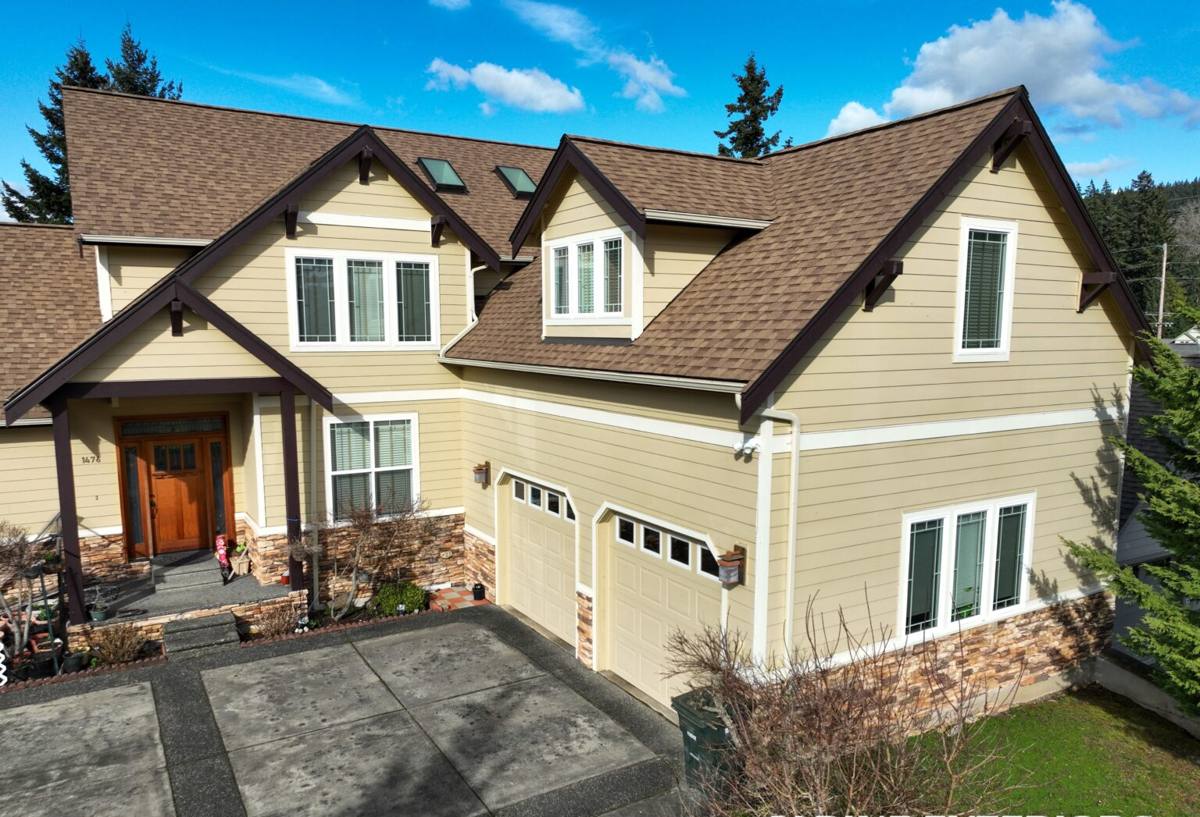
What Capitol Hill's Climate Actually Does to a Deck
Moisture That Never Fully Leaves
Even composite decking, which doesn't rot the way wood does, has failure points tied to moisture. Boards that sit in standing water, joists that stay damp because airflow underneath is blocked, and fasteners that trap moisture against the board all shorten the life of a deck no matter what material is on top. In a neighborhood that sees extended wet seasons, the substructure and drainage plan matter as much as the decking brand.
Moss and Organic Growth
Moss doesn't just grow on roofs. Shaded decks, north-facing exposures, and boards installed too tight to the ground or too close together collect moisture and organic debris that feed moss and algae growth. On composite boards this shows up as green or black staining in low-traffic areas and can make a deck surface slick and slippery, which is a real safety issue on stairs and landings.
Salt-Laden Air and Fastener Corrosion
Proximity to Puget Sound means the air carries a fine salt content that accelerates corrosion on lower-grade screws, brackets, and structural hardware. This is one of the most overlooked failure points in composite deck installs — the boards themselves may be rated for decades, but if the fasteners and joist hardware underneath aren't corrosion-resistant, the connection points fail long before the decking does.
UV and Temperature Swings
We don't get the extreme heat of other regions, but Capitol Hill still sees enough sun exposure on south- and west-facing decks to fade lower-quality composite boards unevenly, especially where furniture or planters create shade patterns. Good composite formulations resist this; cheaper ones chalk and fade in blotches.
What a Correct Composite Deck Build Involves
A composite deck is only as good as what's underneath it and how it's put together. The visible boards get all the attention, but the parts a homeowner doesn't see are usually what determine whether the deck is trouble-free or a recurring headache.
- Pressure-treated or naturally durable framing lumber, properly spaced to support the specific composite board's span rating
- Joist tape or a moisture barrier on top of the framing to protect it from the composite board's contact moisture over time
- Corrosion-resistant, stainless or coated structural screws and joist hangers rated for coastal/marine exposure
- Correct board spacing for drainage and expansion — composite expands and contracts with temperature more than most homeowners expect
- Ventilation underneath the deck so trapped moisture and humidity can escape rather than sitting against the framing
- Hidden fastener systems or properly countersunk face screws, installed to the manufacturer's exact spacing tolerances
- Flashing where the deck ledger meets the house, to keep water from tracking behind siding or into the rim joist
Skipping any one of these doesn't usually show up on day one. It shows up two or three winters later as squeaking boards, soft spots in the framing, or staining that won't come off.
Choosing a Composite Board for This Neighborhood
There are real differences between composite product tiers, and the right choice depends on the deck's exposure, budget, and how the homeowner plans to use it. We'll walk through options honestly rather than pushing whatever has the best margin.
| Factor | What to Consider Locally |
|---|---|
| Capped vs. uncapped composite | Fully capped boards resist moisture absorption and staining far better in our wet climate; uncapped or lower-tier boards are more prone to moss staining and swelling at cut ends |
| Board color | Lighter colors show algae and moss staining more readily but run cooler underfoot; darker colors hide organic staining better but absorb more heat on sun-exposed decks |
| Surface texture | Textured or grooved surfaces improve slip resistance in wet weather, which matters on shaded or north-facing Capitol Hill lots |
| Fastener system | Hidden fastener clips give a cleaner look but require precise groove tolerances; face-screwed boards are more forgiving to repair individually |
| Warranty structure | Check whether the warranty covers staining and mold/mildew specifically, not just structural failure — this is the clause that matters most in our climate |
We don't install every composite product on the market. Our standard is boards with a proven track record in wet Pacific Northwest conditions and a warranty that actually addresses moisture and organic staining, not just fading or structural defects. Some lower-cost composite lines look identical to premium boards on a showroom sample but behave very differently after a few Seattle winters.
New Installation vs. Repair vs. Replacement
New Composite Deck Installation
For homeowners building new or replacing an aging wood deck, a composite install is a chance to fix drainage and structural issues from the ground up. We assess the site, the sun/shade pattern, and drainage before ever ordering material, because the framing plan should match the site conditions, not a generic template.
Repairing an Existing Composite Deck
Composite decks can develop isolated problems — a section with persistent moss staining, a few boards that have started to warp near a leak point, fastener heads popping up, or railing posts that have loosened. Most of these are fixable without replacing the whole deck, provided the framing underneath is still sound. We check the substructure first, since a board-level fix on top of failing framing is a short-term patch, not a real repair.
When Full Replacement Makes Sense
If the framing has significant rot or corrosion damage, if the deck was originally built without adequate drainage or ventilation, or if the existing composite is an older uncapped product that's absorbed moisture throughout, patching individual boards won't solve the underlying issue. We'll always tell a homeowner honestly whether their deck is a repair candidate or whether replacement is the more cost-effective long-term move.
Our Process for Capitol Hill Deck Projects
- On-site assessment — we look at sun exposure, drainage, existing framing condition (for repairs/replacements), and how the deck connects to the house
- Honest scope and material recommendation — we explain the trade-offs between board options in plain terms, matched to the specific site's shade, moisture, and traffic patterns
- Framing and drainage correction — any structural or moisture-barrier issues get addressed before decking goes down, not covered up
- Installation to manufacturer spec — correct spacing, fastener type, and ventilation clearance, since these details are what the warranty actually depends on
- Final walkthrough — we go over basic composite deck care so the homeowner knows what maintenance (if any) is actually needed versus what's marketing
Why Local Experience on Capitol Hill Specifically Matters
Capitol Hill's housing stock ranges from older craftsman homes on sloped lots to newer construction with rooftop and multi-level decks, and each type presents different structural and access challenges. A crew that regularly works this neighborhood knows the typical framing conditions found in homes of different eras here, understands how King County permitting applies to deck work at various heights and footprints, and has a practical sense of how sun and shade fall across these specific lots throughout the year. That local pattern recognition is what prevents a generic install from becoming a callback two winters later.
Maintaining a Composite Deck in a Wet Climate
Composite decking is genuinely lower-maintenance than wood, but "low-maintenance" doesn't mean "no-maintenance" in a climate like ours.
- Sweep debris off the deck regularly, especially in fall when leaves and organic matter accumulate and trap moisture against the boards
- Rinse the surface periodically to prevent pollen, dirt, and organic film from building into moss or algae staining
- Keep gutters and downspouts near the deck clear so runoff isn't draining directly onto or under the deck surface
- Check the underside airflow path isn't blocked by stored items, planters, or added skirting that traps moisture
- Inspect railing posts and stair connections annually, since these high-stress points are usually the first to show fastener or hardware wear
If you're weighing a new composite deck, a repair on an existing one, or just want an honest read on whether your current deck's framing is holding up, we're glad to take a look. We offer a free, no-pressure estimate for Capitol Hill homeowners — use the form below to get started.