 King County
 Storm Damage Roof Repair in Rainier Valley
Rainier Valley homes sit under the same Puget Sound weather pattern that hits the rest of King County — long stretches of low-pressure systems rolling in off the Sound, wind-driven rain that comes in sideways instead of straight down, and a wet season that runs far longer than most homeowners realize. Add in salt-tinged marine air and a moss season that can stretch from October through May, and you've got a roof that's under quiet, constant pressure even when nothing dramatic happens. Storm damage here isn't always a single violent event. More often it's a series of smaller hits — a windstorm that lifts a few shingle tabs, weeks of driving rain that finds the opening, and moss that's been working at a seam for months — that add up to a leak by the time anyone notices.
This page covers what storm damage roof repair actually involves for a Rainier Valley home, what we look for, and why hiring a crew that already knows this neighborhood's roofs matters more than it might seem.
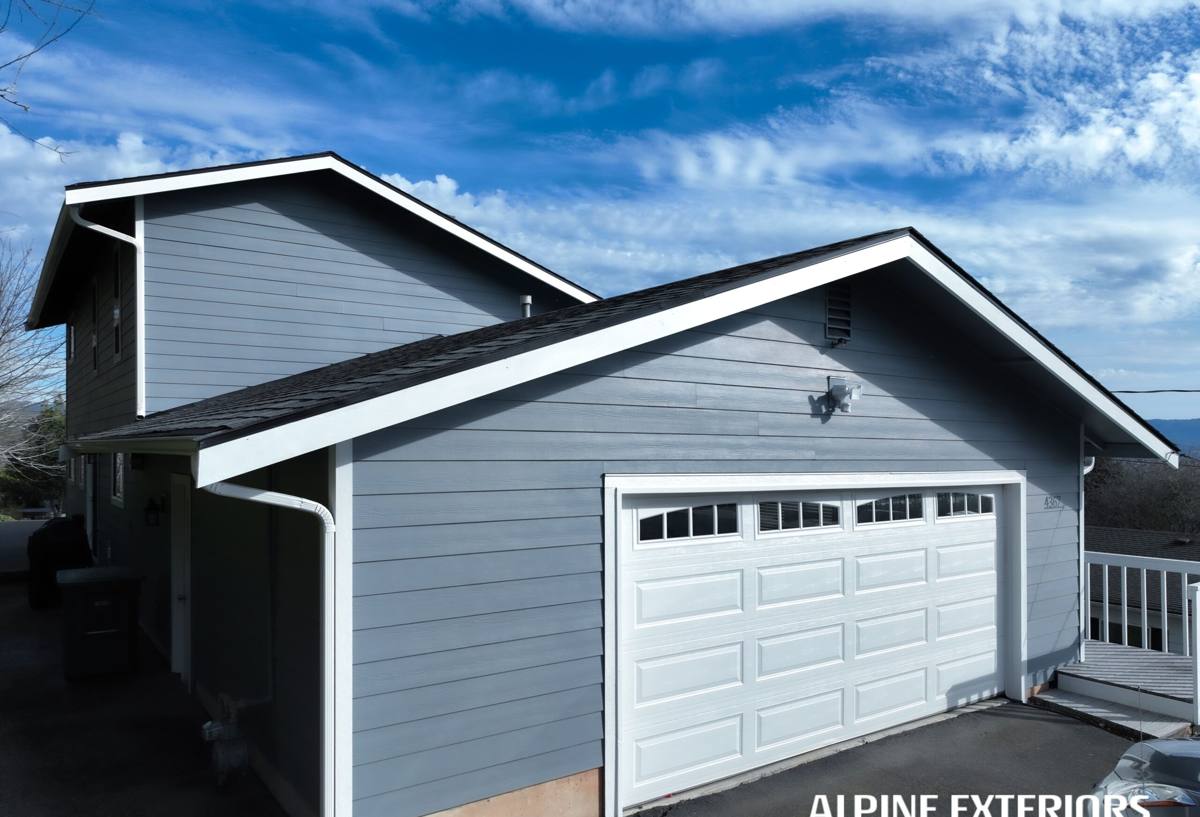
What Storm Damage Actually Looks Like Here
"Storm damage" covers more than a single blown-off shingle. In this part of King County, we typically see it show up in a few distinct forms:
- Wind-lifted or creased shingles — gusts don't have to be extreme to break the seal strip on asphalt shingles, especially on older roofs where the adhesive has already weakened from years of sun and moisture cycling.
- Wind-driven rain intrusion — rain pushed sideways by storm gusts can work its way under flashing, around vents, and past shingle edges that would keep out a straight-down rain just fine.
- Debris impact — branches and limbs coming down in wind events can crack shingles, dent metal flashing, or puncture underlayment without leaving an obvious hole from the ground.
- Moss and debris damming — a long moss season doesn't cause storm damage on its own, but moss mats and needle buildup hold water against the roof surface during a storm, turning a roof that would otherwise shed water fine into one that lets it sit and soak in.
- Flashing failure — chimneys, skylights, and roof-to-wall transitions are where storm damage most often turns into an actual interior leak, because flashing failures are quiet until water finds a path inside.
The tricky part is that most of these don't announce themselves. A roof can take real storm damage and still look fine from the driveway.
Signs a Rainier Valley Roof Needs a Storm Damage Inspection
After any significant wind or rain event, it's worth doing a quick check — or having one done — for the following:
- Shingle granules collecting in gutters or at downspout outlets
- Shingles that look lifted, curled, or out of alignment with the row around them
- New or worsening moss growth concentrated in one area, which can mean water is sitting longer there than it should
- A ceiling stain, even a small one, that appears after a storm and wasn't there before
- Visible dents or dings in metal flashing, vent caps, or gutters
- Debris on the roof that wasn't cleared before the next rain
- Daylight visible through the attic roof deck, checked from inside on a dry day
None of these alone means a full roof replacement is coming. Most storm damage in this area is repairable if it's caught before a few more rain cycles push water further into the deck and framing.
What a Correct Storm Damage Repair Involves
1. Stopping active water intrusion first
If a storm has left an active leak, the first job is mitigation — a temporary tarp or seal over the damaged section to stop water from getting further into the deck while the full repair is scoped. This isn't the fix, it's just buying time correctly instead of letting a small problem become a deck-replacement problem.
2. A full-roof inspection, not just the obvious spot
Wind and rain damage rarely stays confined to the area a homeowner noticed. A proper inspection covers the whole roof plane, the flashing details, the vents, and the attic side, because storm forces that lifted one section of shingles usually stressed the fasteners and seals nearby too.
3. Matching the repair to the actual cause
A lifted shingle from wind and a leak from failed flashing need different fixes. Re-sealing a shingle that's actually failing because of underlying flashing corrosion just delays the real problem. Part of doing this correctly is diagnosing the cause, not just patching the symptom.
4. Material and color matching
Asphalt shingle colors shift over the life of a roof as they weather, so a repair section that uses new-off-the-shelf shingles next to a five- or ten-year-old roof can stand out. We work to source the closest match available and set expectations honestly when an exact match isn't possible — better to know that going in than be surprised later.
5. Clearing the conditions that made the damage worse
If moss or debris buildup contributed to water sitting where it shouldn't, the repair isn't complete until that's cleared too. Fixing the shingle but leaving the moss mat next to it just sets up the same problem again next storm season.
Storm Repair vs. Full Replacement: How We Decide
Homeowners reasonably worry that any roof call will turn into a sales pitch for a full replacement. The honest answer is that it depends on the roof's age, the extent of the damage, and how much of the underlying deck was affected. Here's how we generally think through it:
| Situation | Usually Repairable | Usually Warrants Replacement Discussion |
|---|---|---|
| Roof age | Under 15 years, otherwise in good condition | Near or past the shingle's expected service life |
| Damage extent | Isolated to one or two roof planes or sections | Widespread across most of the roof |
| Deck condition | Solid, dry decking under the damaged area | Soft or rotted decking found during inspection |
| Prior repair history | Few or no prior patch repairs in the area | Multiple past patches stacked in the same spots |
| Material availability | Matching shingles reasonably available | Discontinued product with no close match |
We'll tell you plainly which category your roof falls into, with the reasoning, before recommending a direction.
Our Process for Storm Damage Calls
- Inspection and documentation — a thorough look at the roof, attic, and flashing details, with photos of the actual damage rather than a generic checklist.
- A clear written scope — what's damaged, what caused it, and what the repair involves, in plain language before any work starts.
- The repair itself — done to match the surrounding roof's materials and installation method, not just whatever's fastest.
- A final check — confirming the repair holds and that nothing was missed nearby, since storm stress often isn't limited to one spot.
If the damage may be covered by homeowner's insurance, the documentation from the inspection is also what you'll want on hand for a claim — clear photos and a written description of cause and extent matter more to an adjuster than a verbal summary.
Why a Crew Familiar With Rainier Valley Roofs Matters
Roofing details that work in a drier inland climate don't always hold up the same way here. Flashing and underlayment choices that account for long wet seasons, wind-driven rain, and near-constant moss pressure aren't optional upgrades in this part of King County — they're closer to baseline. A crew that regularly works Rainier Valley and the surrounding Seattle neighborhoods has already seen how local roofs age, which trouble spots show up most often on the housing stock in this area, and what actually holds up through another wet season versus what just looks fine until the next storm. That's not something a crew coming in from outside the region typically has a feel for on day one.
What Storm Damage Repair Typically Costs
Costs vary based on the scope of damage, roof pitch and access, and material match, so we won't quote a number without seeing the roof. In general terms, a small isolated repair — a section of lifted shingles or a flashing reseal — tends to run in the low hundreds to low thousands of dollars, while damage affecting a full roof plane, a compromised deck section, or multiple flashing points climbs from there. The factors that move the price most:
| Factor | Why It Matters |
|---|---|
| Roof pitch and access | Steeper roofs and difficult access take longer and require more safety setup |
| Deck condition | Rotted or soft decking under the damage adds material and labor beyond the surface repair |
| Material match | Sourcing a close color/style match can take more time than using whatever's in stock |
| Extent of flashing work | Flashing repairs around chimneys and skylights are more labor-intensive than open-field shingle work |
| Moss/debris removal needed | Clearing buildup before repair adds time but prevents repeat damage |
We'd rather give you an honest range after seeing the actual damage than a number pulled out of thin air over the phone.
Get an Honest Look at Your Roof
If a recent storm has you wondering whether your roof took real damage or you've spotted something after a windy week, it's worth having it looked at before the next rain finds the opening. We'll give you a straight assessment of what's actually going on and what it would take to fix it — no pressure, no upsell. Fill out the form below to request a free storm damage estimate.