 King County
 Rainier Valley's Roofs Work Harder Than People Realize
Rainier Valley sits in a part of King County where the roof over your head is doing more than blocking rain. Between the marine air rolling in off Puget Sound, long stretches of steady drizzle through fall and winter, and the shade thrown by mature tree canopy on many streets, a roof here is under near-constant low-grade stress. It's rarely one dramatic storm that takes a roof out — it's years of moisture cycling, moss creeping under shingle edges, and gutters clogged with needles and leaves that never quite dry out between rains.
That combination is why roof replacement decisions in this neighborhood look a little different than they would in a drier climate. The materials, the ventilation plan, and the timing all need to account for how long this area stays wet and how much shade certain lots get. This page is specifically about roof replacement for Rainier Valley homes — not siding, not gutters on their own, and not a generic statewide roofing overview.
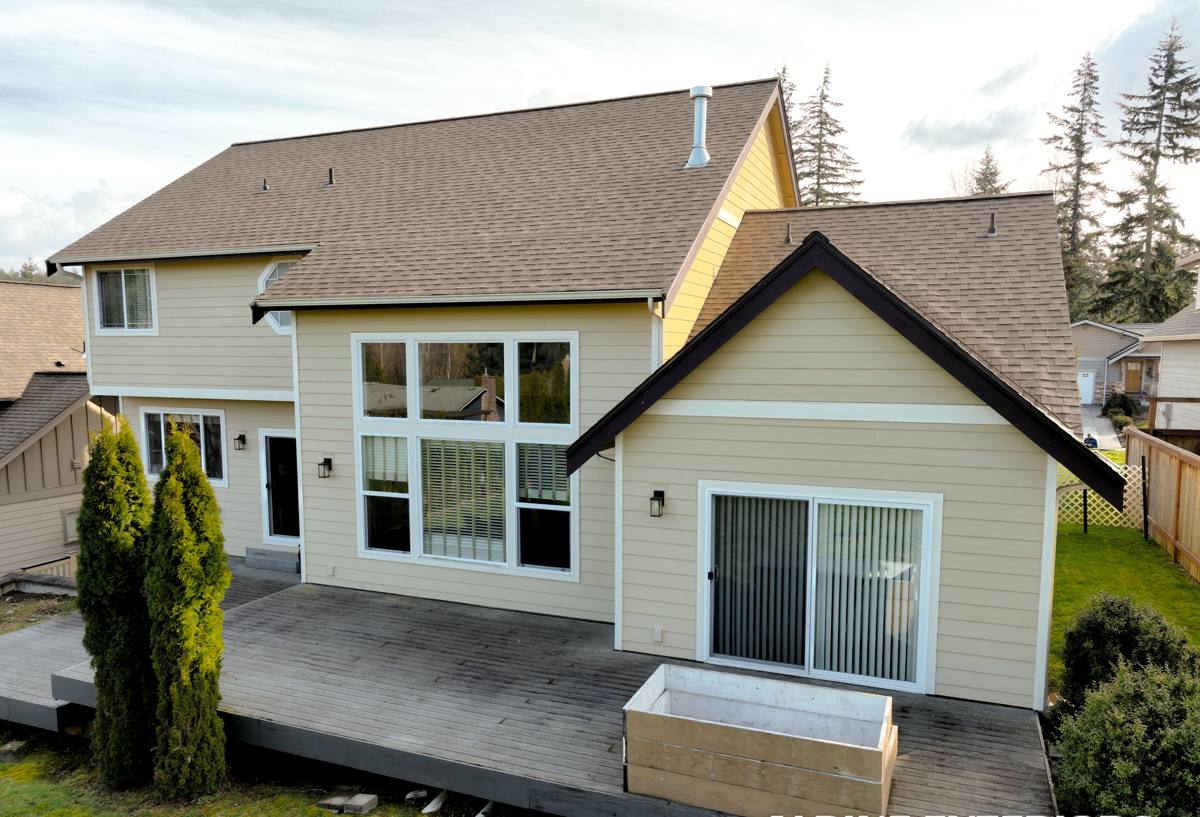
Signs a Rainier Valley Roof Needs Replacing, Not Patching
Homeowners often call us after a leak shows up inside, but by the time water is visible on a ceiling, the roof has usually been struggling for a while. Some signs point toward a repair being enough; others mean it's time to talk replacement.
Signs that usually mean repair is still on the table
- A single cracked or lifted shingle in one localized area
- Isolated moss growth on a shaded section that hasn't yet lifted the shingles
- Minor flashing separation around a chimney or vent with no interior staining
Signs that usually mean it's time to talk replacement
- Granule loss heavy enough that shingles look bald or patchy from the ground
- Moss or moisture damage spread across multiple slopes rather than one shaded corner
- Soft or spongy decking felt underfoot when walking the roof
- Roof is at or past the manufacturer's rated lifespan for its material and exposure
- Multiple past repairs in different spots, suggesting the underlayment is failing broadly
If you're seeing items from the second list, a patch is usually a short-term fix that costs money now and again in a year or two. We'll always tell you honestly which category your roof falls into rather than push a full replacement you don't need yet.
What a Correct Roof Replacement Actually Involves
A roof replacement done right isn't just stripping old shingles and laying new ones. In a climate like King County's, several steps matter more than they would somewhere drier, and skipping them is how a roof that looks fine on day one fails early.
Full tear-off and decking inspection
We remove existing roofing down to the deck rather than layering over it. That's the only way to actually see the condition of the sheathing underneath — soft spots, rot around old penetrations, or water staining that a layover would hide for years until it became a structural problem.
Moisture barrier and underlayment
Given how long this area stays wet, the underlayment matters as much as the shingle itself. We use a synthetic or self-adhered membrane appropriate to the roof's pitch and exposure, with extra ice-and-water protection at eaves, valleys, and anywhere water tends to sit or back up.
Flashing at every penetration
Chimneys, skylights, vent pipes, and roof-to-wall transitions are where the vast majority of roof leaks actually start — not in the open field of shingles. New step flashing, counterflashing, and pipe boots go in with every replacement, not just wherever the old flashing looks reusable.
Ventilation built for the deck, not guessed at
Proper intake and exhaust ventilation keeps moisture from condensing inside the attic, which matters in a climate where the air outside is often nearly as damp as the air you're trying to vent. We size ventilation to the actual attic and roof design rather than reusing whatever vents were there before.
Material Options for This Climate
There's no single "best" roofing material — the right choice depends on your budget, your roof's slope and shade exposure, and how much long-term maintenance you're willing to keep up with. Here's how the common options compare for a shaded, wet-climate lot like much of Rainier Valley.
| Material | Typical Lifespan | Moss & Moisture Behavior | Relative Cost | Best Fit |
|---|---|---|---|---|
| Standard 3-tab asphalt shingle | 15-20 years | More prone to moss in shaded areas; needs regular moss treatment | Lowest | Budget-focused replacements, low-shade roofs |
| Architectural (laminate) asphalt shingle | 25-30 years | Better moss resistance than 3-tab; algae-resistant granule options available | Moderate | Most Rainier Valley homes — the common default choice |
| Metal (standing seam or panel) | 40-50+ years | Sheds moisture fast, resists moss well, but installation quality is critical | Higher | Homeowners planning to stay long-term, steeper roofs |
| Synthetic/composite shingle | 30-50 years | Good moisture resistance; performance varies by manufacturer | Moderate-High | Homeowners wanting a specific look with lower upkeep |
We install what suits your roof and budget honestly — we're not going to steer you toward the most expensive option if an architectural asphalt shingle with good ventilation will serve your home just as well for the next few decades.
Why We Steer Away From Certain Setups
Occasionally a homeowner asks about layering new shingles over old ones to save money, or skipping upgraded underlayment to cut cost. Our standard is to not do either, and it's worth explaining why rather than just saying no.
Layering over old shingles traps moisture and hides deck problems that will cost far more to fix once they've spread. It also voids most manufacturer warranties, since shingle makers rate their products for installation over bare, inspected decking. Skipping upgraded underlayment or ice-and-water protection at vulnerable spots saves a modest amount upfront but is exactly where leaks tend to start in a climate that stays wet for months at a time. These aren't judgment calls about a brand being bad — they're about installation practices that hold up against how much moisture this region actually sees.
How Our Process Works
- Free on-site inspection. We walk the roof (weather permitting) and check the attic from inside, looking at decking condition, ventilation, flashing, and moss or moisture patterns specific to your lot's shade and slope.
- Honest assessment and written estimate. You get a clear breakdown of what's needed, what it costs, and why — including whether replacement is actually necessary yet.
- Material selection. We walk through the options that fit your budget and roof, with straight talk about trade-offs rather than upselling.
- Scheduling around the weather. Roofing work needs a dry window, and we plan around King County's rain patterns rather than rushing a tear-off into a forecast that risks exposing your home.
- Full tear-off and replacement. Old roofing removed, decking inspected and repaired as needed, new underlayment, flashing, ventilation, and roofing material installed to manufacturer spec.
- Cleanup and final walkthrough. Site cleared of debris and nails, and we walk the finished roof with you before calling the job done.
Moss Management Doesn't End at Installation
A new roof in a shaded, wet climate isn't maintenance-free just because it's new. Moss spores are already in the air and in the tree debris that lands on your roof year-round in this area. A few habits keep a new roof performing for its full rated lifespan:
- Keep gutters clear of leaves and needles so water doesn't back up under the shingle edge
- Trim back overhanging branches where practical to reduce shade and debris buildup
- Have moss growth treated early, before it lifts shingles rather than after
- Schedule a roof check every year or two, especially after the wetter months
We're happy to point out which of these matter most for your specific roof and lot during the inspection — some Rainier Valley properties need much more moss vigilance than others depending on tree cover and roof orientation.
Permits and Local Considerations
Roof replacement in King County typically requires a building permit, and requirements can vary depending on your specific jurisdiction within the county and the scope of work. Part of our process includes handling the permit requirements that apply to your project so you're not left figuring that out on your own. We also factor in typical King County weather windows when scheduling, since a tear-off left exposed during an unexpected rain event is a problem nobody wants.
Why a Crew That Already Works Rainier Valley Matters
Roofing crews that mostly work drier climates or unshaded suburban tracts don't always think about moss-resistant underlayment details, gutter-to-shade relationships, or how much ventilation a heavily-treed lot really needs. A crew that regularly works Rainier Valley and the surrounding King County area has already seen how roofs in this specific mix of tree cover, rainfall, and marine air actually age — which means fewer surprises during the inspection and a plan built around how your roof will really perform, not a generic checklist.
It also means faster response if something needs a second look after installation, and a contractor who's realistic about what your particular street, slope, and shade situation demands rather than a one-size-fits-all pitch.
Questions to Ask Before You Hire
- Do you do a full tear-off, or do you offer layering over existing shingles?
- What underlayment and ice-and-water protection do you use, and where?
- How do you handle attic ventilation — is it sized to my roof or just replaced as-is?
- Are you licensed and insured to work in King County, and can you provide proof?
- Will you handle the permit, or is that left to me?
- What's your plan if rain moves in mid-tear-off?
Any contractor who can't answer these plainly is worth a second look before you sign anything.
If your roof is showing its age, or you just want an honest read on how much life it has left, we're glad to come take a look. The estimate is free, there's no pressure to move forward, and you'll get a straight answer about whether replacement is actually the right call for your home right now.