 King County
 Windows Built for What Rainier Valley Weather Actually Does
Rainier Valley homes take a specific kind of beating over the years. It's not one dramatic storm that ruins a window — it's the slow, steady combination of salt-tinged air moving in off the water, months of driving rain that finds every gap in old caulk, and a moss season that seems to stretch longer every year. Add in King County's mix of freeze-thaw swings and the shoulder seasons where humidity just sits against the house, and you've got conditions that punish anything less than a correctly installed, properly flashed window.
A lot of window problems we see in this neighborhood aren't really about the window unit itself — they're about how it was put in. A quality window installed poorly will fail faster than a mid-grade window installed correctly. That's the piece homeowners often don't get told, and it's the piece that matters most when you're planning custom windows for a Rainier Valley home.
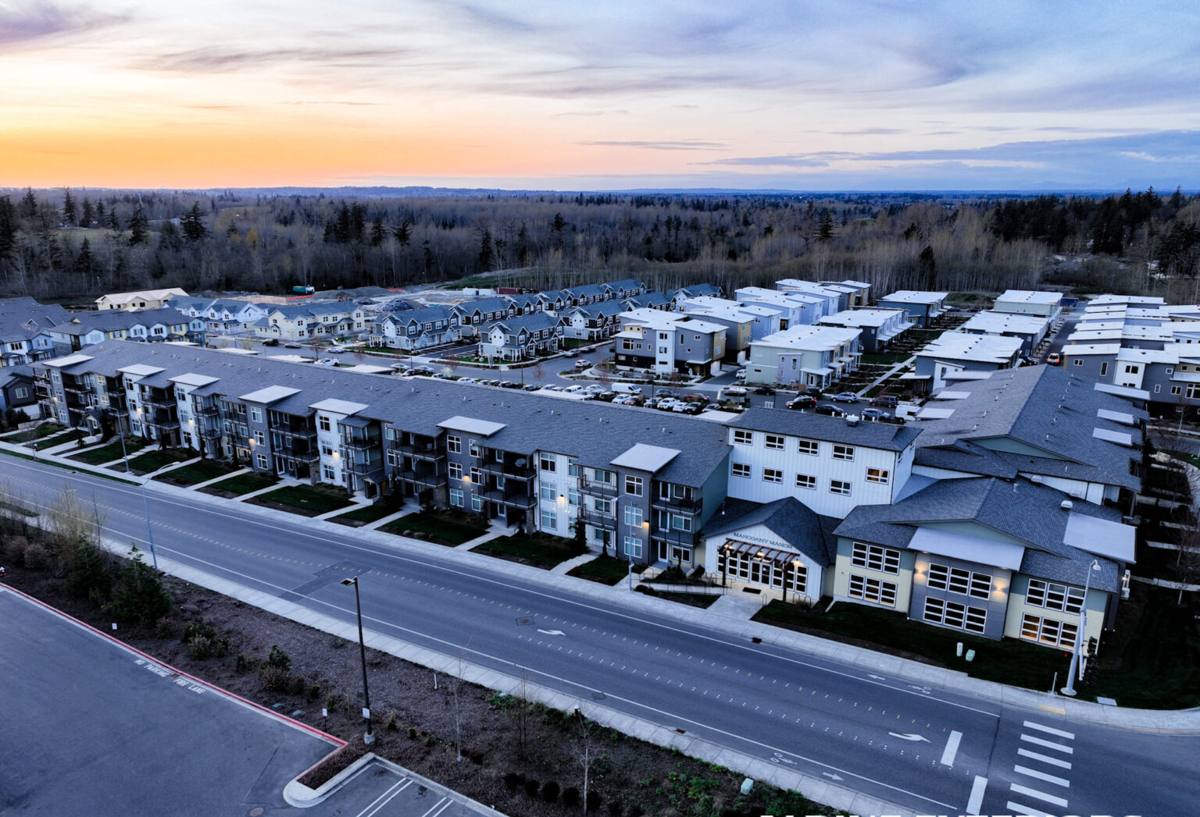
How This Climate Wears Down Windows Over Time
Moisture Intrusion
Driving rain doesn't just hit a window — it drives sideways into the gap between the frame and the rough opening if that gap isn't sealed and flashed correctly. Over years, that moisture works into the wall framing behind the window, not just the window itself. By the time you see staining on interior trim or soft spots on exterior siding near the frame, water has usually been getting in for a while.
Salt Air and Hardware Corrosion
Homes closer to Puget Sound and Lake Washington deal with airborne salt that accelerates corrosion on window hardware, screws, and lesser-quality aluminum components. Locks stick, cranks seize, and weatherstripping compresses unevenly when the frame hardware underneath it starts to corrode.
Moss and Organic Growth
A long moss season means organic growth doesn't just stay on the roof — it creeps onto window sills, tracks, and exterior trim wherever moisture sits and shade lingers. Moss holds moisture against wood and vinyl surfaces far longer than open air would, which shortens the life of caulking, trim paint, and sometimes the frame material itself.
Condensation and Older Glazing
Single-pane and early dual-pane windows common in older Rainier Valley housing stock weren't built for today's insulation standards. In our damp climate, that shows up as persistent condensation between panes or on interior glass — a sign the seal has failed and the unit is no longer doing its job.
What a Correctly Installed Custom Window Actually Involves
"Custom" doesn't just mean an unusual size or shape — it means the window and the installation are matched to your specific opening, your wall assembly, and this region's weather exposure. A correct job includes:
- Removing the old unit down to the rough opening and inspecting the framing and sheathing for hidden rot or moisture damage before anything new goes in
- Installing house wrap and flashing tape in the correct shingle-lap order so water is directed out and down, never trapped behind the window
- Setting the window level, plumb, and square, with proper shimming so the frame doesn't rack over time
- Sealing with the right sealant for the substrate — not just caulk smeared over gaps
- Insulating the gap between the frame and rough opening without over-packing, which can bow the frame
- Finishing exterior trim and flashing so water sheds away from the seams
- Confirming proper operation, locking hardware engagement, and a clean, draft-free interior seal
Skip any one of these steps and you can end up with a window that looks fine for a year or two before moisture problems start showing up inside the wall — exactly the kind of damage that's expensive to find and fix after the fact.
Choosing Frame Materials for Rainier Valley's Housing Stock
Rainier Valley has a mix of older bungalows, mid-century homes, and newer infill construction, which means the right window material depends on the house as much as the budget. Here's how the common options compare for this climate:
| Frame Material | Moisture & Salt Air Resistance | Maintenance | Typical Cost Range | Best Fit |
|---|---|---|---|---|
| Vinyl | Good — won't rot or corrode | Low | Budget-friendly | Most replacement projects, rental and value-focused upgrades |
| Fiberglass | Very good — stable in temperature swings and damp air | Low | Mid to upper | Larger custom openings, long-term durability priorities |
| Wood-clad | Fair — depends heavily on cladding integrity and upkeep | Higher | Upper | Historic character homes where wood interior trim matters |
| Aluminum | Poor to fair — prone to corrosion near salt air over time | Moderate | Varies | Limited use; generally not our first recommendation in this climate |
We don't push one material for every home. We do steer homeowners away from bare aluminum frames in this specific area, not because aluminum is inherently bad everywhere, but because unclad aluminum's corrosion behavior near salt-influenced air is a real maintenance burden here that other materials handle better.
Glass Packages Worth Considering
Whatever frame you choose, the glass package matters just as much in a climate like ours. Dual-pane with low-E coating and argon gas fill is a sensible baseline for most Rainier Valley homes — it cuts heat loss and reduces condensation risk. Homes closer to busier streets sometimes benefit from laminated glass options for sound dampening as well.
Signs It's Time to Replace Rather Than Repair
- Fogging or moisture trapped between panes that won't clear
- Windows that are difficult to open, close, or lock, especially after damp weather
- Visible gaps, soft wood, or paint failure at the frame-to-wall joint
- Noticeable drafts or a cold wall area near the window even when it's shut
- Persistent moss or dark staining building up on the sill or lower frame
- Rising energy bills without another clear explanation
If you're only seeing one or two of these, a repair or reseal might solve it. If several show up on the same window, or across multiple windows on the same side of the house, replacement is usually the more honest recommendation.
Our Process, Start to Finish
- On-site assessment — we look at each opening, the surrounding siding and trim condition, and how the home is oriented to prevailing wind and rain
- Honest recommendation — frame material, glass package, and whether full-frame replacement or an insert approach makes sense for that specific opening
- Clear written estimate — scope, materials, and timeline before any work begins
- Careful removal and inspection — checking framing behind the old window for hidden moisture damage before it's covered up again
- Correct installation — flashing, sealing, shimming, and trim work done in the right order, not shortcuts to save an hour
- Final walkthrough — operation check, cleanup, and a plain-language explanation of anything you should keep an eye on
What to Ask Before Hiring Anyone for Window Work
- Do you inspect the rough opening and framing before installing, not just the window itself?
- What flashing and sealing method do you use, and why?
- Are you licensed and insured to do exterior work in King County?
- Will I get a written scope that specifies materials, not just a total price?
- How do you handle hidden rot or damage if it's found once the old window is out?
- What's the warranty on both the window product and your installation labor?
A contractor who answers these clearly and without hesitation is usually one who does this work correctly and often. Vague answers, especially about flashing and moisture management, are worth pausing on.
Why Local Experience in Rainier Valley Matters
Window installation isn't identical everywhere in King County. A crew that regularly works Rainier Valley homes already understands the common framing quirks in this area's older housing stock, how far rain typically drives against which sides of a house, and where moss and moisture tend to collect first. That familiarity shows up in small decisions during the job — how much overlap to give flashing tape, which sealant holds up best against the salt-tinged air here, how to trim out an opening on an older home without fighting the original construction. It's the difference between a crew executing a generic install and one that's solving for this specific neighborhood's conditions.
It also means faster, more accurate estimates. When we've already seen the framing patterns common to homes in this area, we're not guessing at what's behind your siding — we know what to expect and what to check for.
Get a Straight Answer About Your Windows
If your windows are fogging, sticking, drafting, or just showing their age, we're happy to take a look and give you an honest read on repair versus replacement — no pressure, no upsell. Use the form below to request a free estimate for custom windows on your Rainier Valley home.