 King County
 Windows Built for Rainier Valley's Weather
Rainier Valley homes deal with a specific mix of conditions: long stretches of driving rain off the Sound, salt-laden air that creeps further inland than most homeowners realize, and a moss season that can run half the year in the shadier, tree-covered lots common to this part of King County. Windows here don't fail because of one bad storm — they fail slowly, from years of moisture finding its way into places it shouldn't be. A window installed correctly in this climate should shed water away from the frame, resist the fine mist that blows sideways in a winter squall, and hold its seal even as the house settles and the wood around it expands and contracts with the seasons.
We've worked on homes throughout Rainier Valley long enough to see the same failure patterns repeat: rot at the bottom corners of wood-frame windows, fogged double-pane glass from a broken seal, and vinyl frames that have gone brittle and started to crack at the corners. Almost none of these problems are about the window brand alone — they're about installation details that matter more here than they would in a drier climate.
What Local Homes Actually Need From a Window Install
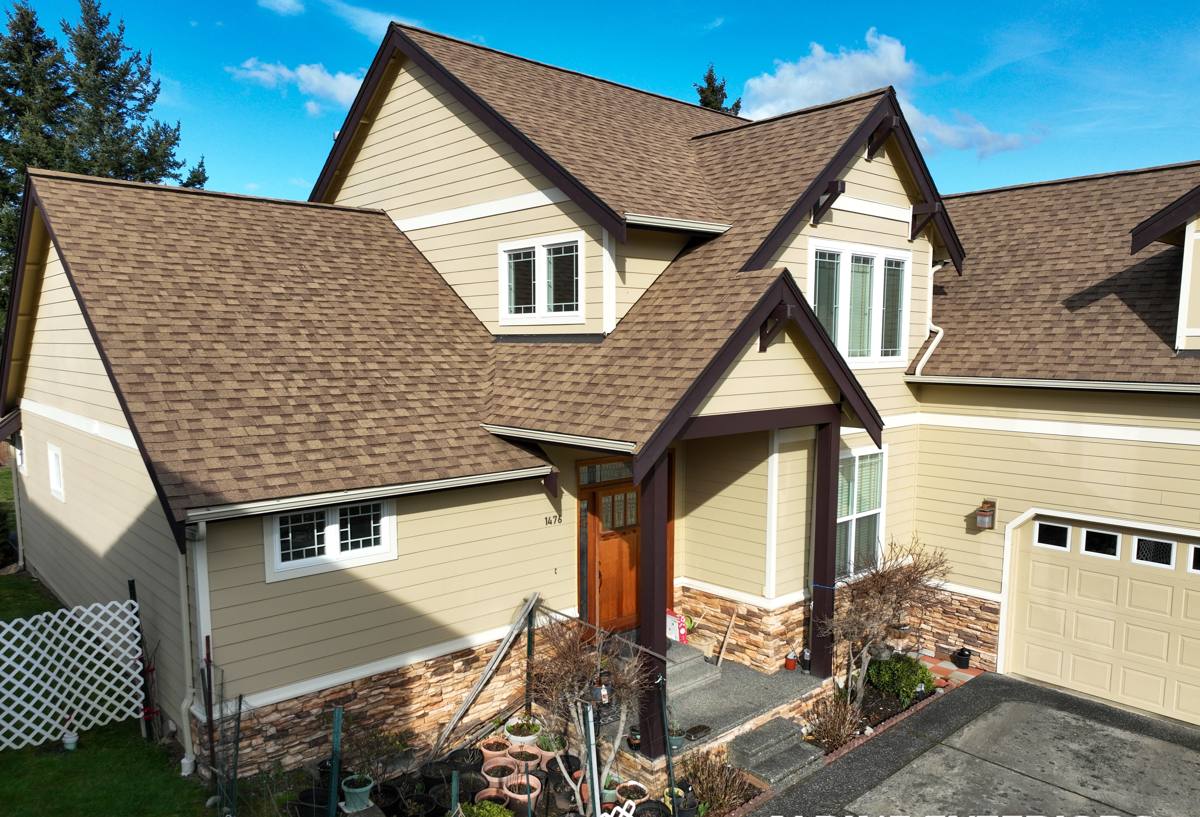
Rainier Valley's housing stock spans a wide range of ages, from older bungalows with original wood-frame windows to newer builds with builder-grade vinyl. Regardless of the home's age, three things matter most for a window installation that's actually going to hold up:
- Flashing that directs water down and out, not into the wall cavity. This is the single most common point of failure we find on re-inspections of other contractors' work.
- Sealant and weatherstripping rated for sustained moisture exposure, not just splash resistance — King County's rain isn't occasional, it's a season.
- Frame materials that won't wick moisture or provide a surface for moss and mildew to establish themselves, especially on north- and west-facing walls that stay damp longest.
Homes closer to tree cover or with limited afternoon sun dry out slower after a storm, which means any gap in the seal has more time to do damage before the next dry stretch. That's a big part of why we treat flashing and sealing as the part of the job that determines whether a window lasts 10 years or 30.
Older Homes vs. Newer Construction
Older Rainier Valley homes often have window openings that have shifted slightly over decades of settling, meaning a straight swap of new-for-old rarely fits cleanly — the opening needs to be checked, and sometimes reframed, before a new unit goes in. Newer homes usually have squarer openings but may have builder-grade windows that were installed quickly during original construction, with shortcuts in flashing that don't show up until years later when the original sealant fails.
What a Correct Installation Actually Involves
A window installation is really a sequence of small decisions, and skipping any one of them is how leaks start. Here's the order we follow and why each step matters:
- Remove the old unit and inspect the opening. This is where we find rot, soft framing, or prior water damage that needs to be addressed before anything new goes in — installing a new window over a compromised opening just hides the problem.
- Repair or replace damaged framing. Any soft or water-stained wood gets cut out and replaced. This step gets skipped by rushed installs, and it's the reason "new" windows sometimes fail within a few years.
- Install house wrap and flashing tape correctly layered so water is shed in the right direction — top piece overlapping the side pieces, side pieces overlapping the sill pan, always working from the bottom up like shingles.
- Set the window level, plumb, and square using shims, checking the reveal on all four sides before fastening.
- Insulate the gap between the frame and the rough opening with a low-expansion foam or backer rod, never packed tight enough to bow the frame.
- Seal the exterior with a compatible sealant rated for the siding material and sustained exposure, leaving the bottom weep path clear so any incidental moisture can still drain out.
- Finish interior trim and confirm smooth operation of the sash, lock, and any screens before calling the job done.
None of these steps are unusual on their own. What's unusual is doing all of them, every time, on every window — that consistency is what separates a lasting install from one that needs attention again in five years.
Choosing the Right Window for This Climate
We install a range of window types, and the right choice depends on the home's exposure, budget, and how much upkeep the homeowner wants to take on. Here's how the common options compare for a King County home with real rain exposure:
| Frame Material | Moisture Behavior | Maintenance | Typical Lifespan |
|---|---|---|---|
| Vinyl | Won't rot, handles sustained damp well | Low — occasional cleaning | 20–30 years |
| Fiberglass | Very stable, resists warping and expansion | Low | 30+ years |
| Wood (clad exterior) | Good if the exterior cladding stays intact | Moderate — watch for cladding damage | 20–30 years with upkeep |
| Aluminum | Conducts cold and can condense in damp climates | Low, but condensation needs monitoring | 20+ years |
We don't push one material on every home. A vinyl or fiberglass window is often the practical choice for exposed walls that take the brunt of driving rain, while clad-wood units can make sense on more protected elevations where the homeowner wants a specific interior look. Whatever material fits the home, low-E glass and proper spacer systems help manage the condensation that's common in our wetter, cooler months — fogging between panes almost always means a failed seal, not a bad glass choice, which is another reason the installation quality matters as much as the product itself.
Moss, Algae, and the Long Wet Season
Moss doesn't just grow on roofs in this part of King County — it finds a foothold anywhere organic debris and moisture sit together for months at a time, and window sills and frame corners are prime real estate if water isn't draining properly. A correctly sloped sill and a clear weep path keep water moving instead of sitting, which is the main defense against moss and algae staining around the frame. We also make sure sealant lines aren't creating little dams that trap water and debris — a small detail, but one that shows up constantly on older installs we're asked to fix.
Our Process for Rainier Valley Homeowners
We keep the process straightforward because window replacement shouldn't feel complicated:
- A no-pressure in-person assessment of the windows you're replacing, including a look at the framing and any signs of past water intrusion.
- A clear, itemized quote — no vague allowances, so you know what you're paying for before work starts.
- Scheduling that accounts for our wet season, since certain sealants and foams need dry conditions to cure properly.
- One opening at a time during the actual swap, so your home isn't left exposed to the weather for longer than necessary.
- A final walkthrough where we check operation, look, and seal on every window before we call the job finished.
What to Expect on Install Day
Most single windows take a few hours from removal to finished trim; a full-home replacement is usually scheduled over multiple days so each opening gets the same careful attention rather than being rushed to hit a one-day timeline. We work room by room, and each opening is weathertight again before we move to the next.
Cost Factors to Understand Before You Get Quotes
Window pricing varies a lot based on a handful of factors, and it's worth understanding them so quotes from different contractors actually mean something comparable:
| Factor | Why It Affects Price |
|---|---|
| Frame material | Vinyl is generally the most budget-friendly; fiberglass and clad-wood cost more upfront |
| Opening condition | Rot repair or reframing adds labor and material cost beyond the window itself |
| Window size and type | Custom shapes, larger picture windows, or specialty operating styles cost more than standard double-hungs |
| Glass package | Low-E coatings, gas fills, and impact-rated glass add cost but improve performance |
| Number of openings | Whole-home jobs typically bring a better per-window rate than single replacements |
We'd rather walk you through these factors honestly during an estimate than give a number over the phone that won't hold up once we've actually seen the opening.
Why Hiring a Crew That Knows Rainier Valley Matters
A window installer who mostly works drier climates can still do competent work, but they may not default to the extra flashing detail or drainage planning that this part of King County actually requires. We've inspected enough other contractors' installs in this area to know that the failures we see aren't usually about a bad window — they're about shortcuts in the flashing, sealing, or opening prep that only show their cost years later, after the sealant has failed and water has already gotten into the wall. Working in this specific climate, on this specific kind of housing stock, changes what "correct" looks like on the job.
If you're weighing whether it's time to replace a window that's fogging, sticking, or showing rot at the corners, we're happy to take a look and give you a straight answer — including telling you if a repair makes more sense than full replacement. Reach out for a free, no-pressure estimate using the form below.