 King County
 Rainier Valley's Climate Is Harder on Siding Than Most Homeowners Realize
Rainier Valley sits in one of the more climate-punishing pockets of King County for exterior materials. Homes here deal with a long, wet season where rain doesn't so much fall as linger — soaking siding for days at a time, drying briefly, then soaking again. Add in the moist air moving off the Puget Sound region and you get a near-constant humidity load that most siding products were never engineered to handle for months on end. Then there's moss. King County's mild, damp winters create ideal growing conditions for moss and algae on north-facing walls, under eaves, and anywhere sun doesn't reach long enough to dry the surface between rain events.
None of this is dramatic on its own. It's the cumulative effect that causes problems: water finding its way behind poorly lapped boards, moss holding moisture against a wall for weeks, and freeze-thaw cycles in January stressing whatever's already saturated. A siding installation that looks fine on day one can fail quietly over several winters if it wasn't built for this specific climate. That's the standard we install to on every Rainier Valley project — not a generic install, but one that accounts for how this neighborhood's weather actually behaves.
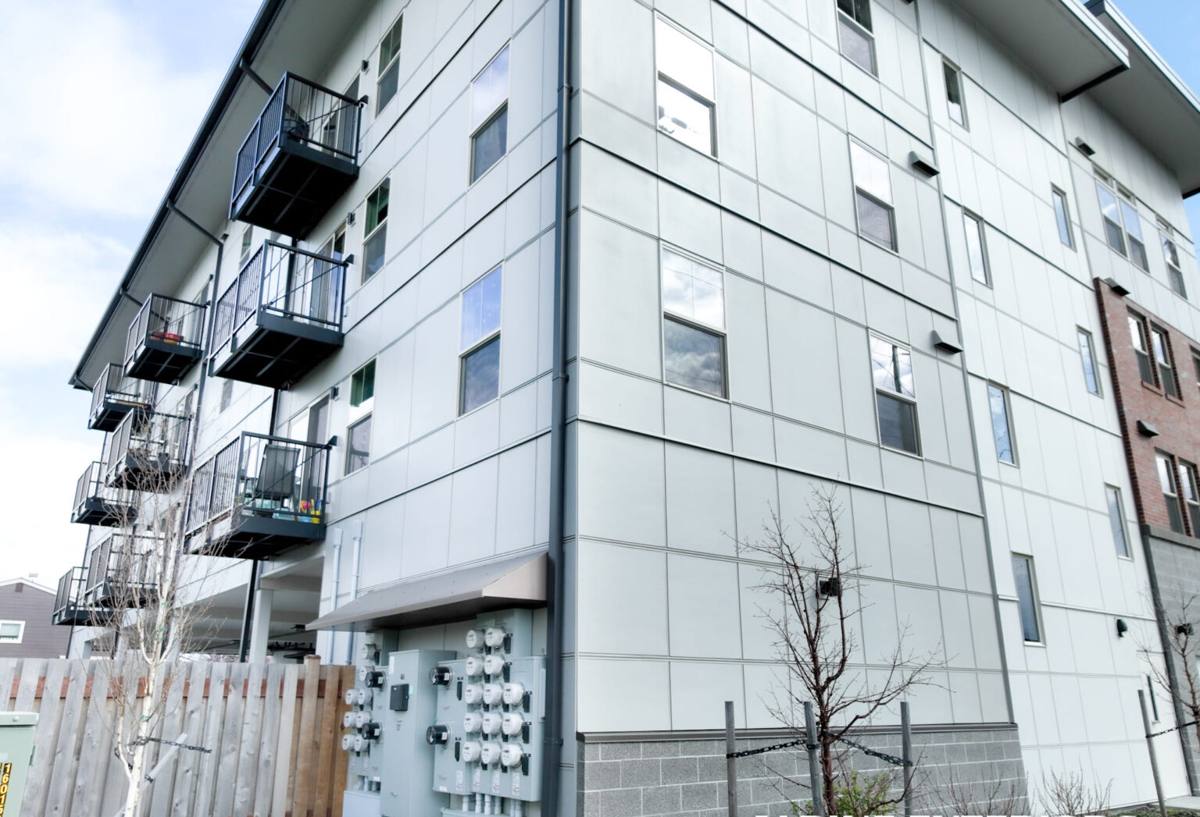
What "Correct" Siding Installation Actually Means
Siding installation is often talked about like it's just fastening boards to a wall. It isn't. The siding itself is the last layer of a system, and if the layers underneath are wrong, the siding will fail regardless of how good the product is. A correct installation in this climate includes:
Weather-Resistive Barrier and Drainage Plane
Every wall needs a continuous weather-resistive barrier behind the siding, lapped correctly so water sheds outward and down rather than working its way inward at seams. In a climate with Rainier Valley's rainfall totals, we also build in a drainage gap so any moisture that does get behind the cladding has somewhere to go instead of sitting against the sheathing.
Flashing at Every Penetration
Windows, doors, hose bibs, light fixtures, vents — every place something interrupts the wall plane is a place water can find its way in. Proper step flashing, head flashing, and kick-out flashing at roof-to-wall intersections are not optional extras; they're the difference between a wall that sheds water for decades and one that rots from the inside where nobody can see it until the damage is extensive.
Correct Fastening and Clearances
Fiber cement siding has manufacturer-specified nailing patterns, fastener types, and minimum clearances from grade, roof lines, and decks. Skipping these to save time is one of the most common causes of premature siding failure — not because the material was bad, but because it was hung wrong.
Ventilated Rainscreen Detailing Where It Matters
On walls that take the brunt of wind-driven rain or stay shaded most of the day, a vented rainscreen gap behind the siding gives it a chance to dry out between storms instead of staying damp. This single detail does more to prevent moss and moisture problems long-term than almost anything else in the installation.
Why We Install Only James Hardie Fiber Cement
We standardized on James Hardie siding exclusively — we don't install vinyl, LP SmartSide, Cemplank, Allura, primed spruce, or cedar. That's a deliberate professional decision, not a sales preference. James Hardie's HZ5 product line is engineered specifically for climates like ours: wet winters, freeze-thaw cycles, and long stretches without direct sun to dry a wall. It's non-combustible fiber cement, which matters for both fire safety and for resisting the kind of moisture-driven swelling and rot that plagues wood-based products in this region. The factory-applied ColorPlus finish is baked on under controlled conditions, so it resists the fading and moss-friendly surface degradation that field-applied paint struggles with over time in a damp climate.
We're not saying every other product is unusable everywhere — cedar has real appeal, vinyl has its price point, LP SmartSide has genuine advocates. But we've made a professional call that in Rainier Valley's specific combination of rain, humidity, and moss pressure, Hardie's engineered fiber cement gives homeowners the best combination of longevity, low maintenance, and warranty backing. We'd rather install one product exceptionally well than spread our expertise thin across several.
Signs a Rainier Valley Home Needs New Siding
Homeowners often wait too long to address siding problems because the early signs look cosmetic rather than structural. Watch for:
- Persistent moss or dark streaking on north- or west-facing walls that returns shortly after cleaning
- Soft or spongy spots when you press on siding, especially near the bottom courses or around window trim
- Visible warping, bubbling, or delamination on painted wood or engineered wood siding
- Paint that's peeling or blistering rather than just fading, which often points to moisture trapped behind the surface
- Gaps opening up at seams, corners, or trim boards where caulk has failed
- A musty smell in interior rooms along an exterior wall, which can indicate moisture intrusion behind the cladding
Any one of these can be minor. Several together, especially on a home more than 15-20 years old, usually means the siding system as a whole has reached the end of its useful life rather than needing a patch repair.
Our Installation Process for Rainier Valley Homes
Assessment and Wall Inspection
Before we quote a job, we look at what's actually happening behind the existing siding where accessible — evidence of past leaks, sheathing condition, and how the home's specific exposure to rain and shade affects different walls. A wall that's protected by roof overhang behaves very differently than one exposed to prevailing wind-driven rain, and the installation detailing should reflect that.
Removal and Sheathing Repair
We strip old siding down to the sheathing, which is the only reliable way to find hidden rot or moisture damage. Any compromised sheathing gets replaced before anything new goes up — installing new siding over damaged sheathing just hides the problem for a few more years.
Weather Barrier, Flashing, and Drainage Installation
This is where most of the long-term performance of the job gets decided, and it's the step that's easiest to shortcut and hardest to inspect after the fact. We install the weather-resistive barrier, all flashing, and drainage detailing to manufacturer and code specifications before a single piece of Hardie siding goes up.
Hardie Siding Installation
We install per James Hardie's published fastening schedules and clearance requirements, with attention to the details that matter most in this climate — proper caulking joints, correct overlaps, and clearance from grade, decks, and roof lines to keep the bottom edge of the siding out of standing water and splash-back.
Final Walkthrough
We walk the finished job with the homeowner, covering what was done, what to expect from the ColorPlus finish over time, and basic care going forward.
Choosing a Contractor Who Actually Works This Neighborhood
Rainier Valley's mix of home ages and styles means a contractor needs real, current experience with the moisture and drainage challenges specific to this part of King County — not just general siding experience from a drier region or a different climate zone. A crew that primarily works inland or in less rain-exposed areas may not automatically build in the rainscreen detailing or flashing redundancy that this neighborhood's rainfall and moss pressure call for.
| What to Check | Why It Matters Here |
|---|---|
| Manufacturer certification for Hardie installation | Ensures correct fastening, clearances, and warranty eligibility |
| Recent local project history | Confirms familiarity with King County permitting and this climate's failure points |
| Written scope covering flashing and drainage detail | Prevents corners being cut on the parts you can't see after the wall is closed up |
| Licensing and insurance verification | Protects you if something goes wrong mid-project |
| Clear warranty terms, both labor and material | Long-term siding performance depends on both being honored |
What Affects the Cost of a Siding Installation
Every home is different, but a few factors consistently move the price of a full siding installation up or down. We're not going to quote numbers without seeing your home, but understanding these factors helps you evaluate any estimate you receive.
| Cost Factor | Why It Matters |
|---|---|
| Sheathing condition | Hidden rot found during tear-off requires repair before new siding can go up |
| Home size and wall complexity | More corners, gables, and trim details mean more labor and material cuts |
| Siding profile chosen | Lap siding, panel siding, and shingle-style Hardie products have different material and labor costs |
| Number of stories | Multi-story homes require more scaffolding and safety setup |
| Trim and accessory work | Fascia, corner boards, and window trim replacement add scope beyond the field siding |
Caring for Your New Siding Through King County's Wet Season
James Hardie siding installed correctly needs very little upkeep, but a small amount of seasonal attention keeps it performing at its best in this climate:
- Rinse siding annually with a garden hose to clear pollen, dust, and early moss growth before it establishes
- Keep gutters clear so overflow doesn't run down the wall face during heavy rain
- Trim back vegetation and tree branches that shade walls and keep them from drying out
- Inspect caulking at trim and penetrations every year or two and re-caulk if it's cracked or pulling away
- Address any moss promptly with a gentle wash rather than pressure-washing, which can damage the finish
If you're weighing a siding replacement for a Rainier Valley home, we're happy to take a look and walk you through what your specific home needs — no pressure, no obligation. Use the form below to request a free estimate.