 King County
 Building a Deck That Holds Up in Rainier Valley
Rainier Valley sits in a part of King County where the weather does not do a new deck any favors. Long stretches of driving rain, humid air off the lake, and short winter days with limited drying time all add up to conditions that punish a deck built to a lower standard. A deck here isn't just a weekend project you enjoy in July — it's an outdoor structure that has to shed water for ten months out of the year and resist rot, mold, and moss the other two.
We build decks for homeowners across this neighborhood, and the difference between a deck that looks good for three years and one that looks good for twenty almost always comes down to what's underneath and behind the boards, not the decking material itself. This page walks through what a correctly built deck looks like for a Rainier Valley home, what our process involves, and why local experience matters more than it might seem.
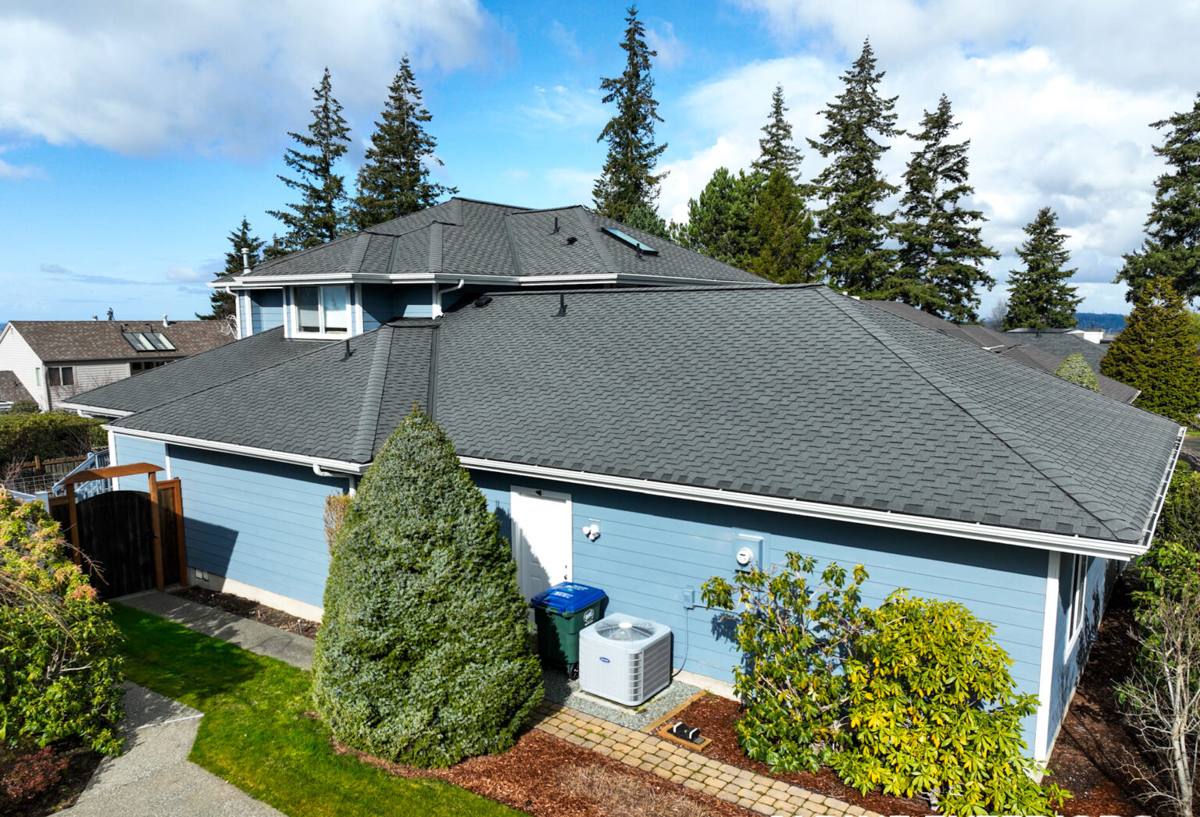
What King County's Climate Does to an Under-Built Deck
Salt-tinged, moisture-heavy air, frequent driving rain, and a moss season that can stretch from fall through spring are the three factors we design around on every deck in this part of King County. None of them are dramatic on their own, but together they create a slow, steady wear pattern that shows up in predictable places.
- Ledger board rot: Where the deck attaches to the house is the single most common failure point we find on older decks — water gets behind improperly flashed ledgers and rots the rim joist from the inside out.
- Moss and algae on decking: A long moss season means any deck surface that doesn't drain and dry quickly will host green growth that makes boards slick and traps moisture against the wood.
- Corroded fasteners: Humid, salt-influenced air accelerates corrosion on hardware that isn't rated for it, which weakens connections at joists, posts, and railings well before the wood itself fails.
- Post-base rot: Posts set directly in soil or sitting flush on concrete without a standoff wick up moisture and rot from the bottom, often invisibly, until the deck feels spongy underfoot.
- Footing movement: Freeze-thaw cycles are milder here than inland, but repeated saturation and drainage below a footing can still cause settling over time if footings weren't sized and placed correctly.
None of these are exotic problems. They're the ordinary result of a deck built for a drier climate, or built quickly without the flashing, fastener, and drainage details that this part of Washington actually requires.
The Details That Matter Most Here
Ledger Flashing and House Connection
Every deck that attaches to the house needs a properly integrated flashing system — not just a bead of caulk — so that water running down the siding is directed away from the ledger board rather than behind it. This is the detail we check first on any deck we're asked to repair or replace, because it's the one most often skipped or done poorly, and it's the one that causes structural rot you can't see until it's advanced.
Fasteners and Hardware
We use corrosion-resistant, code-rated fasteners and structural connectors throughout — joist hangers, post bases, and screws that are rated for ground contact and treated lumber, not standard hardware that will corrode and weaken within a few wet seasons. This is a small material cost difference that has an outsized effect on how long the frame stays sound.
Drainage Below and Around the Deck
Water needs somewhere to go once it passes through or off the deck. That means grading away from the house at ground level, gapping decking boards correctly for airflow and drainage, and, where a deck sits low to the ground or over living space, considering an under-deck drainage system so the space below stays usable and dry.
Post Bases and Footings
Posts should sit on elevated, code-compliant bases that keep the wood end grain off wet concrete or soil, and footings need to be sized and set below frost depth per King County building requirements. This is not the place to cut corners — it's the part of the deck you'll never see again once it's built, which is exactly why it has to be right the first time.
Choosing a Decking Material for This Climate
There's no single "right" decking material for every home — the right choice depends on budget, maintenance appetite, and how much sun or shade the deck gets. Here's how the common options actually perform under Rainier Valley's rain and moss conditions.
| Material | Moss/Moisture Behavior | Maintenance | Typical Lifespan |
|---|---|---|---|
| Pressure-treated lumber | Prone to moss in shaded, damp areas without regular cleaning | Annual cleaning and periodic sealing recommended | 15-25 years with upkeep |
| Cedar | Naturally moisture-resistant but still needs airflow to resist moss | Periodic cleaning and refinishing to maintain appearance | 15-25 years with upkeep |
| Composite decking | Resists rot but can still grow surface algae/moss in shaded, low-airflow spots | Occasional washing, no sealing or staining needed | 25-30+ years, manufacturer-dependent |
| PVC/capped decking | Best moisture and moss resistance of the common options | Low — periodic washing only | 25-30+ years, manufacturer-dependent |
Our standard is to size the framing and spacing to manufacturer specifications for whatever material a homeowner chooses, and to be honest about trade-offs — composite and capped boards cost more up front but reduce the ongoing maintenance burden that wood decking carries in this climate, particularly in shaded yards where moss season lasts longest.
Our Deck Building Process
- On-site assessment: We look at drainage, sun/shade exposure, house siding condition at the attachment point, and grade before recommending a design.
- Design and permitting: We handle the structural plan and King County permitting requirements so the deck is built to code, not just to look right.
- Framing with climate-appropriate hardware: Ledger flashing, corrosion-resistant fasteners, and properly based posts and footings go in first, before any decking is installed.
- Decking installation: Boards are installed with correct spacing and fastening for the chosen material, so airflow and drainage work as designed.
- Railings and final details: Railing systems are installed to code height and spacing requirements, with hardware matched to the same corrosion standard as the frame.
- Walkthrough: We go over basic maintenance — cleaning frequency, what to watch for at the ledger and post bases — so the deck stays in the condition it was built in.
Repair, Replace, or Rebuild?
Not every deck problem means starting over. If the framing and footings are sound and the issue is surface-level — worn decking, a missing railing detail, a flashing gap at the ledger — a repair or partial rebuild can extend the life of a deck significantly. But if we find rot at the ledger, spongy or rotted posts, or footings that have settled or shifted, patching the surface just delays a bigger problem. We'll tell you plainly which situation you're in before recommending a scope of work.
- Deck feels bouncy or soft in specific spots — usually a framing or post issue, not a decking issue
- Persistent moss or dark staining in the same spots each year — often a drainage or airflow problem
- Gaps, staining, or soft wood where the deck meets the house siding — check the ledger flashing
- Rust streaks around fasteners or connectors — a sign hardware isn't rated for this climate
- Railings that flex or wiggle — a connection issue that's a safety concern, not just cosmetic
Why Local Experience Matters for This Job
A deck contractor who mostly works drier inland climates will often under-spec flashing, drainage, and hardware simply because they haven't had to solve for King County's rain patterns and moss season on a regular basis. Working in Rainier Valley and the surrounding area means we see the same failure points repeatedly — which ledger details fail first, which post-base setups actually keep water out, which decking materials hold up in shaded yards versus full sun — and we build to account for them from the start rather than learning it after a callback.
We also know the practical side of building here: how King County permitting and inspection requirements apply to deck projects, and how to sequence a build around the rain rather than fighting it.
Get a Straightforward Estimate
If you're planning a new deck, replacing an aging one, or trying to figure out whether a problem area needs a repair or a full rebuild, we're glad to take a look and give you an honest assessment. Use the form below to request a free, no-pressure estimate for your Rainier Valley property.