 King County
 Why Window Installation in Bellevue Is Different From a Catalog Job
Bellevue sits in the Puget Sound climate zone, which means windows here deal with a lot more than sunshine and temperature swings. Long stretches of driving rain, heavy tree cover in many neighborhoods, and marine-influenced humidity all put steady pressure on window frames, sills, and the seals around them. Add in King County's mossy, damp winters, and it's easy to see why a window that was installed casually — even a good-quality window — can start failing years before it should.
A correct installation isn't just about setting a new window into an old opening. It's about managing water, air, and moisture around that opening so the wall assembly behind it stays dry for the life of the house. That's the part homeowners rarely see, and it's the part that separates a window that lasts fifteen years from one that lasts forty.
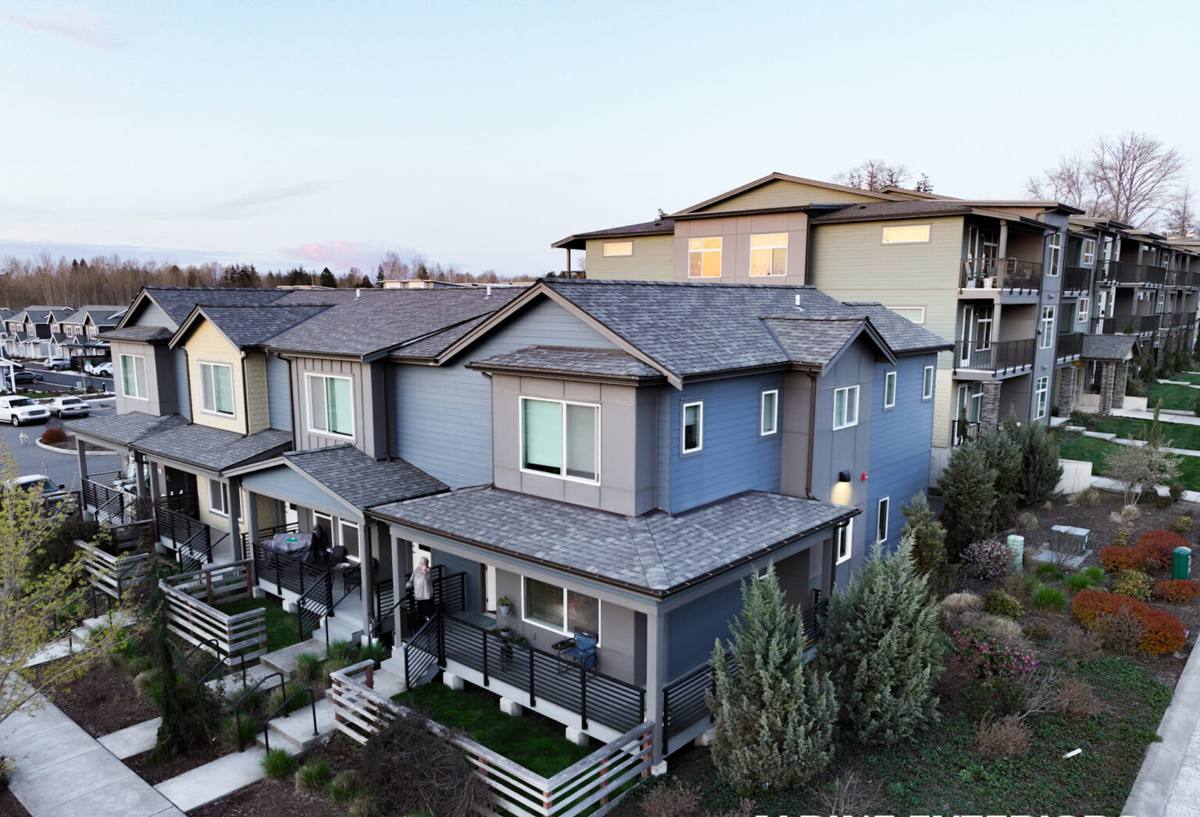
What Bellevue's Climate Actually Does to Windows
Driving Rain and Wind-Driven Moisture
Storms coming off the Sound don't just fall straight down — wind pushes rain sideways into siding and window trim. Without proper flashing and water-shedding details, that moisture finds its way behind the window frame and into the wall cavity, where it can sit for months without anyone noticing.
Shade, Moss, and Slow Drying
Many Bellevue lots have mature trees and landscaping close to the house, which keeps window trim and sills shaded and slow to dry after rain. That extended damp period is exactly what moss, mildew, and wood rot need to take hold. Windows on the north or shaded side of a home are usually the first to show problems.
Marine Air and Hardware
King County's proximity to Puget Sound means the air across the region carries some salt content, especially closer to the water. Over time that air can accelerate corrosion on cheaper hardware, hinges, and fasteners — one more reason material choice and installation details matter more here than in a dry inland climate.
Temperature Swings and Seal Fatigue
Bellevue doesn't see extreme heat or cold, but the repeated freeze-thaw and warm-cool cycling through fall and winter still stresses caulking, weatherstripping, and insulated glass seals. Older sealants that were fine for a few years start to crack and let moisture and air through, which shows up as fogging, drafts, or condensation.
Signs a Bellevue Home Needs New Windows or a Reinstall
- Fog or moisture trapped between panes of double- or triple-glazed glass — the seal has failed and can't be repaired, only replaced
- Visible gaps, soft or discolored wood, or peeling paint around the frame and sill
- Windows that are hard to open, close, or lock, or that no longer sit flush in the frame
- A noticeable draft near the window even when it's fully closed
- Rising heating bills without any other clear explanation
- Moss or dark staining building up on the sill or exterior trim year after year
- Condensation forming on the inside of the glass regularly during cooler months
Any one of these on its own might just need minor maintenance. Several together, especially on a home more than 20 years old, usually point to windows or their surrounding flashing reaching the end of their service life.
What a Correct Window Installation Actually Involves
Swapping glass and frame is the easy part. The details that determine whether a window performs for decades happen in the rough opening, before the new window ever goes in.
Removing the Old Window Without Damaging the Opening
Old windows, siding, and trim are removed carefully so the rough opening, sheathing, and weather-resistive barrier underneath can be inspected. This is often the first time hidden rot, soft framing, or old water damage becomes visible — and it needs to be dealt with before anything new goes in, not covered over.
Flashing and Water Management
Every opening gets flashed so water is directed out and away from the wall, not into it — sill pan flashing at the bottom, side flashing, and head flashing integrated correctly with the house wrap or building paper above the window. This layered, shingle-style approach is what actually keeps driving rain out, far more than caulk alone ever could.
Setting, Shimming, and Fastening
The window is set level, plumb, and square, shimmed at the correct points so the frame isn't twisted or under stress, then fastened per the manufacturer's specifications. A window installed slightly out of square will bind, leak, or wear its hardware unevenly well before its time.
Insulating and Sealing
The gap between the window frame and the rough opening gets filled with a low-expansion insulating material — never packed tight with fiberglass, which settles and leaves gaps. Interior and exterior sealant beads go in at the specified joints, using sealants rated for the exposure and material involved.
Trim, Siding Tie-In, and Cleanup
Exterior trim and siding are reinstalled or replaced so the window integrates cleanly with the rest of the wall, interior trim is finished, and the work area is cleaned up — old windows and debris hauled off, not left for the homeowner to deal with.
Choosing the Right Window Material for a Bellevue Home
There's no single "best" window material — the right choice depends on the home's exposure, budget, and how much upkeep the homeowner wants to take on. Here's how the common options compare for King County's climate:
| Material | How It Handles Bellevue's Climate | Maintenance |
|---|---|---|
| Vinyl | Won't rot, doesn't need painting, handles moisture well; performs consistently in wet, shaded conditions | Low — occasional cleaning |
| Fiberglass | Very stable in temperature swings, strong moisture resistance, holds paint well if a custom color is wanted | Low |
| Wood-clad | Warm interior look with a protective exterior shell; still relies on the cladding and seals staying intact to keep the wood dry | Moderate — watch joints and seals |
| Aluminum | Durable but conducts heat and cold readily and can be prone to condensation without a thermal break; less common as a primary choice here | Low, but condensation-prone |
For most Bellevue homes, vinyl and fiberglass offer the most reliable long-term performance against the region's rain and moisture without demanding ongoing maintenance. Wood-clad windows remain a popular choice where a specific interior finish matters, as long as the homeowner understands the exterior cladding and seals need to stay in good condition to protect the wood underneath. We'll walk through the honest trade-offs of each option for your specific home rather than pushing one product line.
How Our Installation Process Works
- On-site assessment — we look at the existing windows, framing, and any signs of moisture or rot before quoting anything
- Measurement and product selection — exact sizing and material/glass selection based on the home's exposure and your priorities
- Old window and trim removal — done carefully to protect the opening and check the condition of the framing underneath
- Repair of any hidden damage — soft wood or compromised sheathing gets addressed before the new window goes in, not hidden
- Flashing and water barrier installation — sill pan, side, and head flashing integrated with the existing weather barrier
- Setting the window — leveled, plumbed, squared, shimmed, and fastened correctly
- Insulating and sealing — low-expansion foam and appropriate sealants at every joint
- Trim and siding tie-in — exterior finished so it sheds water and matches the home
- Final walkthrough — operation checked, sightlines confirmed, and the site cleaned up before we call it done
What Affects the Cost of Window Installation
Every home is different, so exact pricing depends on a walkthrough, but these are the factors that typically move the number:
| Factor | Why It Matters |
|---|---|
| Number and size of windows | More or larger windows mean more material and labor |
| Material and glass package | Vinyl, fiberglass, and wood-clad carry different material costs; double vs. triple-pane glass adds cost and performance |
| Full-frame vs. insert replacement | Full-frame replacement (down to the studs) costs more than an insert into a sound existing frame, but is sometimes necessary if there's rot or the frame is out of square |
| Hidden damage | Rotted sheathing or framing found during removal adds repair scope that couldn't be quoted sight-unseen |
| Access and story height | Second-story or hard-to-reach windows take more time and equipment |
| Trim and siding tie-in | Matching existing trim or siding profiles can add labor depending on the home's exterior |
We'll give you a clear, itemized quote after seeing the actual windows and opening conditions — not a generic per-window number that doesn't account for your home.
Why a Crew That Already Works in Bellevue Makes a Difference
Window installation done wrong doesn't usually fail in the first year — it fails quietly, three or five years later, when water that's been getting behind the trim finally shows up as a soft spot or a stain. A crew that regularly works in Bellevue and the surrounding King County area has already seen how local exposure — shade, tree cover, driving rain patterns — plays out on real houses, and installs accordingly instead of following a generic checklist.
Local experience also means fewer surprises on permitting, inspection expectations, and the kind of framing and siding common in Bellevue's housing stock across different eras of construction. That familiarity translates into fewer change orders, fewer callbacks, and a job that's sequenced correctly the first time.
Maintaining New Windows After Installation
A properly installed window still benefits from basic upkeep, especially in a climate that stays damp for much of the year:
- Rinse pollen, moss spores, and grime off glass and frames a couple of times a year
- Check exterior caulk lines annually for cracking or separation, particularly after the first year as materials settle
- Clear debris and leaves from sills and tracks so water can drain rather than pool
- Operate hardware (locks, hinges, cranks) periodically so it doesn't seize from disuse
- Trim back vegetation that keeps trim and sills shaded and slow to dry
- Watch for any new drafts, fogging, or sticking, and address them early rather than waiting
None of this is demanding, but skipping it is how small issues turn into bigger repairs down the line.
Get a Straight Answer About Your Windows
If you're dealing with drafty, foggy, or hard-to-operate windows, or you're just not sure whether repair or replacement makes sense for your Bellevue home, we're happy to take a look and give you an honest read — no pressure, no upsell. Fill out the form below for a free estimate.