 King County
 Roofing in Capitol Hill Isn't a Generic Job
Capitol Hill sits close enough to Puget Sound and Lake Washington that homes here deal with a mix of moisture problems most inland King County neighborhoods don't see quite as often. Salt-tinged air moving in off the water accelerates corrosion on fasteners, flashing, and metal components. Driving rain off the Sound doesn't fall straight down — it comes in sideways during winter storms, which means it finds every weak seam, lifted shingle tab, and gap in flashing that a calmer climate would never expose. And the long, wet moss season that runs from fall through spring gives organic growth months to take hold on any roof that isn't shedding water and drying out efficiently.
A new roof installed without those specifics in mind might look fine for a year or two. The problems show up later — in rot under the decking, in granule loss that ages a roof faster than its warranty assumes, or in moss mats that hold water against the surface long after the rain has stopped. A correct installation on a Capitol Hill home accounts for all of this from the first day of tear-off, not as an afterthought.
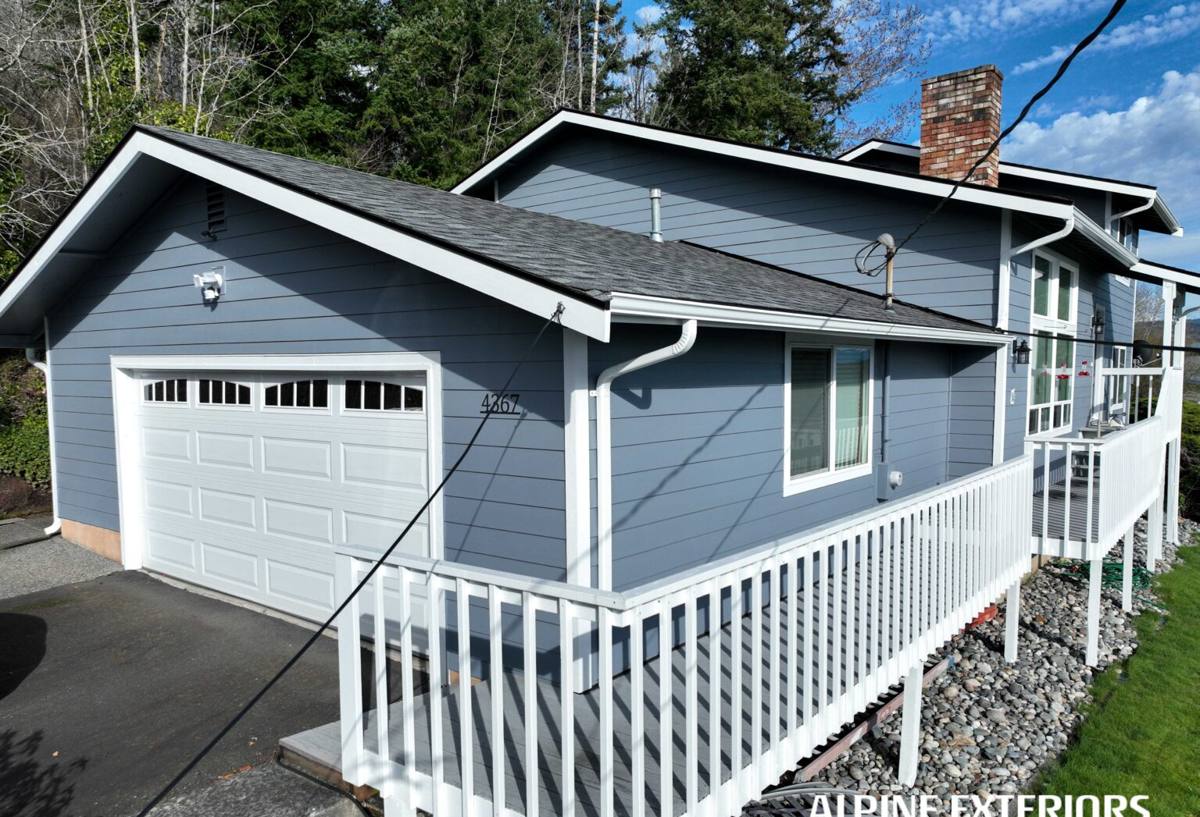
What a Correct New Roof Installation Actually Involves
"New roof" gets used loosely. A proper installation is a sequence of steps, and skipping or rushing any one of them is where most roof failures start.
Tear-Off and Deck Inspection
We remove the old roofing down to the deck rather than layering over it. That's the only way to actually see the plywood or plank sheathing underneath — and on older Capitol Hill homes, it's common to find sections softened by long-term moisture intrusion that were hidden under the old material. Soft or delaminated decking gets replaced, not patched over, because a new roof fastened into compromised wood won't hold fasteners properly no matter how good the shingles are.
Underlayment and Ice/Water Protection
Given how much sustained rain this area gets, we don't treat underlayment as a formality. Vulnerable areas — eaves, valleys, and low-slope transitions — get a self-adhering waterproof membrane, with synthetic underlayment across the rest of the field for a tougher, better-draining secondary barrier than old-style felt.
Flashing
Flashing around chimneys, walls, skylights, and vent penetrations is where the majority of roof leaks actually originate, not in the field of the shingles themselves. We install new flashing as part of every new roof, formed and stepped correctly rather than reused or caulked over old metal.
Field Material Installation
Whatever roofing product is going down, it gets installed to the manufacturer's nailing pattern and exposure specs exactly — not "close enough." Under-nailing or over-driving fasteners is a common cause of premature wind and rain damage, and it's invisible until something goes wrong.
Choosing the Right Roofing System for This Climate
There's no single "best" roofing material for every Capitol Hill home — it depends on the roof's slope, the home's age and structure, and how much long-term maintenance the owner wants to take on. Here's how the common options compare for this specific climate:
| Material | Moss/moisture resistance | Maintenance | Typical lifespan |
|---|---|---|---|
| Asphalt composition shingle | Good with proper ventilation; needs periodic moss treatment | Low to moderate | 25–30 years |
| Metal (standing seam or panel) | Sheds water and resists moss growth very well | Low; watch fastener corrosion near the water | 40–50+ years |
| Synthetic/composite shingle | Strong moisture resistance, resists organic growth | Low | 30–50 years |
| Wood shake | High moss/moisture exposure risk in this climate | High — regular treatment and inspection required | 20–30 years, shorter if undermaintained |
We'll talk through the trade-offs honestly during an estimate. Metal and synthetic systems generally cost more upfront but ask less of you over the life of the roof in a climate like this one. Asphalt composition remains a solid, budget-friendly choice as long as ventilation and moss prevention are handled correctly from installation onward. Wood shake can look great, but it's the option that demands the most ongoing attention given how much moisture this area holds through the fall and winter.
Ventilation and Moisture Control — the Overlooked Half of the Job
A roof's ability to shed water on the outside matters just as much as its ability to move air on the inside. Poor attic ventilation traps warm, moist air against the underside of the deck, which contributes to rot, mold, and — over time — the same conditions that let moss and algae flourish on the surface above. Balanced intake (soffit vents) and exhaust (ridge or roof vents) keep air moving through the attic space so the deck stays dry and roofing materials age the way they're supposed to. On a new roof installation, this is the point to fix ventilation that was undersized or blocked on the old roof — not something to revisit five years later when problems surface.
Our Installation Process, Start to Finish
- On-site assessment — we inspect the existing roof, attic ventilation, and any visible trouble spots, and measure the roof for an accurate material estimate.
- Written estimate — a clear scope of work and price, including material options, so there's no ambiguity about what's included.
- Permitting — we handle the permit process required for roof replacement work in Seattle and King County.
- Tear-off and deck inspection — old roofing removed, deck inspected and repaired as needed.
- Underlayment, flashing, and ventilation work — the parts of the job that determine how the roof performs over the next few decades, not just how it looks the first year.
- Material installation — installed to manufacturer specification, with attention to fastening pattern, exposure, and detail work at every penetration.
- Final walkthrough and cleanup — magnetic sweep for debris, site cleanup, and a walkthrough so you know exactly what was done.
Moss, Algae, and the Long-Term Maintenance Reality
No roofing material is completely maintenance-free in a climate that stays damp and shaded for months at a stretch. What changes with a correctly installed new roof is how much maintenance it actually needs, and how forgiving it is if that maintenance slips for a season. A few things worth knowing as a homeowner:
- Moss growth is a moisture and shade issue as much as a roofing material issue — trees overhanging the roof and poor drainage both make it worse regardless of what's on top.
- Zinc or copper strips near the ridge can help suppress moss regrowth on many roofing types when installed correctly.
- Pressure washing shingles is generally a bad idea — it strips protective granules and shortens the roof's life. Gentle removal methods are safer.
- Gutters clogged with needles and debris back water up under the roof edge, which is a common, preventable cause of edge rot.
- An annual look at the roof — even just from the ground or a ladder at the eaves — catches small problems while they're still small and cheap to fix.
Permits, Codes, and Working in a Dense Urban Neighborhood
Capitol Hill is a dense, largely built-out neighborhood with a mix of older single-family homes, converted multi-unit buildings, and townhomes on tight lots. That density brings practical realities to a roofing project: limited staging space, shared walls or narrow setbacks, and in some cases older framing that wasn't built to current code loads or ventilation standards. Roof replacement in Seattle requires permitting, and older homes sometimes reveal code-related items — like inadequate ventilation or non-conforming flashing details — that need to be addressed as part of the work. We handle the permit process and account for tight-lot logistics as a normal part of planning the job, not as a surprise mid-project.
Why Hiring a Crew That Already Works Capitol Hill Matters
A roofing crew that regularly works this specific neighborhood already knows what an older Capitol Hill roof deck tends to look like under the shingles, how the local permitting process runs, and which detailing choices actually hold up against this area's combination of salt air, wind-driven rain, and a moss season that doesn't let up for half the year. That's different from general roofing experience. It means fewer surprises during tear-off, a scope of work that's realistic from the estimate stage, and a finished roof that's built for the climate it actually has to survive — not a generic install dropped into a neighborhood the crew has never worked before.
Get an Honest Look at Your Roof
If your roof is aging, showing moss buildup, or you're just planning ahead, we're happy to take a look and give you a straightforward, no-pressure estimate — including what condition your roof is really in and what your material options look like for a Capitol Hill home. Use the form below to get started.