 King County
 Roof Replacement Built for Fremont's Weather, Not Just Any Roof
Fremont sits close enough to the water that salt-laden air is a constant factor, and it sits under the same gray, wet skies that soak the rest of King County for much of the year. That combination is harder on a roof than most homeowners realize. Salt air accelerates corrosion on exposed metal fasteners and flashing. Driving rain finds every gap in aging underlayment. And the long stretch of damp, shaded months each year gives moss and algae months to take hold before a single dry week ever shows up to slow them down.
A roof replacement in this neighborhood isn't just about swapping old shingles for new ones. It's about choosing materials and installation details that actually hold up to this specific mix of conditions, year after year, without turning into a maintenance project of its own.
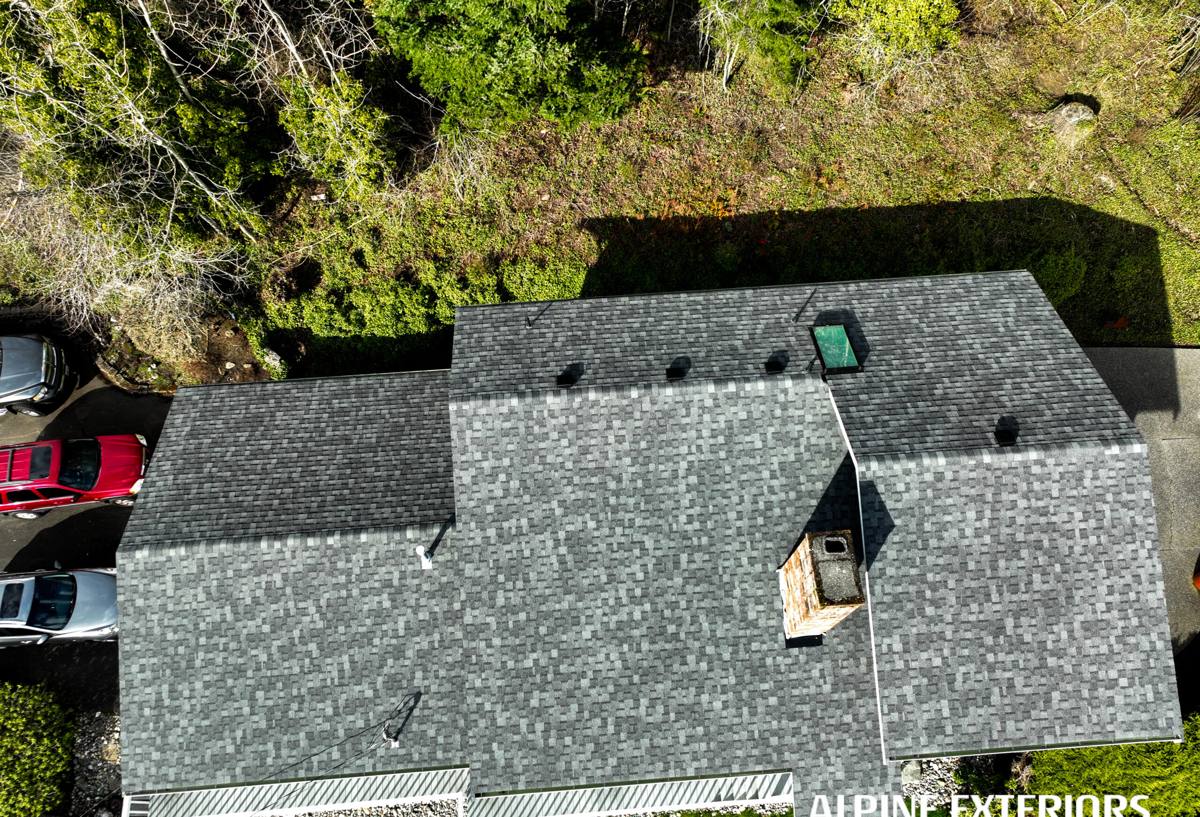
Signs a Fremont Roof Is Telling You It's Done
Roofs rarely fail all at once. They send signals first, and catching them early is the difference between a planned replacement and an emergency one.
- Granules collecting in gutters or at downspout outlets, a sign shingles are wearing thin
- Moss or algae streaking that comes back within weeks of cleaning
- Shingles that are curling, cupping, or losing their flat profile
- Soft spots or sagging when you look down the roofline from the ground
- Daylight visible through the attic roof deck, or damp insulation below it
- Flashing around chimneys, vents, or valleys that's rusted, lifted, or caulked over repeatedly
- Interior ceiling stains that show up after heavy rain, even if they dry out afterward
- A roof that's simply reached the back half of its expected lifespan for its material
Any one of these on its own might just mean a repair. Several at once, especially on a roof already past 20 years old, usually means repairs are just delaying the inevitable.
What a Correct Roof Replacement Actually Involves
A roof replacement done right is a full system rebuild, not a cosmetic layer swap. Skipping any of these steps is how a brand-new roof ends up with the same problems as the one it replaced.
Full Tear-Off, Not an Overlay
We remove the old roofing down to the deck rather than layering new shingles over old ones. An overlay hides rot, soft decking, and damaged flashing instead of fixing it, and it voids most manufacturer warranties. Tear-off also lets us actually see the condition of the sheathing underneath, which matters a great deal in a climate where slow moisture intrusion can go unnoticed for years.
Deck Inspection and Repair
Any soft, delaminated, or water-stained plywood or planking gets replaced before new roofing goes down. A new roof over a compromised deck is a roof that's already failing.
Underlayment That Matches the Job
Given how much sustained rain this region sees, we use synthetic or ice-and-water membrane underlayment at valleys, eaves, and other vulnerable transitions, not just the minimum felt a manufacturer will warranty against. This is one of the most overlooked details in a cut-rate roofing job.
Flashing and Metal Details
Given the salt air Fremont sees, flashing material and fastener choice matters more here than in a dry inland climate. We favor corrosion-resistant metals and proper step and counter-flashing at every wall, chimney, and skylight intersection rather than relying on sealant to bridge the gaps.
Ventilation
Balanced intake and exhaust ventilation keeps the attic close to outdoor temperature and moisture levels, which reduces the condensation that feeds rot and shortens roof life from underneath. A roof can be installed perfectly and still fail early if the attic beneath it is trapping moisture.
Comparing Roofing Materials for Fremont Conditions
Every material has trade-offs. What matters is picking one that matches your home, your budget, and the maintenance you're realistically willing to keep up with in a wet, moss-prone climate.
| Material | Typical Lifespan | Moss & Moisture Behavior | Maintenance Level |
|---|---|---|---|
| Asphalt composition shingle | 20-30 years | Susceptible to moss and algae without algae-resistant granules; needs periodic cleaning | Low to moderate |
| Architectural/dimensional shingle | 25-35 years | Better shedding profile, still benefits from algae-resistant granules | Low to moderate |
| Metal (standing seam or panel) | 40-60 years | Sheds water and moss very well; corrosion resistance depends on coating quality near salt air | Low |
| Cedar shake | 20-30 years with upkeep | Holds moisture and is prone to moss and rot without regular treatment | High |
| Synthetic/composite shingle | 30-50 years | Resists moisture absorption; good moss resistance | Low |
We generally steer clients toward algae-resistant asphalt, metal, or composite systems over untreated cedar for Fremont roofs. That's not a knock on cedar as a material; it's a recognition that this climate demands upkeep cedar rarely gets once a roof is a few years old, and the moisture retention that comes with neglect is exactly what shortens a roof's life here.
Moss and the Long Wet Season: Why It's Not Just Cosmetic
Moss on a roof looks like a surface problem, but it behaves like a structural one over time. Moss holds water against the roofing surface long after the rest of the roof has dried, and that sustained moisture works its way under shingle edges, degrades granule adhesion, and eventually finds its way to the deck. Because King County's wet season stretches across so much of the year, moss here gets a head start most drier regions never give it, and it rarely stops on its own.
A replacement is the right time to address this at the source: proper shingle selection, zinc or copper strips at the ridge where appropriate, and a roof plane and gutter system that actually sheds water instead of holding it.
Our Replacement Process
- On-site assessment — we inspect the existing roof, decking, flashing, and attic ventilation, and photograph problem areas so you can see exactly what we see.
- Written scope and estimate — a clear breakdown of materials, labor, and what's included, with no vague allowances.
- Material selection — we walk through the trade-offs above based on your home, budget, and how it will hold up specifically in Fremont's climate.
- Tear-off and deck repair — full removal of old roofing, with any damaged sheathing replaced and documented.
- Underlayment, flashing, and ventilation install — the parts of the job that don't show but determine how long the roof actually lasts.
- New roofing installation — installed to manufacturer specification, not shortcut to save labor hours.
- Final walkthrough — we go over the finished roof, gutters, and any warranty paperwork with you before we consider the job done.
Why a Crew That Already Works in Fremont Matters
Roofing crews that work across King County's varied terrain and building stock learn things a crew working from a generic playbook doesn't: how local wind patterns off the water push driving rain into specific roof planes, which flashing details actually hold up to years of salt air rather than just passing initial inspection, and how aggressive moss growth gets on north-facing and shaded roof sections in this area. That local pattern recognition shows up in fewer callbacks and a roof that performs the way it was supposed to, not just the way it looked on installation day.
It also means faster, more accurate estimates. A crew that already knows the typical roof pitches, access constraints, and permitting expectations in this part of King County doesn't need to guess at complications, they've already worked around them on other jobs nearby.
What Drives Roof Replacement Cost
Every roof is priced on its own specifics, but a few factors consistently move the number more than homeowners expect.
| Cost Factor | Why It Matters |
|---|---|
| Roof size and number of planes | More area and more valleys/hips mean more material and more labor-intensive flashing work |
| Pitch and access | Steep or hard-to-access roofs require more safety setup and slow the work down |
| Deck condition | Rotted or soft sheathing found during tear-off adds material and labor not visible from the ground |
| Material choice | Asphalt, metal, and composite systems carry different upfront costs and different long-term value |
| Ventilation and flashing upgrades | Bringing older, undersized ventilation or corroded flashing up to a proper standard adds cost but reduces future failures |
| Layers to remove | Tearing off multiple existing layers takes longer and generates more disposal cost than a single-layer tear-off |
We'd rather walk you through these line by line during an estimate than quote a flat number that hides what's actually driving the price.
Get a Straight Answer on Your Fremont Roof
If your roof is showing any of the signs above, or you just want an honest read on how much life it has left, we're glad to come take a look. The estimate is free, there's no pressure attached to it, and you'll walk away with a clear picture of your options either way. Use the form below to get started.