 King County
 Why Kirkland Roofs Take a Beating
Kirkland sits close enough to Lake Washington and the broader Puget Sound air mass that its roofs deal with a specific combination of stressors: salt-tinged air moving in off the water, wind-driven rain that gets pushed sideways into eaves and flashing, and a moss season that can run eight months or longer in a wet year. None of these alone would wreck a roof quickly. Together, over years, they wear down fasteners, lift shingle edges, and keep roof decking damp longer than it should ever stay damp. When a storm comes through — a windstorm knocking branches loose, a heavy atmospheric river event, or just a run of freeze-thaw nights in late winter — it's rarely the storm itself that causes catastrophic failure. It's the storm finding a roof that was already weakened by slow, ongoing exposure and pushing it past the point where a small problem becomes a leak.
That's the pattern we see most often on storm damage calls in King County: a roof that looked fine from the ground, that had a few years of moss buildup or a couple of loose shingles nobody noticed, and then one bad night of wind and rain turned that into an active leak or a section of missing shingles. Understanding that pattern is the whole reason a storm damage repair should never be treated as a cosmetic patch job — it's an opportunity to find and fix the underlying weak points before the next storm exploits them again.
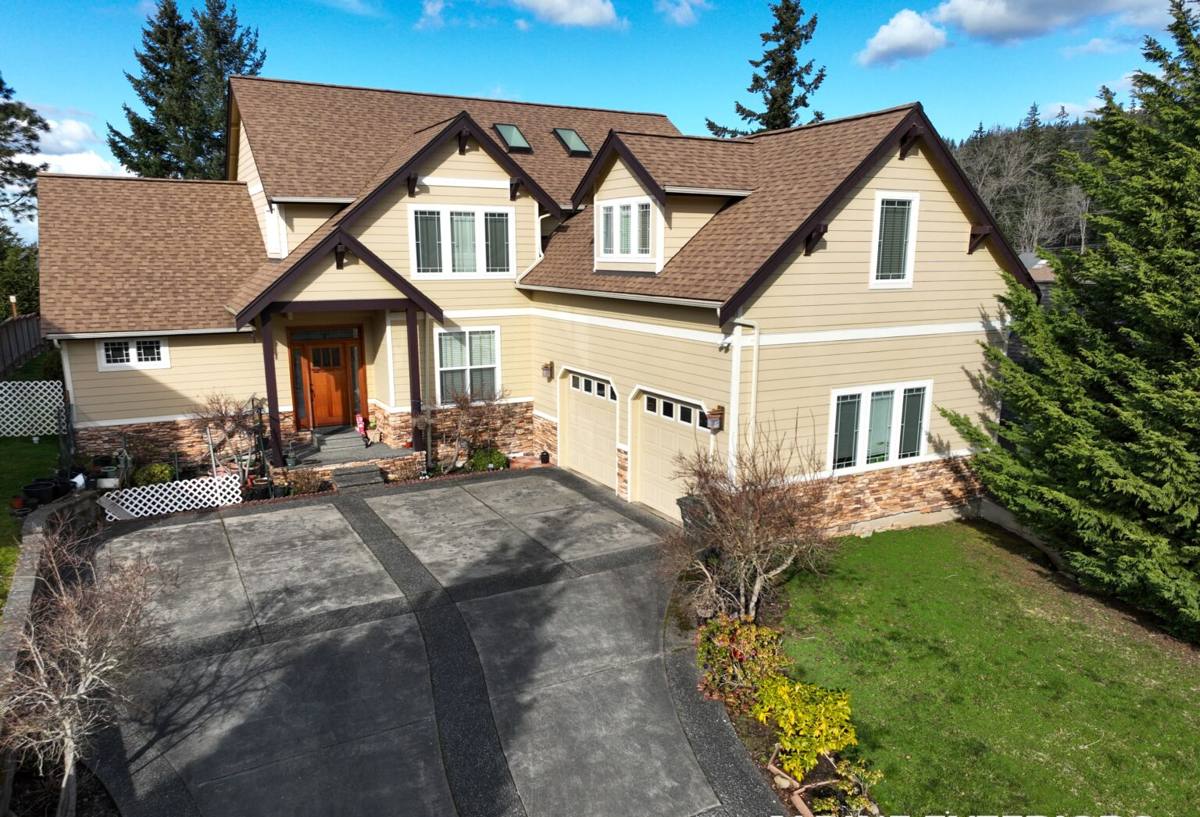
What Actually Counts as Storm Damage
Homeowners often assume storm damage means something dramatic — a tree through the roof, or shingles littering the yard. Sometimes it is that obvious. More often it's subtler, and subtler damage is exactly the kind that gets missed until it turns into a ceiling stain or a soft spot in the decking.
- Wind-lifted or creased shingles that still look intact from the ground but have broken their seal
- Flashing pulled loose or bent around chimneys, skylights, and roof-to-wall transitions
- Granule loss from hail or heavy debris impact, which shows up as bare patches or granules pooling in gutters
- Punctures or gouges from wind-thrown branches and debris
- Gutter and downspout damage that redirects water back under the roof edge instead of away from the house
- Ridge cap shingles cracked or blown off, exposing the roof's most vulnerable seam
The common thread is that most of this is only visible from the roof itself, not from the driveway. That's why a proper storm damage assessment always includes an actual roof walk, not a pair of binoculars from the ground.
The Inspection: What We Actually Look For
A storm damage inspection isn't just confirming there's a leak — it's tracing the leak (or the potential for one) back to its actual source, which is often several feet from where the water shows up inside the house. Water runs downhill along the underside of decking before it finds a gap to drip through, so a stain on a bedroom ceiling might trace back to a flashing failure near the ridge.
On the roof surface
We check every shingle course for lifted tabs, cracked seals, and granule loss, paying particular attention to valleys and any plane that faces the prevailing wind direction, since that's where wind-driven rain concentrates.
At penetrations and transitions
Chimneys, vents, skylights, and roof-to-wall junctions are where the vast majority of leaks originate, storm-related or not. Flashing here takes the brunt of both wind uplift and thermal movement, and it's the first thing we check after any major weather event.
In the attic
If access allows, we look at the underside of the decking for water staining, dark spots, or soft wood — signs of a slow leak that predates the storm but that the storm made worse. This step catches problems a surface inspection alone would miss.
At gutters and drainage
Clogged or damaged gutters don't just overflow — they can force water back up under the first course of shingles, especially during the kind of sustained, heavy rain King County gets several times a winter.
Repair vs. Replace: How We Decide
Not every storm-damaged roof needs a full replacement, and we don't default to recommending one. The decision comes down to the roof's age, the extent of the damage, and whether the damage is isolated or symptomatic of broader wear.
| Factor | Leans Toward Repair | Leans Toward Replacement |
|---|---|---|
| Roof age | Under 12-15 years, asphalt shingle | Approaching or past manufacturer's expected service life |
| Damage extent | Isolated to one section or a handful of shingles | Spread across multiple roof planes |
| Decking condition | Dry, solid decking under the damaged area | Soft or water-stained decking found during inspection |
| Moss/algae history | Minor, surface-level growth | Heavy, longstanding growth that's degraded shingle granules broadly |
| Prior repairs | Roof has had little to no patchwork | Multiple past patches suggest a roof that's been failing gradually |
We'll always give you the honest read on which side of that table your roof falls on, including photos and a plain-language explanation of what we found, before recommending a repair scope.
Our Repair Process, Step by Step
- Assessment and documentation: a full roof walk with photos of every area of concern, including anything relevant for an insurance claim.
- Scope and estimate: a written breakdown of what needs to happen, in plain terms, with the repair vs. replace reasoning included.
- Temporary protection if needed: if there's an active leak or an exposed section, we secure it so the interior of the home isn't taking on more water while a full repair is scheduled.
- Removal of damaged material: compromised shingles, flashing, and any saturated underlayment or decking are pulled out — patching over wet material just seals the problem in.
- Decking repair: any soft or water-damaged decking is replaced before new roofing material goes down. This step gets skipped by corner-cutting repairs and it's the one that determines whether the fix actually lasts.
- Underlayment and flashing: new underlayment and flashing are installed at the repair area, tying properly into the surrounding roof so water has no path to re-enter at the seams.
- Shingle installation and blend: new shingles are matched as closely as possible to the existing roof and installed to manufacturer spec, not just nailed down fast.
- Final walkthrough: we review the completed work with you, including what was found, what was replaced, and what to watch for going forward.
Materials We Use and Why
For storm damage repairs, matching the existing roofing material is usually the right call — mixing shingle brands or profiles on the same roof plane creates uneven wear and can void manufacturer warranties on the surrounding material. Where the existing roof allows it, we use algae-resistant shingle lines given how much moss and algae pressure King County roofs face; the copper or zinc granules in these shingles slow regrowth in a way standard shingles can't. We install flashing in metal, not just asphalt cement, at any transition point — cement-only patches are a common shortcut that fails within a few seasons once it dries out and cracks. Underlayment gets replaced with synthetic or self-adhered membrane at valleys and eaves, since that's where wind-driven rain and ice have the best chance of getting under the shingle layer.
Insurance Claims: What Homeowners Should Know
Many storm damage repairs in King County are at least partially covered by homeowners insurance, particularly when there's a documented wind or storm event. A few things make that process smoother:
- Photograph and document damage as soon as it's safe to do so, before any temporary repairs
- Get a written inspection report with photos from a contractor, not just a verbal estimate
- Understand your policy's distinction between "sudden and accidental" damage (typically covered) and gradual wear or lack of maintenance (typically not)
- Keep records of any prior roof maintenance or repairs, since insurers may ask about roof condition before the storm
We'll provide the documentation you need for a claim, but we don't handle the claim itself or promise a specific settlement outcome — that's between you and your insurer. What we can tell you honestly is whether damage looks storm-related or long-term wear, since that distinction matters to how a claim gets evaluated.
Moss, Debris, and Long-Term Roof Health
Storm repair fixes the immediate problem, but King County's climate means moss and organic debris are a standing threat to any roof, storm or no storm. A roof that's kept clear of moss and debris sheds wind-driven rain far more effectively and holds up better when the next storm hits.
- Keep gutters clear, especially heading into fall when leaf and needle drop is heaviest
- Trim back branches that overhang the roofline — they drop debris and give moss spores a direct path onto shingles
- Have moss physically removed rather than power-washed off, which can strip granules and shorten shingle life
- Check attic ventilation — poor airflow keeps decking damp and accelerates rot from the inside out
- Schedule a roof check after any significant windstorm, even if nothing looks obviously wrong from the ground
Why Local Experience in Kirkland Matters
A crew that works Kirkland and the surrounding King County area regularly knows which roof planes take the worst of the wind off the lake, which neighborhoods tend to hold onto moisture longer under tree cover, and what a genuinely storm-damaged roof looks like versus one that's just showing its age. That local pattern recognition speeds up the inspection and makes the repair-versus-replace call more accurate, because it's informed by dozens of roofs in the same climate rather than a generic checklist. It also means faster response when a storm rolls through and several homes in the area need eyes on their roof at the same time.
If a recent storm has you wondering whether your roof took damage, we're happy to take a look. Reach out for a free, no-pressure estimate using the form below — we'll give you a straight answer about what we find, whether that's a simple repair or nothing to worry about at all.