 King County
 Metal Roofing on a Salt-Air Peninsula
West Seattle sits out on its own peninsula, wrapped by Puget Sound on three sides. That location is part of what makes the neighborhood, but it also means roofs here take a different kind of beating than roofs a few miles inland. Salt-laden air drifts up off the water, driving rain comes in sideways during winter storms, and the tree cover that gives so many West Seattle streets their character also keeps roof surfaces shaded and damp for long stretches of the year. Metal roofing holds up well against all three of those pressures, but only when the panels, fasteners, and flashing details are chosen and installed with this specific climate in mind.
This page is about metal roofing for West Seattle homes specifically — what the local climate demands, what a correct installation actually involves, and how we approach the job from estimate to cleanup.
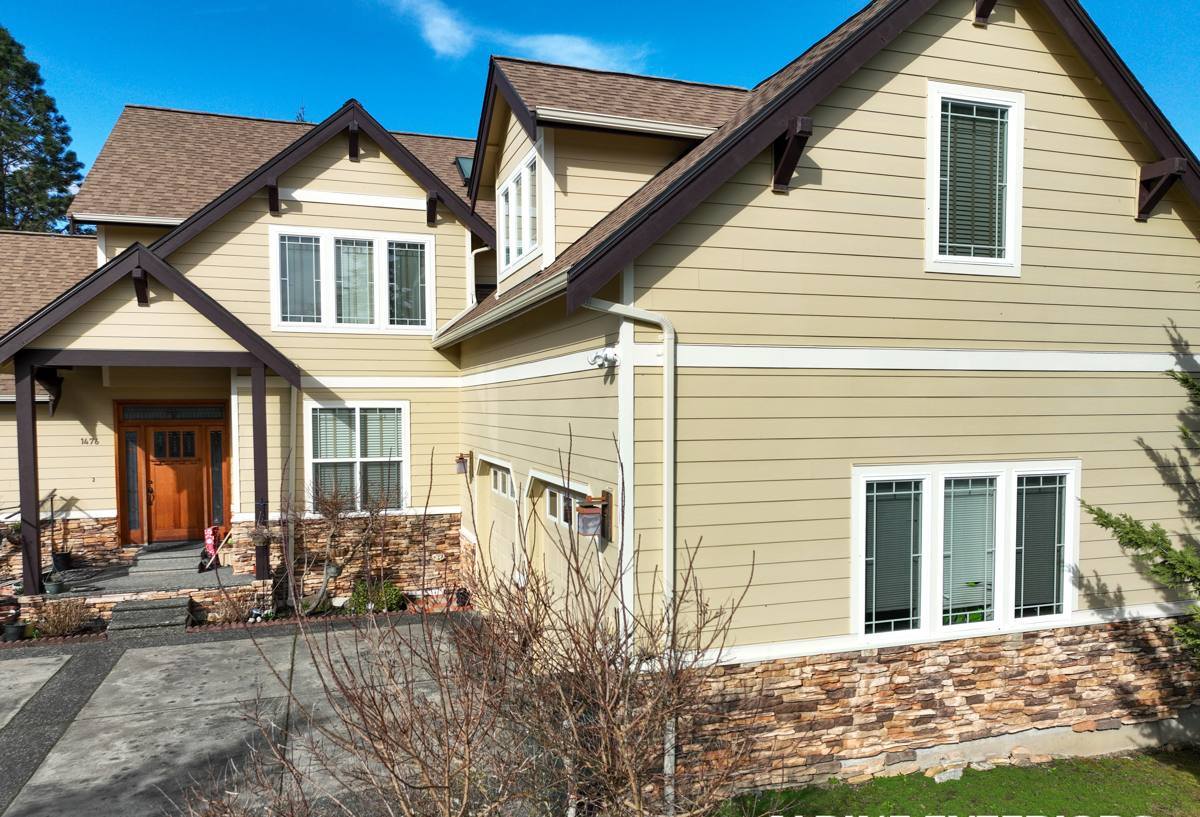
What Salt Air and Moss Season Actually Do to a Roof
Salt Air Near the Sound
Homes closer to the water deal with airborne salt that settles on exposed metal and accelerates corrosion over time, especially at cut edges, exposed fasteners, and any spot where the protective coating has been scratched during installation or a later repair. It's not dramatic — you won't see damage in year one — but it's a steady, cumulative process. The fix isn't avoiding metal roofing; it's choosing the right coating system and finish for a marine-influenced environment and being careful about how the panels are cut, handled, and fastened.
Moss, Shade, and Standing Moisture
King County's wet season runs long, and a lot of West Seattle's tree canopy keeps north-facing and shaded roof slopes damp well after the rest of the roof has dried out. That combination — moisture plus organic debris plus shade — is exactly what moss needs to take hold. On an asphalt shingle roof, moss roots into the granules and lifts them, shortening the roof's life. On a properly installed metal roof, moss has a much harder time gripping the smooth panel surface, but debris can still collect in valleys, at panel laps, and around penetrations if those details aren't designed to shed water and debris cleanly.
Driving Rain and Wind-Driven Water
Storms coming off the Sound don't always drop rain straight down — wind pushes it sideways and up under laps, trim, and flashing that wasn't detailed for that kind of exposure. Standard installation practices that work fine in a drier or more sheltered location can leak here. Every seam, fastener pattern, and flashing detail on a West Seattle metal roof should assume rain will hit it at an angle at some point.
Metal Roofing Options and How They Fit This Climate
Not all metal roofing is the same product wearing different colors. The panel style and finish you choose changes how the roof performs against salt air, moss, and wind-driven rain over its lifespan.
| Panel Type | How It's Fastened | Best Fit For |
|---|---|---|
| Standing seam | Concealed clips, no exposed fasteners through the panel field | Homes closer to the Sound or with significant tree/moss exposure — no exposed screws to corrode or back out |
| Exposed-fastener panel | Screws driven through the panel face into decking or purlins | Budget-sensitive projects, outbuildings, or lower-exposure roof planes where periodic fastener maintenance is acceptable |
| Stone-coated steel | Interlocking panels, hidden fasteners | Homeowners who want a shingle or shake profile with metal's durability underneath |
For most West Seattle homes — especially anything within a mile or two of the water, or under heavy tree cover — we lean toward standing seam because it has no exposed fastener heads for salt air to work on and its raised seams shed water and debris more reliably on shaded, moss-prone slopes. Exposed-fastener panels are a legitimate, lower-cost option, but they need their fasteners checked and occasionally replaced over the years, which matters more in a marine climate than in a dry one.
What a Correct Installation Actually Involves
A metal roof is only as good as what's underneath it and how it's detailed at every transition. The panels themselves are the easy part.
- Underlayment: A high-temperature, self-adhering or synthetic underlayment rated for the freeze-thaw and moisture cycles this region sees, not a bargain felt product.
- Ventilation: Proper intake and exhaust airflow so condensation doesn't build up under the panels — this matters more on metal than on shingles because metal doesn't absorb moisture the way asphalt does.
- Fastener spacing and type: Corrosion-resistant fasteners spaced to the manufacturer's wind and snow-load spec, not stretched out to save material.
- Flashing at every penetration: Chimneys, vents, skylights, and wall-to-roof transitions are where most metal roof leaks actually start — the flashing detail matters as much as the panel itself.
- Valley and eave detailing: Built to move water and debris off the roof quickly, since standing water and trapped leaves are what feed moss growth.
- Panel handling: Cut edges and any scratches in the coating touched up before they become corrosion starting points, especially important this close to salt air.
Skipping any one of these doesn't show up as a problem right away. It shows up as a leak, a corrosion spot, or a moss patch two or three winters later — which is exactly why the installation details matter more than the brand name on the panel.
Our Process
1. On-Site Evaluation
We walk the roof (or inspect it safely from vantage points when conditions require) to look at slope, shading, existing moss or moisture damage, ventilation, and how exposed the home is to wind and salt air off the Sound. We also check the decking underneath — metal roofing performs best over sound, dry sheathing, and any rot or soft spots get addressed before panels ever go up.
2. Straightforward Estimate
You get a written estimate that spells out panel type, underlayment, flashing scope, and any decking repair — no vague line items. We'll walk you through the tradeoffs between standing seam and exposed-fastener panels for your specific roof rather than just quoting the cheapest option.
3. Installation
We protect landscaping and gutters, tear off and dispose of the old roofing, repair decking as needed, and install underlayment, flashing, and panels to manufacturer spec and local code. We don't rush flashing details to hit a faster timeline — that's the part of the job that determines whether the roof leaks in year three.
4. Final Walkthrough and Cleanup
We do a full site cleanup, including a magnetic sweep for stray fasteners, and walk the finished roof with you so you know what maintenance, if any, it'll need going forward.
Maintenance in a Marine, Mossy Climate
Metal roofing is low-maintenance compared to shingles, but "low" isn't "none," especially here. A short annual check keeps a well-installed metal roof performing for decades.
- Clear leaves, needles, and debris from valleys and gutters before the fall rains set in
- Trim back overhanging branches that keep shaded roof sections damp and feed moss growth
- Check exposed fasteners (if that panel type was used) for backing out or early corrosion
- Look at flashing around chimneys, vents, and skylights for gaps after major windstorms
- Rinse off any visible moss or algae growth with plain water and a soft approach — no pressure washing, which can damage seams and coatings
- Confirm attic ventilation isn't blocked by insulation or debris
Cost Factors to Expect
Metal roofing costs more upfront than asphalt shingles, and the final number depends on more than just square footage.
| Factor | Why It Matters |
|---|---|
| Panel type | Standing seam runs higher than exposed-fastener panels due to labor and material |
| Roof complexity | Steep slopes, multiple valleys, and dormers add labor and flashing work |
| Decking condition | Rot or soft sheathing found during tear-off adds repair cost but is not optional to skip |
| Tear-off vs. overlay | Removing old roofing first (recommended here) costs more than overlaying but avoids trapping moisture |
| Access and site conditions | Steep lots, limited driveway access, or mature trees near the roofline affect staging and labor time |
We'd rather give you an honest range during the on-site evaluation than a number over the phone that changes once we're up on the roof.
Why Hire a Crew That Already Works West Seattle
A metal roof installed by a crew unfamiliar with this peninsula's conditions can still fail — not because metal roofing doesn't work here, but because generic installation practices don't account for salt exposure, shaded moss-prone slopes, and wind-driven rain off the Sound. A crew that regularly works West Seattle roofs already knows which slopes tend to hold moisture, how far salt air exposure typically reaches inland, and which flashing details actually hold up through a King County winter. That local pattern recognition is the difference between a metal roof that needs attention in five years and one that's still doing its job in thirty.
If you're weighing metal roofing for a West Seattle home, we're happy to take a look and walk you through what your specific roof needs — no pressure, no obligation. Fill out the form below to schedule a free estimate.