 King County
 Board & Batten in a Neighborhood Built on Strong Architectural Lines
Ballard has a strong architectural identity — a mix of century-old craftsman homes, newer infill construction, and modern farmhouse-style builds that lean on vertical siding to make a statement. Board and batten is one of the most requested exterior styles here, and for good reason: the vertical lines read as clean and intentional, they pair well with both traditional and contemporary trim packages, and they hold up visually next to the mix of building styles you see block to block in this part of King County.
But board and batten is also one of the least forgiving siding styles when it's installed wrong. The battens create dozens of extra seams, fastener points, and shadow lines compared to standard lap siding, and every one of those details is a place where water can get behind the cladding if the installer cuts corners. In a climate like Ballard's, that matters more than it would somewhere dry.
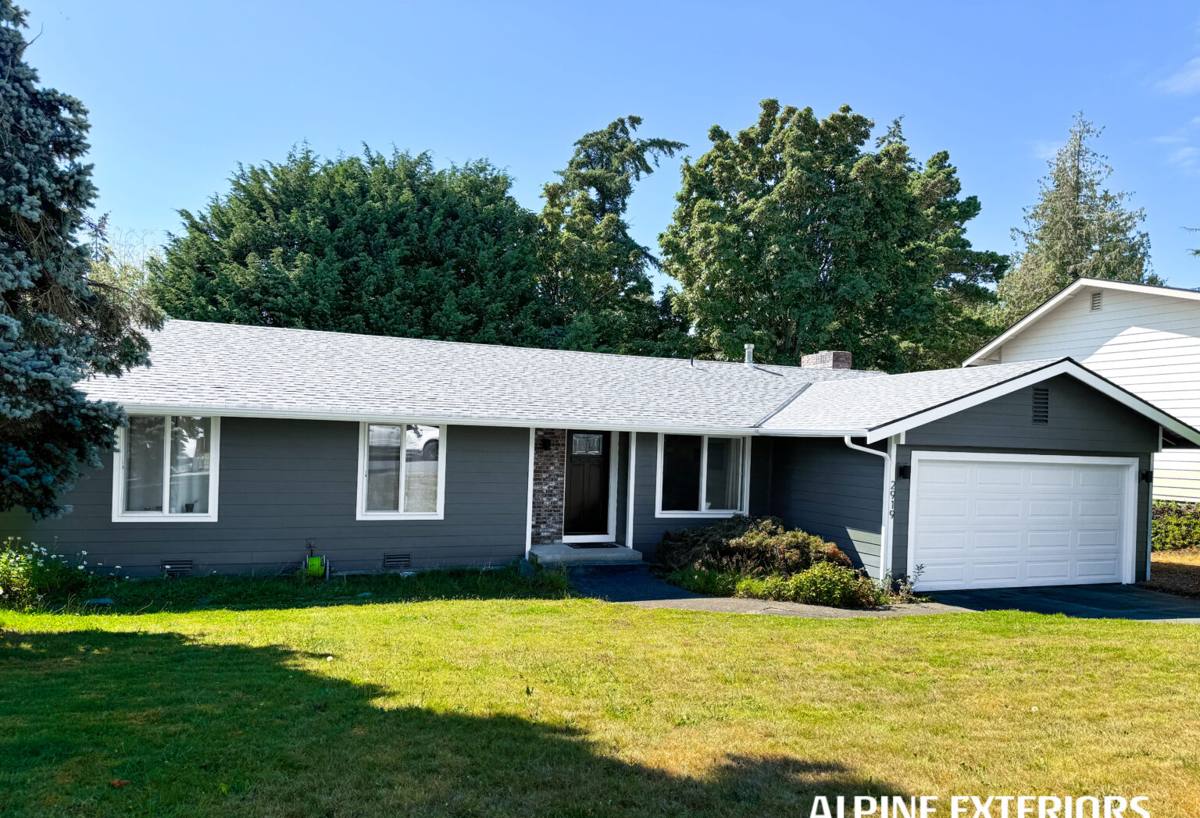
What Ballard's Climate Actually Does to Vertical Siding
Ballard sits close enough to Puget Sound and Shilshole Bay that salt-laden air is a real factor on exterior materials here, not a theoretical one. Combine that with King County's long stretch of driving rain each fall and winter, plus a moss season that can run for months on shaded or north-facing walls, and you have a climate that actively works against any siding product that isn't dimensionally stable and properly sealed.
The Three Things Working Against Your Siding
- Salt air: accelerates corrosion on exposed fasteners and metal trim, and can degrade lower-quality paint finishes faster than inland exposure would.
- Driving rain: wind-driven rain doesn't just hit a wall, it pushes against it — which means every seam, especially the vertical batten joints, needs real flashing and drainage behind it, not just caulk.
- Moss and prolonged moisture: shaded walls and roof lines that stay damp for weeks at a time invite moss and algae growth, which holds moisture against the siding surface and can accelerate wear on materials that aren't built to shed water.
None of this means board and batten is a bad choice for Ballard. It means the material and the installation both have to be right for the environment, because this style has more seams and more opportunity for water intrusion than a standard horizontal lap job.
Why Wood and Engineered-Wood Board & Batten Struggle Here
A lot of the board and batten you'll see around King County was originally built in cedar or primed spruce, and more recently in engineered wood products like LP SmartSide. Those materials can look great on day one. The problem is what happens over years of exposure to the conditions described above: wood-based products absorb moisture at cut edges and fastener penetrations, and once moisture gets in, the freeze-thaw cycles and constant damp of a Pacific Northwest winter go to work on the substrate. Battens are especially vulnerable because they create a huge number of additional edges and fastener points compared to plain panel siding.
We don't install engineered wood or bare wood siding products, including for board and batten applications. It's not that these products can't perform when installed and maintained perfectly — it's that the margin for error is thin, the maintenance burden (repainting, caulk inspection, edge sealing) is ongoing, and in a climate like Ballard's, that margin gets tested every winter. We'd rather put a product on your home that doesn't depend on flawless long-term maintenance to keep water out.
What We Install Instead: James Hardie Fiber Cement
Every board and batten installation we do uses James Hardie fiber cement — vertical HardiePanel with Hardie batten strips, or the Hardie Artisan vertical panel system where a homeowner wants a more refined, tighter-reveal look. Fiber cement doesn't absorb water the way wood or wood-composite products do, it's non-combustible, and it holds paint and factory finish far longer than wood substrates in a marine climate.
What Matters Specifically for a Board & Batten Job
- Dimensional stability: fiber cement doesn't swell and shrink with moisture the way wood does, which matters enormously when you have dozens of vertical battens all needing to stay straight and tight over time.
- ColorPlus factory finish: the color and clear coat are baked on at the factory under controlled conditions, which holds up better against salt air and UV than field-applied paint, and it means cut battens and panels match without touch-up variance.
- HZ5 product engineering: James Hardie's HZ5 line is engineered for the Pacific Northwest's freeze-thaw and moisture cycle, which is the right product tier for King County rather than a product engineered for a drier or warmer climate.
What a Correct Board & Batten Installation Involves
The finished look of board and batten is simple — vertical lines and shadow reveals — but what's happening behind those boards is where the job is actually won or lost. This is where we see the most corner-cutting on past installations we're asked to repair or re-side.
The Non-Negotiables
- Weather-resistive barrier first. A continuous, properly lapped moisture barrier goes on before any siding, with all penetrations sealed.
- Rainscreen or furring where called for. A drainage gap behind vertical siding lets any water that does get past the cladding drain and dry out instead of sitting against the wall sheathing — important given how much driving rain King County sees.
- Correct fastener pattern and spacing. Board and batten has specific nailing requirements at panel edges and batten strips; getting this wrong is the single most common cause of buckling and popped fasteners we see.
- Proper flashing at every horizontal transition. Window heads, roof-to-wall intersections, and any horizontal trim need real metal flashing, not just sealant.
- Manufacturer-specified gaps and sealant. James Hardie specifies exact clearances at butt joints, corners, and trim — these aren't optional details, they're what the product warranty is built on.
Skipping any one of these doesn't necessarily show up right away. It shows up in year three or five, as moss holds moisture against a seam that was never properly flashed, or as a batten strip that's started to bow because it was face-nailed instead of blind-nailed at the right interval. That's the trap with vertical siding — the mistakes hide until they don't.
Our Process for a Ballard Board & Batten Project
We start with a walk-around assessment of the home, paying particular attention to any wall exposed to prevailing wind and rain, and any north- or shade-facing wall where moss has historically been a problem. From there:
- We check the existing sheathing and framing condition once old siding is removed — this is often the first time hidden moisture damage from a prior installation becomes visible.
- We install or verify the weather-resistive barrier and drainage plane before anything else goes up.
- We lay out batten spacing to work with the home's window and trim lines rather than just running a standard interval wall to wall.
- We flash every transition — window heads, roof lines, deck ledgers — before the siding closes it in.
- We finish with James Hardie ColorPlus trim and caulk matched to the manufacturer's specification, not a generic exterior caulk.
We work jobs across King County regularly, and Ballard's mix of older housing stock and newer construction means we're used to both scenarios: matching new siding into an older home's existing envelope, and doing it right the first time on new builds.
Cost Factors on a Board & Batten Job
Board and batten typically costs more per square foot than standard lap siding, mainly because of the extra material (battens) and extra labor (more fastener points, more precise layout). The table below covers what actually moves the number on a given house — we don't publish flat per-square-foot pricing because these factors swing it too much to be honest about a number without seeing the home.
| Factor | Why It Matters |
|---|---|
| Wall condition underneath | Sheathing repair or moisture damage from old siding adds labor before new siding can go up |
| Batten spacing and reveal chosen | Tighter spacing (more battens per wall) increases both material and install time |
| Trim and window detail complexity | More window and corner transitions mean more flashing and cut work |
| Wall height and access | Two-story and steep-site homes, common in parts of Ballard, need more staging and time |
| Panel vs. Artisan system | The Artisan vertical line has a more refined reveal and costs more than standard HardiePanel |
Maintaining Board & Batten in a Marine Climate
Fiber cement dramatically cuts the maintenance burden compared to wood, but "low maintenance" isn't "no maintenance," especially with King County's moss season and salt air in the mix.
- Rinse siding annually, especially shaded and north-facing walls, to keep moss and algae from establishing.
- Keep gutters clear so overflow doesn't run down the wall face and concentrate moisture at specific panels.
- Inspect caulking at trim and batten joints every couple of years — sealant is the one component that does wear out before the siding does.
- Trim back vegetation and tree cover that keeps a wall section shaded and damp longer than the rest of the house.
- Watch for any soft spots, discoloration, or bowing at the bottom few feet of siding, which is the area most exposed to splashback and standing moisture.
Why It Matters That We Already Work in Ballard
A crew that's worked Ballard and the surrounding King County area knows which walls take the brunt of the weather, how moss behaves on the shaded lots common to this area, and what correct flashing looks like against the roof and window styles found on both the neighborhood's older homes and its newer builds. That's not something you can fully substitute with a generic install crew working from a spec sheet — board and batten has too many decision points where local experience changes the outcome.
If you're planning a board and batten project in Ballard, we're happy to take a look at your home and walk you through what a correct installation looks like for your specific walls, exposure, and existing siding condition. Reach out for a free, no-pressure estimate using the form below.