 King County
 Roof Repair Built for Capitol Hill's Climate
Capitol Hill homes deal with a specific combination of weather stress that doesn't show up the same way in drier parts of the country. Wind-driven rain off Puget Sound pushes water sideways into roof details that were never designed to shed water horizontally. Mature tree canopy across the neighborhood keeps large sections of roof shaded for most of the day, which slows drying and gives moss a long runway to establish itself. And King County's wet season stretches across several months, which means a small roofing problem doesn't get a quiet dry spell to reveal itself before it becomes a bigger one.
None of this means Capitol Hill roofs fail faster than roofs anywhere else. It means the failure points are different, and a repair crew that doesn't account for wind-driven rain, shade patterns, and moss cycles will end up chasing the same leak twice. We repair roofs with this climate in mind, not a generic checklist.
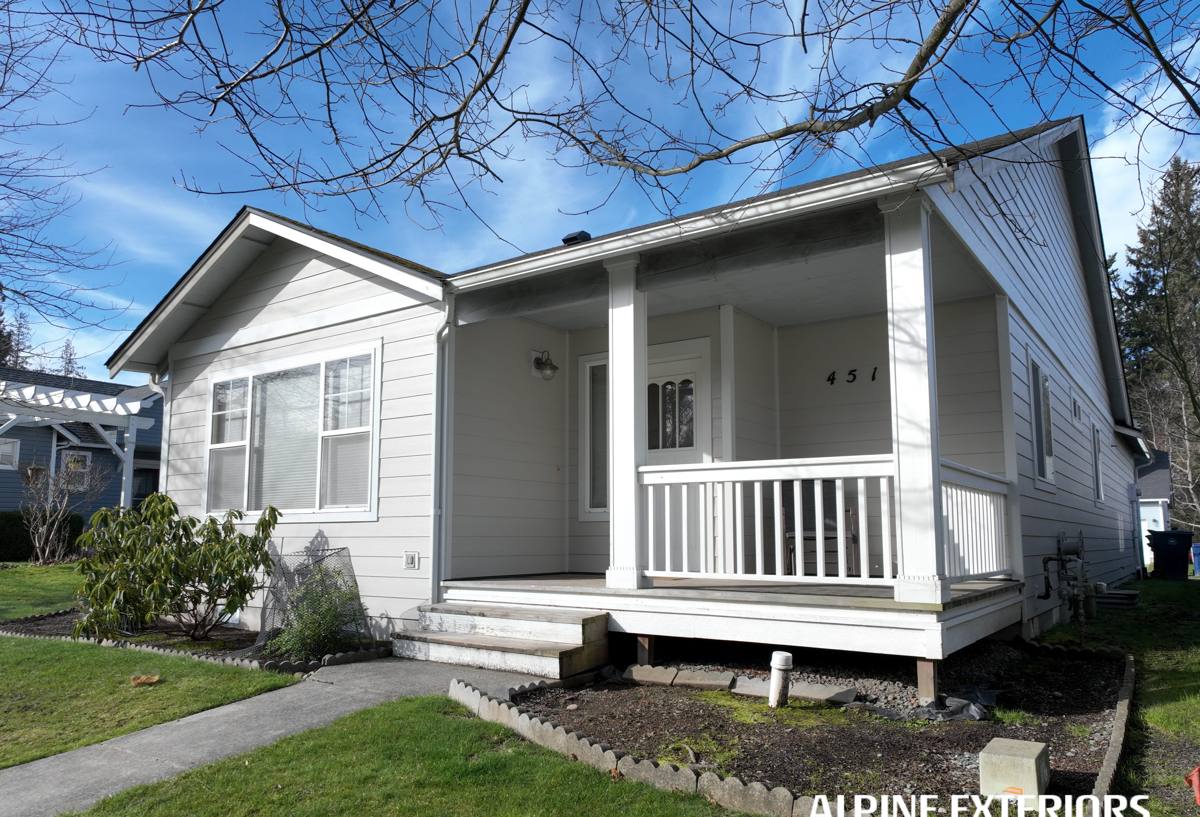
Why Salt Air, Rain, and Moss Are a Combined Problem
Each of these factors is manageable on its own. Together, they compound.
- Salt-laden air from the Sound accelerates corrosion on exposed metal — flashing, fasteners, gutter hardware, and vent caps age faster than the shingles or panels around them.
- Driving rain finds weak laps and undersized flashing that would never leak in a straight-down rain. It's the horizontal component of Northwest storms that catches poorly detailed repairs.
- Extended moss season means organic growth has months, not weeks, to root into shingle surfaces, lift edges, and hold moisture against the roof deck long after the rain has stopped.
A roof repair that only addresses the visible symptom — a stain on the ceiling, a missing shingle — without accounting for how these three forces interact tends to come back within a season or two.
Signs a Capitol Hill Roof Needs Repair
Most roof problems give warning signs well before there's an active leak inside the house. Worth checking for, or asking a contractor to check for, before water damage sets in:
- Granule buildup in gutters or at downspout outlets, which signals shingle wear
- Dark streaking or thick moss mats, especially on north-facing or shaded slopes
- Lifted, curling, or missing shingles after a windstorm
- Rust staining or gaps around flashing at chimneys, skylights, and roof-wall intersections
- Sagging or soft spots when walked on gently, which can indicate deck rot underneath
- Water stains on interior ceilings or upper-floor walls, particularly near exterior walls
- Daylight visible through the attic roof deck
Any one of these on its own might be minor. Several together usually mean it's time for a proper inspection rather than a wait-and-see approach.
What a Correct Roof Repair Actually Involves
It Starts With Finding the Real Source
Water rarely enters where it shows up. A stain on a bedroom ceiling might trace back to a flashing gap several feet away, with the water traveling along a rafter or sheathing seam before it becomes visible. A repair that patches the visible spot without tracing the actual entry point is a temporary fix at best.
Then the Deck Gets Checked, Not Just the Surface
Shingles or panels are only half the roof. If water has been getting into the deck for any length of time — which is common in a climate where leaks can go undetected through a wet season — the plywood or sheathing underneath may be softened or delaminated. Replacing surface material over compromised decking doesn't hold up.
Flashing Gets the Attention It Usually Didn't Get Originally
A large share of roof leaks in this region trace back to flashing, not the field of the roof itself — chimneys, skylights, dormers, valleys, and wall intersections. Correct flashing repair means proper laps, compatible metal, and sealant used as a backup, not a substitute for good detailing.
And the Repair Gets Tied Back Into the Existing Roof System
New material has to integrate with the surrounding roof — matching exposure, maintaining proper overlap, and not creating a new dam where water can pool. A patch that looks fine from the ground but disrupts water flow will often cause a leak somewhere nearby within a year or two.
Roofing Materials Common on Capitol Hill Homes
Capitol Hill's housing stock spans decades of construction, and the right repair approach depends on what's actually on the roof.
| Material | Common Repair Needs | Notes for This Climate |
|---|---|---|
| Composition (asphalt) shingle | Wind-lifted or missing shingles, granule loss, flashing leaks | Most common material; moss removal and edge sealing matter more here than in drier climates |
| Wood shake or shingle | Split or cupped shakes, moss intrusion, deck rot beneath aged sections | Requires more frequent moss management; shaded roofs age faster |
| Metal roofing | Fastener backout, seam and flashing leaks, coating wear near the coast-influenced air | Holds up well to rain but needs corrosion-resistant fasteners and flashing |
| Flat or low-slope (older additions, porches) | Membrane seam failure, ponding water, edge detail leaks | Low-slope sections are the most common source of leaks on older Capitol Hill homes with additions |
Our Roof Repair Process
- Inspection and diagnosis. We walk the roof (weather permitting) and check the attic from inside, tracing water paths rather than guessing from the visible symptom.
- Honest assessment. We tell you plainly whether this is a repair, a partial re-roof of the affected section, or something bigger — and why. If a full replacement isn't warranted yet, we'll say so.
- Written scope and estimate. You get a clear description of what's being fixed, the materials involved, and the price before any work starts.
- Repair, matched to the existing roof. We use materials and detailing appropriate to your roof type and this climate, not a one-size-fits-all patch.
- Cleanup and a final check. Debris removed, gutters cleared if they were part of the problem, and a final look to confirm the fix addresses the actual cause.
Repair vs. Replacement: What Actually Drives the Decision
Homeowners often assume any leak means a full new roof is coming. That's frequently not true — but it depends on a few honest factors.
| Factor | Favors Repair | Favors Replacement |
|---|---|---|
| Roof age | Well within expected lifespan for the material | Near or past the material's typical service life |
| Extent of damage | Isolated to one section, flashing point, or a handful of shingles | Widespread wear, multiple leak points, or extensive moss/moisture damage |
| Deck condition | Solid, no rot found during inspection | Soft, delaminated, or repeatedly wet sheathing |
| Repair history | First or infrequent repair | Same areas repaired multiple times already |
| Remaining warranty | Manufacturer or workmanship warranty still active | Warranty expired or voided by prior work |
We'll walk through where your roof lands on this before recommending either path — our goal is the right fix, not the biggest invoice.
Why Hiring a Crew That Already Works Capitol Hill Matters
Roofing crews unfamiliar with this neighborhood tend to underestimate a few things: how much moss buildup is normal versus a warning sign, how aggressive King County's wind-driven rain can be during fall and winter storms, and how much shade from mature trees changes a roof's drying pattern from one slope to the next on the same house. A crew that regularly works Capitol Hill roofs has already seen how these houses age and where they typically fail first — which means less time spent diagnosing and more time spent fixing the actual problem.
There's also a practical side: local crews know realistic scheduling around Puget Sound weather windows, understand permitting expectations in King County, and aren't guessing at code requirements or typical construction details for homes of this era.
Questions Worth Asking Before You Hire Anyone
- Will you inspect the attic from the inside, not just the roof from the outside or a photo?
- What's your plan if you find deck rot once the surface material is removed?
- Is the estimate written, itemized, and fixed — not a vague verbal number?
- Do you carry liability insurance and workers' comp coverage, and can you provide proof?
- What warranty applies to the repair labor itself, separate from material warranties?
- Have you worked on roofs in this neighborhood or similar older housing stock before?
Maintenance That Extends the Life of a Repair
A well-done repair still benefits from basic upkeep, especially given how long moss season runs here. Keeping gutters clear so water isn't backing up under roof edges, having moss treated or removed before it mats and lifts shingle edges, and trimming back branches that keep a section of roof shaded and damp all reduce the chance of a repeat problem. None of this requires a service contract — just periodic attention, ideally before the wet season builds up rather than after a leak appears.
If you're dealing with a leak, visible moss buildup, or storm damage on a Capitol Hill roof, we're glad to take a look and give you a straightforward, no-pressure assessment of what it actually needs. Use the form below to request a free estimate.