 King County
 Deck Building in Fremont, Built for the Weather It Actually Gets
Fremont sits close to the water, with tree cover on many lots and the kind of long, wet stretch of fall-through-spring weather that defines this part of King County. A deck built here does a different job than a deck built east of the mountains or somewhere dry. It has to shed water constantly, resist moss and algae growth for months at a time, and hold up to salt-tinged air blowing in off Puget Sound without the boards cupping, the fasteners rusting, or the frame quietly rotting out of sight underneath. Building a deck that actually handles all of that isn't complicated, but it does require getting a handful of details right that a generic build often skips.
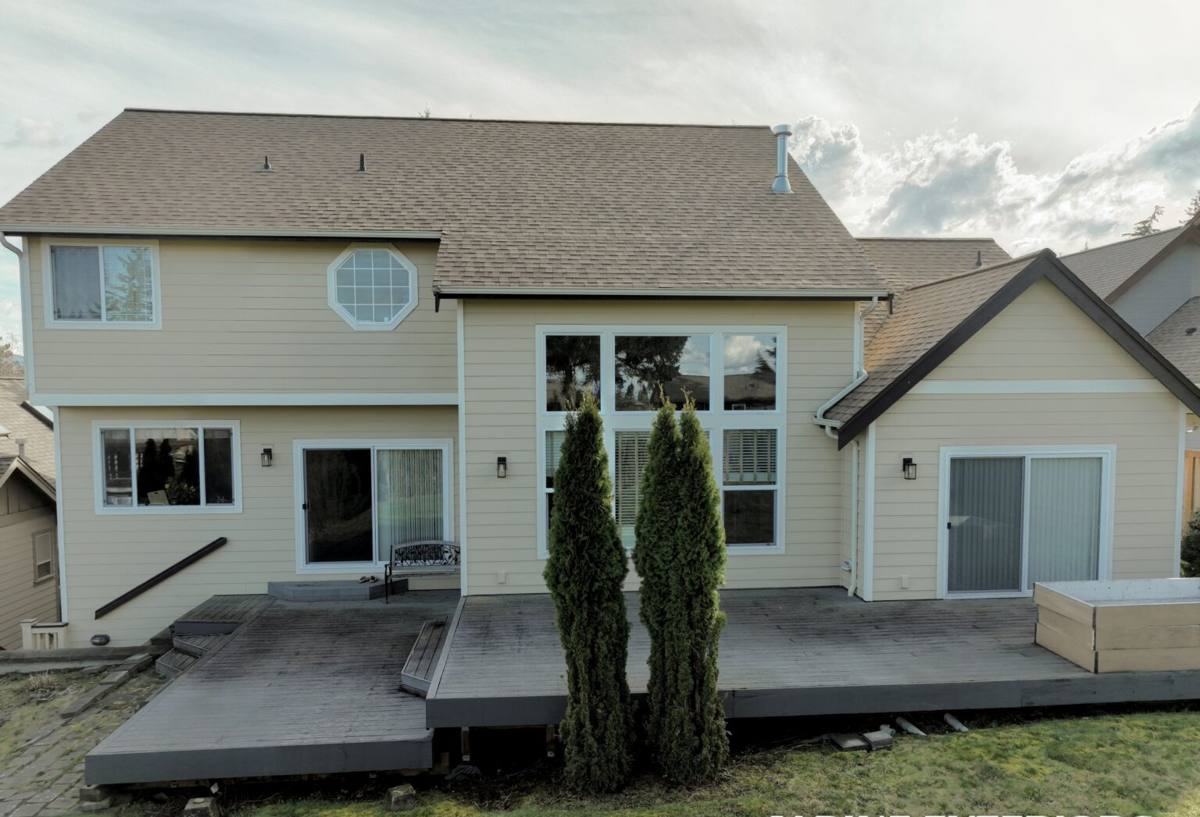
What Fremont's Climate Does to a Deck Over Time
Salt Air and Driving Rain
Being close to Puget Sound means the air carries a fine amount of salt, and combined with wind-driven rain, that moisture finds its way into every joint, screw hole, and end-cut on a deck. Untreated or poorly sealed cut ends are where rot typically starts first, because the protective coating on treated lumber is milled off at every cut and rarely gets resealed on a corner-cutting job. Metal hardware that isn't rated for coastal exposure will also corrode faster here than it would in a drier inland location, which is why fastener choice matters more in Fremont than it does fifty miles east.
The Long Moss Season
King County's wet season stretches from roughly October through May, and during that stretch a deck rarely gets a real chance to dry out between rain events. Shaded decks under mature trees — common on Fremont's older, tree-covered lots — stay damp even longer. That constant dampness is exactly what moss, algae, and mildew need to take hold on decking boards, railings, and stair treads. Beyond looking bad, a moss-covered deck surface gets genuinely slick and dangerous underfoot, and moss left to sit traps moisture directly against the wood or composite surface, accelerating whatever decay process is already happening underneath.
What a Correctly Built Deck Requires Here
Framing and Ledger Attachment
The ledger board — where the deck attaches to the house — is the single most important structural connection on the whole project, and it's also the most common place decks fail. It needs proper flashing that directs water away from the house rim joist rather than trapping it against the siding, correctly sized and spaced lag bolts or through-bolts, and a gap or drainage plane so water doesn't sit trapped between the ledger and the wall. Skipping the flashing step is invisible on the day the deck is finished and becomes a rot problem two or three winters later.
Footings and Post Bases
Frost depth requirements and soil drainage both matter for footing design, and post bases should hold the post above the concrete rather than embedding wood directly into it, so water doesn't wick up into the post end grain. In a climate that stays saturated for months, that detail is what separates a post that lasts twenty-plus years from one that starts soft at the base within five.
Decking Material Choices
Every decking material behaves differently once it's dealing with sustained moisture and shade. The right choice depends on how much sun the deck gets, how much upkeep the homeowner actually wants to do, and budget. We walk through the real trade-offs rather than pushing one product on every job.
| Material | Moisture Behavior | Maintenance | Typical Lifespan |
|---|---|---|---|
| Pressure-treated wood | Resists rot when sealed; end cuts and fastener holes need re-sealing | Annual cleaning, periodic staining or sealing | 10–15 years with upkeep |
| Cedar | Naturally moisture-resistant, but greys and softens without maintenance | Regular cleaning, occasional oiling | 15–20 years with upkeep |
| Composite decking | Won't rot, but can trap surface moisture and grow algae if not cleaned | Periodic washing, no staining/sealing needed | 25–30 years |
| PVC/capped composite | Fully moisture-resistant surface, best for shaded, damp lots | Occasional washing only | 25–30+ years |
How We Approach a Fremont Deck Project
- On-site assessment — we look at sun exposure, tree cover, drainage slope, and how the deck will tie into the house before recommending anything.
- Material and layout discussion — we go over decking, railing, and fastener options honestly, including cost and upkeep trade-offs for your specific lot.
- Permit handling — we prepare and submit what's required for your jurisdiction within King County so the project is inspected and legal, not just built.
- Framing and structural work — footings, posts, beams, ledger flashing, and joist layout done to code, not to the minimum that passes a quick glance.
- Decking, railing, and finish work — installed with fastener spacing and hardware chosen for coastal, wet-climate durability.
- Final walkthrough — we go over basic care so the deck holds up the way it's built to.
Permits and Local Code
Most new decks and many deck replacements in King County jurisdictions require a permit, particularly once you're above a certain height off grade or attaching structurally to the house. Requirements vary by city and can change, so we confirm what applies to your specific address and handle the paperwork rather than leaving it for the homeowner to sort out mid-project. Skipping permits on a structural deck isn't a shortcut worth taking — it can create real problems at resale and with insurance if something ever goes wrong.
Composite, PVC, or Wood — What We Recommend and Why
On shaded, tree-covered Fremont lots that stay damp much of the year, we generally steer homeowners toward composite or capped PVC decking. It isn't that wood is a bad material — cedar and treated lumber can both perform well — it's that they require a level of ongoing sealing and cleaning that a lot of homeowners underestimate, and in a climate this wet, skipping a year of maintenance shows up fast as graying, cupping, or moss growth. Composite and PVC cost more upfront but remove most of that maintenance burden, which is often the better trade for a deck that gets heavy shade and rarely dries out. Where a homeowner wants the look and feel of real wood and is willing to keep up with sealing on a schedule, we build that just as readily — it's a legitimate choice, just a different maintenance commitment.
Railings, Fasteners, and Hardware
Railings take direct weather exposure on all sides and are one of the first things to show wear on a poorly built deck. We use fasteners and structural hardware rated for exterior, high-moisture use — stainless or coated hardware that resists the corrosion that plain galvanized fasteners eventually show in coastal air. Composite and cable railing systems both hold up well here; wood railings work too, but like wood decking, they need the same ongoing sealing to avoid cracking and graying.
Keeping a Fremont Deck in Good Shape Year-Round
A well-built deck still needs some basic seasonal care, especially given how long the wet season runs. This is the maintenance rhythm we walk homeowners through after a build:
- Sweep leaves and debris off the deck surface regularly in fall — trapped wet leaves are one of the fastest ways to stain or start rot on any material.
- Wash the deck surface at least once or twice a year to remove early moss and algae growth before it takes hold, especially in shaded corners.
- Check that gaps between boards stay clear so water can drain through rather than pooling on the surface.
- Inspect the ledger flashing and the area where the deck meets the house once a year for any signs of water staining.
- Re-seal or re-stain wood decking and railings on the schedule the product calls for — don't wait until it visibly grays.
- Check fastener heads and railing connections periodically for corrosion or looseness, particularly after a hard winter.
Why Hiring a Crew That Already Works Fremont Matters
A deck built for a dry inland climate and a deck built for a shaded, moisture-heavy King County lot are not the same project, even if they look identical from the street. A crew that regularly works Fremont and the surrounding area already knows which flashing details actually hold up through a full wet season here, which hardware corrodes too fast in this air, and which decking choices tend to disappoint homeowners on heavily shaded lots. That local pattern recognition is what keeps a deck from becoming a maintenance headache two winters after it's built, and it's the difference between a deck that's technically built to code and one that's actually built for where it sits.
If you're considering a new deck or need an existing one assessed, we're happy to take a look and walk through your options honestly — no pressure, no upsell, just a straight answer on what your lot and your budget call for. Use the form below to request a free estimate.