 King County
 Fremont's Climate Is Harder on Siding Than Most Homeowners Realize
Fremont sits close to the water, in the part of King County where marine air, long wet winters, and heavy tree cover combine to create some of the toughest conditions siding will ever face. Salt-tinged air off the Sound corrodes fasteners and finishes over time. Driving rain, often pushed sideways by wind coming off the water, finds every gap in a siding system that isn't detailed correctly. And the region's long moss season — stretching from fall through spring in shaded, damp yards — keeps siding wet for weeks at a stretch, which is exactly the condition that rot, mold, and paint failure need to take hold.
None of this means siding is doomed in Fremont. It means the material and the installation both have to be matched to the climate, not just picked off a sample board. That's the standard we hold every job to.
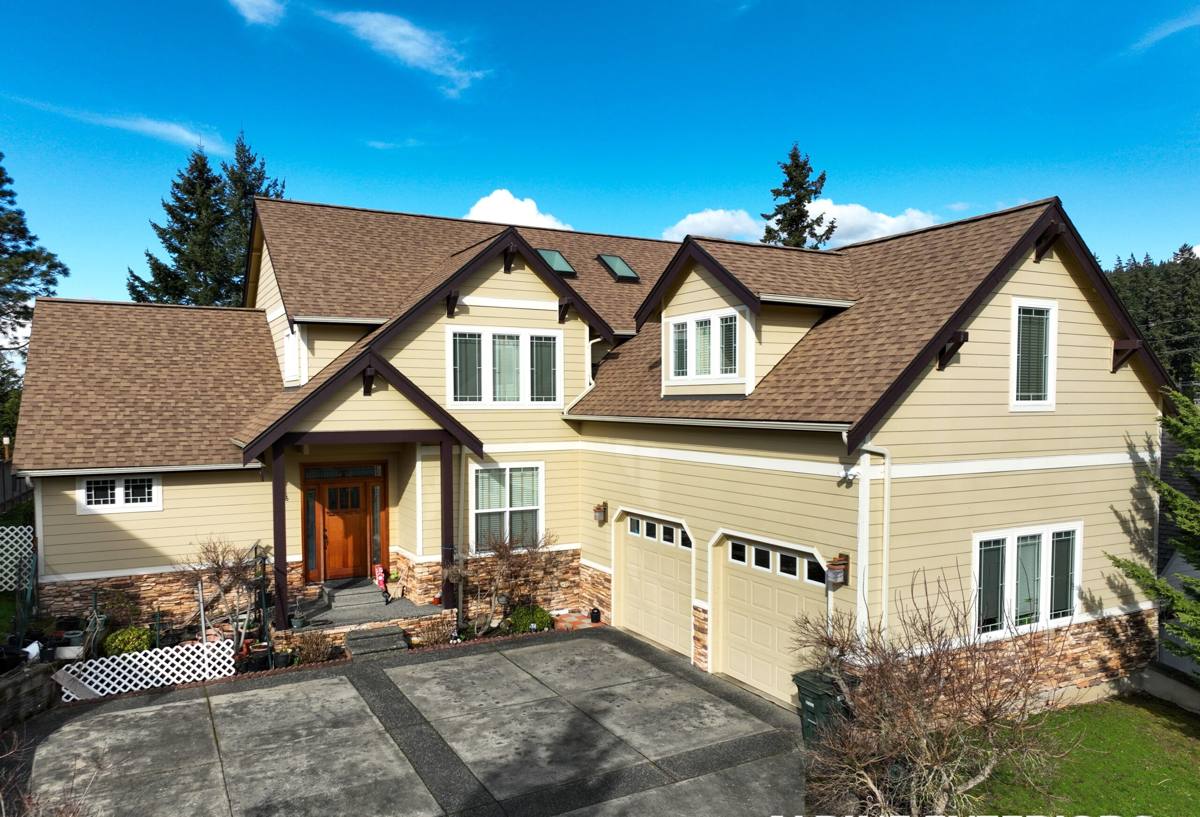
Why We Install Only James Hardie Fiber Cement
Fiber cement as a category — cement, sand, and cellulose fiber pressed into a dense, stable board — is a good answer to a wet climate. It doesn't absorb water the way wood does, it won't warp or delaminate like some engineered wood products, and it's non-combustible. But not all fiber cement is built or backed the same way, and we made a deliberate decision to install James Hardie exclusively rather than any fiber cement brand that comes through the supply house.
The reasons are practical, not brand loyalty. Hardie's ColorPlus finish is baked on at the factory under controlled conditions, which gives it more consistent adhesion and color retention than field-applied paint — a real advantage in a climate where a house might not see three consecutive dry days for finish work. Hardie also engineers specific product formulations (their HZ5 line) for climates like ours, accounting for moisture exposure rather than using one national formula everywhere. And the warranty is transferable and backed by a manufacturer with decades of manufacturing history, which matters more in a wet climate where problems, if they happen, tend to be moisture-related and slow to show up.
We don't install LP SmartSide, vinyl, Cemplank, Allura, or primed wood siding. Each of those has legitimate uses somewhere, but for what Fremont's weather does to a house over 20-30 years, we don't think they hold up as well as correctly installed Hardie, and we'd rather turn down work than install something we don't stand behind.
Signs Your Current Siding Is Losing the Fight
Most siding failure in this area doesn't show up as a dramatic event — it's a slow accumulation of small signs that add up. Worth checking for before problems move into the wall structure:
- Soft or spongy spots when you press on the siding, especially near the bottom courses or under windows
- Paint that's peeling, bubbling, or chalking rather than just fading evenly
- Persistent moss, algae, or black streaking that comes back within weeks of cleaning
- Boards that are cupping, bowing, or separating at the seams
- Visible gaps or caulk that's cracked and pulling away from trim and corners
- A musty smell in interior rooms along exterior walls
- Rising heating bills that don't match any other change in the house
Any one of these is worth a look. Several at once usually means moisture has already gotten behind the cladding, which changes the scope of the job from a straightforward re-side to one that includes sheathing repair.
What a Correct Installation Actually Involves
Substrate and Moisture Barrier
Before a single piece of siding goes up, the sheathing underneath has to be sound, and a weather-resistant barrier has to be installed correctly — lapped shingle-style so water is always directed outward and down, never trapped behind the cladding. In a climate that stays wet for months at a time, this layer is doing as much work as the siding itself.
Flashing and Drainage
Every window, door, and horizontal trim transition is a place water wants to get in. Proper flashing, along with a rainscreen or drainage gap where called for, gives any moisture that does get past the siding a path back out instead of a place to sit against the wall. This detail is where a lot of the difference between a siding job that lasts decades and one that fails early actually happens — and it's invisible once the job is finished.
Fastening and Clearances
Hardie siding has specific fastening patterns, nail placement, and required clearances from grade, roof lines, and decks. Skipping these clearances is one of the most common shortcuts that leads to moisture problems years later, particularly on homes with landscaping or grade that traps water near the foundation.
Finish Work
Factory-finished ColorPlus siding still needs correctly matched caulking at joints and trim, and any field cuts need sealed edges so raw material isn't exposed to the weather. This last stretch of detail work is easy to rush and is usually where quality differences between crews show up first.
Choosing the Right Hardie Product for Fremont's Exposure
James Hardie makes several siding profiles, and the right one depends on the home's style and how exposed it is to wind-driven rain.
| Product | Best For | Look |
|---|---|---|
| HardiePlank Lap Siding | Most homes; the most common re-side choice in this area | Traditional horizontal lap, multiple textures available |
| HardieShingle Siding | Craftsman and cottage-style homes, accent gables | Staggered or straight-edge shingle profile |
| HardiePanel Vertical Siding | Modern designs, accent walls, mixed-material facades | Clean vertical panel lines |
| HardieTrim | Corners, window and door surrounds, fascia | Smooth or textured trim boards matched to siding |
Most Fremont homes end up with HardiePlank as the primary field material, often paired with HardieShingle or HardieTrim as accents — but the right combination depends on the home's architecture and how much rain exposure each elevation actually gets.
Our Process, Start to Finish
- On-site assessment — we look at existing siding, trim, flashing, and any signs of moisture intrusion before quoting anything
- Product and color selection — choosing the Hardie profile, texture, and ColorPlus color that fits the home
- Prep and removal — stripping old siding, inspecting and repairing sheathing, correcting any flashing or barrier issues found underneath
- Installation — siding, trim, and flashing installed to Hardie's fastening and clearance specifications
- Final walkthrough — checking caulking, touch-up paint, and clearances before calling the job done
What Drives Cost on a Fremont Siding Project
| Factor | Why It Matters |
|---|---|
| Home size and number of stories | More square footage and taller walls mean more material, labor, and staging |
| Condition of existing sheathing | Rot repair found after removal adds scope that can't always be estimated in advance |
| Trim and architectural detail | Multiple gables, dormers, and trim transitions take more time than flat, simple walls |
| Site access | Tight lots, fencing, and limited staging space common in dense Fremont blocks can add labor time |
| Product line and profile | Lap, shingle, and panel siding carry different material and labor costs |
Broad ranges are all anyone can honestly give before seeing the house — an accurate number requires an on-site look at the existing siding and substrate condition.
Why It Matters That We Already Work in Fremont
A crew that regularly works in this part of King County already knows how local grade, tree cover, and water proximity change the detailing on a given house — where extra flashing attention pays off, which elevations take the worst of the wind-driven rain, and how long moss actually takes to become a maintenance problem here versus in a drier part of the county. That local pattern recognition doesn't replace inspecting each house individually, but it does mean fewer surprises and a crew that isn't learning the climate on your project.
What to Realistically Expect for Maintenance
Correctly installed Hardie siding with a factory ColorPlus finish is genuinely low-maintenance compared to wood or field-painted siding, but "low-maintenance" isn't "no-maintenance" in this climate. Expect to rinse off moss and algae buildup periodically, especially on shaded, north-facing walls, and to have caulking at trim joints checked every few years. Done on that schedule, it's a small amount of upkeep for siding that's engineered to handle the wet season rather than just tolerate it.
If your Fremont home's siding is showing any of the signs above, or you're planning ahead for a replacement, we're happy to come take a look and put together a straightforward, no-pressure estimate — no surprise upsells, just an honest read on what your home actually needs.