 King County
 Deck Repair Built for Issaquah's Wet, Shaded Climate
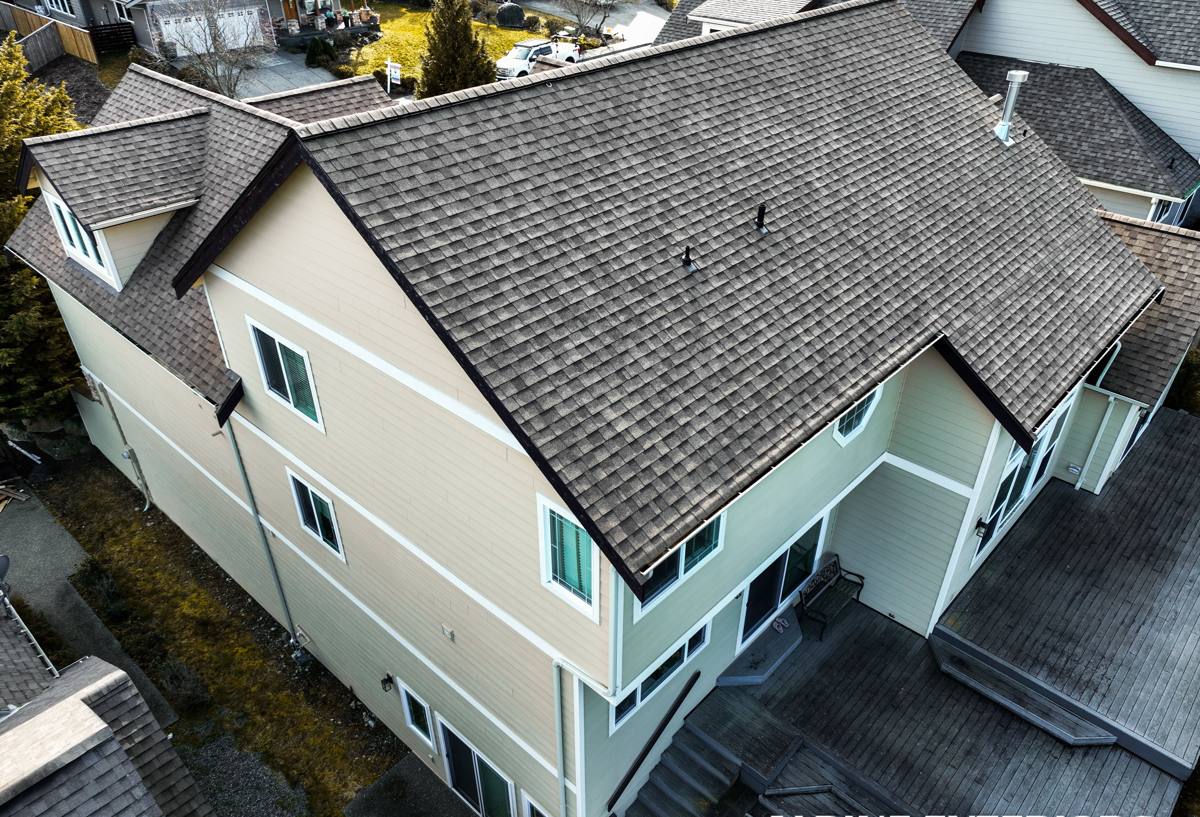
Issaquah sits right up against the foothills of the Issaquah Alps, and that setting shapes what happens to a deck here. Heavy tree cover from the surrounding hillsides keeps yards shaded and slow to dry out after a storm. Combine that with King County's long, wet fall-through-spring stretch, and you get decks that stay damp for days at a time instead of drying out between rains like they would in a sunnier climate. That's the real story behind most of the deck repair calls we get in this area: not one big failure, but months of slow moisture exposure finding every weak point in the wood, the fasteners, and the finish.
We're not talking about a freak weather event. We're talking about an ordinary Issaquah winter, repeated year after year, on a structure that's outside 365 days a year. A deck built correctly and maintained on schedule handles that fine. A deck with even one small gap in flashing, one under-sized ledger connection, or one section of decking that never got resealed will start showing damage well before the rest of the structure does.
Why Moss Is More Than a Cosmetic Problem
Moss gets written off as an appearance issue, but on a deck it's a moisture indicator. If moss is establishing itself on your decking boards, stair treads, or the top of your railing, that means those surfaces are staying wet long enough for moss spores to take hold and grow — which is also long enough for wood fibers to start absorbing water and softening underneath. In shaded Issaquah yards, moss season can stretch from fall into late spring, so a deck that isn't cleaned and resealed on a normal schedule can go most of the year hosting moss rather than shedding water.
Signs Your Deck Needs Repair, Not Just Cleaning
Every deck needs periodic cleaning and resealing. Repair is a different conversation — it means something in the structure or the surface has already failed or is close to it. Here's what tells us the difference when we walk a property:
- Decking boards that feel spongy, spring underfoot, or visibly cup and crown
- Gaps opening up between boards well beyond normal seasonal movement
- Rust streaks running down from fasteners or visible corrosion on hardware
- A ledger board (where the deck attaches to the house) that shows dark staining, gaps, or soft wood when probed
- Railings or posts that wobble, or a top rail that feels loose when you lean on it
- Stair stringers with soft spots, especially near ground contact
- Persistent moss or black-green staining that returns within weeks of cleaning
- Standing water on the deck surface after rain instead of it draining off
Any one of these on its own might be a minor fix. Two or three together usually means the moisture problem has moved past the surface and into the framing, and that changes the scope of the repair.
Where Damage Actually Starts on Issaquah Decks
The Ledger Connection
This is the board that ties the deck to the house, and it's the single most important structural connection on the whole deck — it's also the one most exposed to water running off the house siding and roofline. If flashing behind the ledger was installed poorly, or has failed over time, water gets channeled directly into that connection instead of away from it. This is the repair we take most seriously, because a compromised ledger is a safety issue, not just a cosmetic one.
Fastener and Hardware Corrosion
Years of damp exposure corrode screws, joist hangers, and bolts faster than most homeowners expect, especially if the original build used fasteners that weren't rated for ground contact or exterior exposure. Corroded hardware loses holding strength gradually, so a deck can look and feel fine right up until it doesn't.
End Grain and Cut Edges
Factory-sealed lumber loses that protection the moment it's cut on site. Board ends, stair stringer cuts, and drilled holes are where wood absorbs water fastest, and they're also the spots most often missed during routine resealing. This is where we see the earliest rot on otherwise healthy-looking decks.
Ground-Level Contact
Posts and stair stringers that sit close to soil or landscaping beds hold moisture against the wood constantly, especially where mulch or plantings are pushed up against the base. In a climate that already keeps ground moisture high most of the year, that contact point is often the first place rot sets in.
What a Correct Deck Repair Actually Involves
A repair that only addresses what's visible on the surface tends to fail again within a season or two. A correct repair follows the moisture back to its source. That generally means:
- Isolating the damage — probing beyond the visibly bad wood to find where sound material actually starts, since rot spreads further than it shows
- Fixing the moisture path first — reflashing a ledger, correcting drainage, or redirecting water before replacing a single board, since replacing wood without fixing the cause just resets the clock
- Matching structural specs, not just appearance — replacement joists, ledgers, and posts sized and fastened to current code, not just cut to fit
- Using fasteners and hardware rated for exterior, ground-contact use, even in sections that aren't touching the ground, since splash and runoff reach further than people assume
- Sealing all cut ends and drilled holes on site before they're installed, not after
- Rechecking the whole structure, not just the section that prompted the call — if one area failed from years of moisture exposure, nearby areas built the same way are usually not far behind
Repair or Replace? How We Make That Call
Homeowners usually ask this first, and it's a fair question — repair is cheaper up front, but not always the better long-term move. The honest answer depends on how much of the structure is affected versus the surface.
| Factor | Leans Toward Repair | Leans Toward Replacement |
|---|---|---|
| Extent of rot | Isolated to a few boards or one connection point | Present in multiple framing members or spreading |
| Ledger condition | Sound, flashing just needs correcting | Soft, corroded, or improperly attached |
| Age of structure | Under 10-15 years, built to a reasonable standard | Original build was undersized or poorly detailed |
| Railing/stair safety | Loose but structurally sound once refastened | Wobbling from rotted posts or failed connections |
| Homeowner's timeline | Wants to extend usable life a few more seasons | Planning a redesign or upgrade to composite anyway |
Broadly, straightforward board and railing repairs on an otherwise sound deck run into the low hundreds to low thousands of dollars depending on scope. Structural repairs involving the ledger, multiple joists, or stair rebuilds cost more because they involve code-level fastening and sometimes a permit. We'll always tell you plainly which category your deck falls into before any work starts.
Our Process for Deck Repair in Issaquah
We keep this straightforward because deck repair shouldn't feel like a mystery:
- On-site inspection — we walk the whole deck, not just the spot you called about, and probe suspect areas rather than guessing from a visual check
- Plain-language findings — what's actually wrong, what's causing it, and what happens if it's left alone
- Written scope and estimate — repair-only options and, where relevant, what full replacement would look like, so you can compare honestly
- Repair work — moisture source addressed first, then structural fixes, then surface and cosmetic work last
- Final check — hardware tightened, edges sealed, drainage confirmed before we call it done
Materials: What Holds Up Under Issaquah Conditions
Repairs are only as good as the materials going into them. For framing and structural repairs, pressure-treated lumber rated for ground contact is the standard — anything less doesn't make sense in a climate this wet. For decking surfaces, both wood and composite have a place, but they come with different trade-offs worth knowing before you decide.
| Wood Decking | Composite Decking | |
|---|---|---|
| Upfront cost | Lower | Higher |
| Maintenance | Regular cleaning and resealing needed to shed moisture | Cleaning still needed, but no sealing/staining cycle |
| Moss resistance | Depends heavily on sealing schedule and sun exposure | More resistant, though moss can still grow on any damp, shaded surface |
| Repair approach | Individual boards replaced as needed | Boards replaced, but color-matching older composite can be limited |
| Long-term feel | Natural look, ages and weathers visibly | Consistent appearance over time |
Neither option is wrong — it's a maintenance and budget decision. Where we push back is on framing shortcuts: whatever decking surface you choose, the structure underneath should always be built to the same standard, because that's the part you can't easily inspect once it's covered.
Why a Crew That Already Works Issaquah Matters
Deck problems here aren't generic — they're shaped by this specific setting: shaded lots tucked against the hillsides, long wet seasons, and older decks that were often built before current fastening and flashing standards were common practice. A crew that works this area regularly has already seen how those conditions play out on real houses, which means less time spent diagnosing and more time spent fixing the actual cause. We're not guessing at how King County weather affects a deck over a decade — we're repairing the result of it on a routine basis.
We also know what a permit-worthy structural repair looks like versus a straightforward board swap, so we won't oversell a simple fix into a bigger job, or undersell a real structural issue as cosmetic. That distinction matters most on stairs and railings, where getting it wrong is a safety problem, not just a cost one.
Simple Maintenance That Extends the Life of a Repair
Once a deck is repaired correctly, keeping it that way in this climate doesn't take much — just consistency:
- Clear leaves and debris from between boards before fall rains set in, since trapped debris holds moisture directly against the wood
- Rinse off moss and algae growth as soon as it appears rather than waiting for a deep clean
- Check and tighten railing connections once a year
- Reseal wood decking on the schedule your specific product calls for — don't stretch it because the deck "still looks fine"
- Keep mulch, plantings, and soil pulled back from posts and stair stringers
- Walk the deck each fall specifically checking for soft spots before winter rain sets in
If you're noticing soft boards, persistent moss, a loose railing, or you just want an honest read on where your deck actually stands, we're happy to take a look. The estimate is free, there's no pressure to book anything on the spot, and you'll get a straight answer about what needs fixing now versus what can wait — just fill out the form below.