 King County
 Kirkland's Climate Is Harder on Siding Than It Looks
Kirkland sits on the shore of Lake Washington, and that setting cuts both ways. The lake views and mature tree canopy are part of what makes the city desirable, but that same lake-and-forest environment keeps exterior walls damp for long stretches of the year. Add in the driving rain that blows through King County every fall and winter, plus a moss season that can run from October well into spring, and you have a climate that is genuinely tough on siding — even siding that looks fine from the street.
The problems rarely show up as a dramatic failure. They show up as a soft spot behind a downspout, a stretch of paint that won't hold, or a corner where moss has taken hold and started trapping moisture against the wall. By the time a homeowner notices, the damage is usually already a few years old. Choosing a siding material built for exactly this kind of exposure — and having it installed correctly the first time — is the difference between a wall that shrugs off decades of Kirkland weather and one that needs attention every few years.
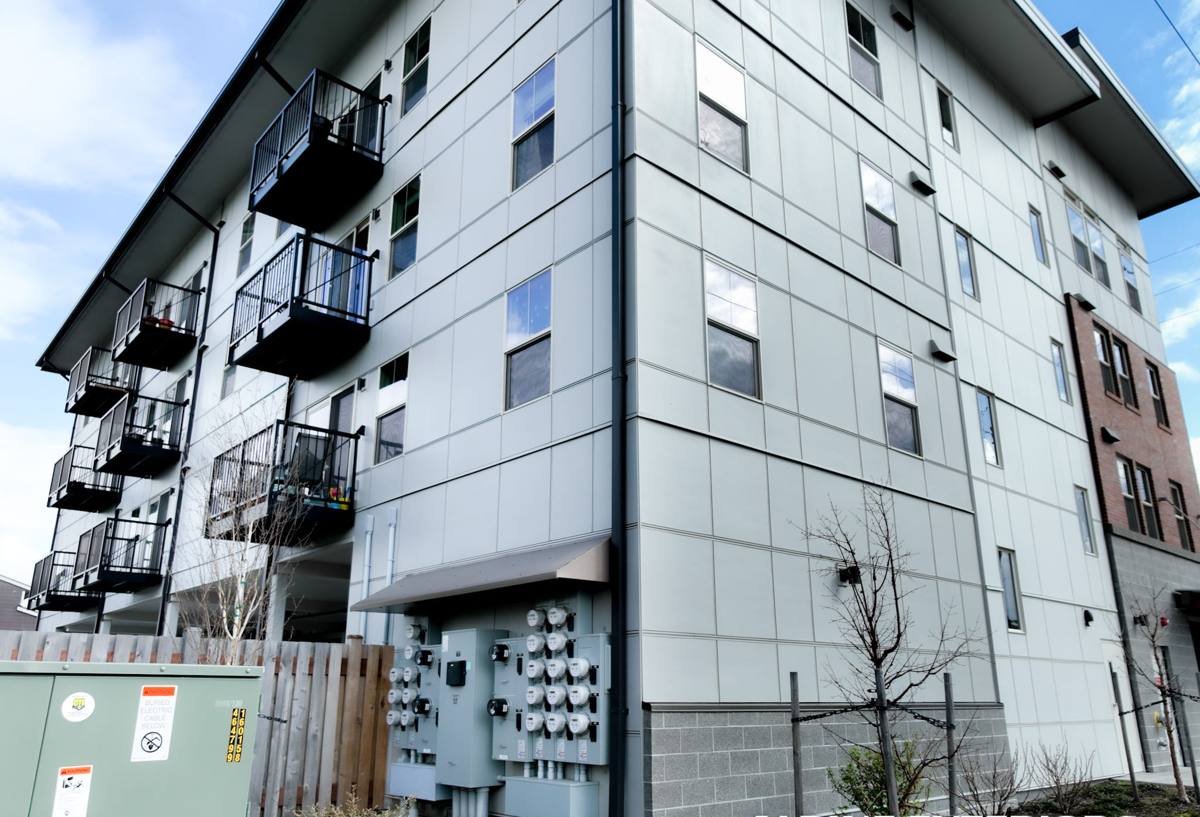
Why We Install Only James Hardie Fiber Cement
King County Siding does not install vinyl, LP SmartSide, primed spruce, cedar, or other fiber cement brands. We install James Hardie, exclusively, on every home we side. That is not a marketing position — it is a standard we settled on after weighing how each material actually performs in this climate over time.
Vinyl siding can warp and gap as temperatures swing, and its seams give driving rain more opportunities to find a way behind the panel. Wood products, including cedar and primed spruce, look great on day one but need consistent repainting and caulking to keep moisture out, and Kirkland's damp, shaded lots accelerate that maintenance cycle. Engineered wood products like LP SmartSide perform reasonably well when detailing is perfect, but they remain wood at the core, which means they are still vulnerable to sustained moisture exposure if flashing or caulking fails anywhere along the wall.
James Hardie fiber cement is cement, sand, and cellulose fiber — it does not rot, it is not a food source for moss or mold, and it holds its factory finish far longer than field-painted materials. It is also non-combustible, which matters in a region where wildfire smoke and ember exposure have become a more regular concern. For a coastal-influenced, high-moisture climate like Kirkland's, it is simply the more durable choice.
Built for This Region: HardieZone HZ5
James Hardie engineers its siding by climate zone, and King County falls in HZ5, the zone built for cold, wet Pacific Northwest conditions. HZ5 products are formulated with moisture and freeze-thaw cycling in mind, which is exactly what a home a few blocks from Lake Washington deals with every winter. This is one of the clearer advantages Hardie has over generic fiber cement or wood alternatives that are not engineered by region at all.
What Correct Installation Actually Involves
James Hardie siding performs the way it's rated to perform only when it's installed to spec. The product itself is excellent, but a rushed or generic installation can undercut most of that advantage. On a Kirkland home, a few details matter more than others:
Moisture Management Behind the Siding
Every wall needs a drainage plane and a weather-resistant barrier installed correctly behind the siding, with proper overlap and sealed penetrations at every pipe, vent, and fixture. In a climate with as much sustained rain as ours, any gap in that barrier becomes a slow leak point that won't show itself for years.
Flashing at Every Transition
Windows, doors, decks, roof lines, and any place two building planes meet need flashing that directs water out and away from the wall assembly — not just caulk. Caulk fails; flashing, installed correctly, doesn't rely on staying intact to keep water out.
Proper Clearances
Hardie's installation instructions call for specific clearances between the bottom of the siding and grade, roof lines, decks, and walkways. Skipping these clearances is one of the most common shortcuts we see on homes that come to us for repair work, and it's one of the fastest ways to trap moisture against the bottom courses of siding.
Fastening and Joint Treatment
Hardie specifies fastener type, spacing, and placement, and it specifies how joints should be treated to stay weathertight. Installers who treat fiber cement like any other siding material — using the wrong fasteners or nailing patterns — create weak points that James Hardie's warranty may not cover, and that defeat the point of using a premium product in the first place.
Our Process for a Kirkland Siding Project
We keep our process straightforward, and every step is aimed at making sure the finished wall actually performs the way James Hardie designed it to.
- On-site assessment of your current siding, sheathing, and any moisture damage, with honest findings — including anything hidden behind the existing siding that needs to be addressed before new siding goes up
- Removal of old siding and inspection/repair of sheathing, framing, and any areas with rot or water intrusion
- Installation of a code-compliant weather-resistant barrier with correct overlaps and sealed penetrations
- Flashing installed at every window, door, deck ledger, and roofline transition
- James Hardie siding installed to manufacturer fastening, spacing, and clearance specifications
- Final detail work — trim, caulking where appropriate, and a walkthrough so you know exactly what was done
- Site cleanup, including magnetic sweep for stray fasteners and haul-away of old materials
We also carry James Hardie's factory ColorPlus finish, which is baked on and backed by its own finish warranty — a meaningful advantage over field-painted siding in a climate where repainting exterior surfaces is its own recurring expense.
Choosing Colors and Style for Kirkland Neighborhoods
Kirkland's housing stock ranges from older lakeside homes to newer construction on wooded lots throughout King County, and Hardie's product lines give homeowners real flexibility to match either. HardiePlank lap siding covers most traditional and craftsman-style homes, HardiePanel works well for more modern vertical designs, and HardieShingle suits homes going for a more textured, traditional look. ColorPlus finishes come in a range of tones that hold up to UV exposure and the region's damp shoulder seasons without fading or chalking the way many field-applied paints do over time.
What Drives the Cost of a Siding Project
Every home is different, and we won't quote a number without seeing the site, but these are the factors that most affect the scope and cost of a James Hardie installation in this area:
| Factor | Why It Matters |
|---|---|
| Current siding condition | Rot, mold, or water damage behind old siding adds repair scope before new siding can go up |
| Home size and wall complexity | More corners, dormers, and transitions mean more flashing and cutting time |
| Siding product line | HardiePlank, HardiePanel, and HardieShingle carry different material and labor costs |
| Trim and accessory work | Fascia, soffit, and trim replacement alongside siding affects total project scope |
| Access and site conditions | Steep lots, mature landscaping, or tight lake-adjacent lots can affect staging and labor time |
Why It Matters That We Already Work in Kirkland
A crew that regularly works in Kirkland and the surrounding King County area already understands how the local building department handles siding permits, what inspectors look for on weather-resistant barrier and flashing details, and how the area's moisture and moss patterns actually behave against different wall exposures — north-facing and shaded walls behave very differently than sun-exposed ones here. That local familiarity shows up in fewer surprises during the project and a finished job that's built for the specific way water and moss move across this region, not a generic install pulled from a manual written for a drier climate.
Keeping Your Siding in Good Shape After Installation
James Hardie siding is low-maintenance compared to wood or vinyl, but "low-maintenance" isn't "no-maintenance." A little seasonal attention goes a long way in a climate like ours:
- Rinse siding annually to keep moss spores and organic buildup from taking hold, especially on shaded or north-facing walls
- Keep gutters clear so overflow doesn't run down the wall face during heavy rain events
- Trim back landscaping and tree limbs that keep siding shaded and damp longer than it needs to be
- Check caulking at trim and penetrations periodically, and have any cracked or missing caulk addressed promptly
- Have any impact damage or cracked panels repaired quickly rather than left exposed to moisture
If your Kirkland home's siding is showing its age, or you're planning ahead for a replacement, we're happy to take a look and walk you through what your home actually needs. Reach out for a free, no-pressure estimate using the form below.