 King County
 Fiber Cement Siding in Kent: Built for What This Part of King County Throws at a House
Kent sits low in the Green River Valley, close enough to Puget Sound that homes here deal with a specific combination of weather stress: salt-tinged air moving in off the water, rain that arrives sideways as often as it falls straight down, and a moss season long enough to become a year-round maintenance item rather than a fall chore. None of these on their own is unusual for King County. Stacked together over the 20-plus years a homeowner expects siding to last, they add up to a real test of whatever material is on the wall.
This page is about one thing specifically: fiber cement siding, installed correctly, on homes in Kent. Not a general siding overview and not a citywide service list — just what this material has to hold up against here, what a correct installation actually involves, and why the crew doing the work matters as much as the product itself.
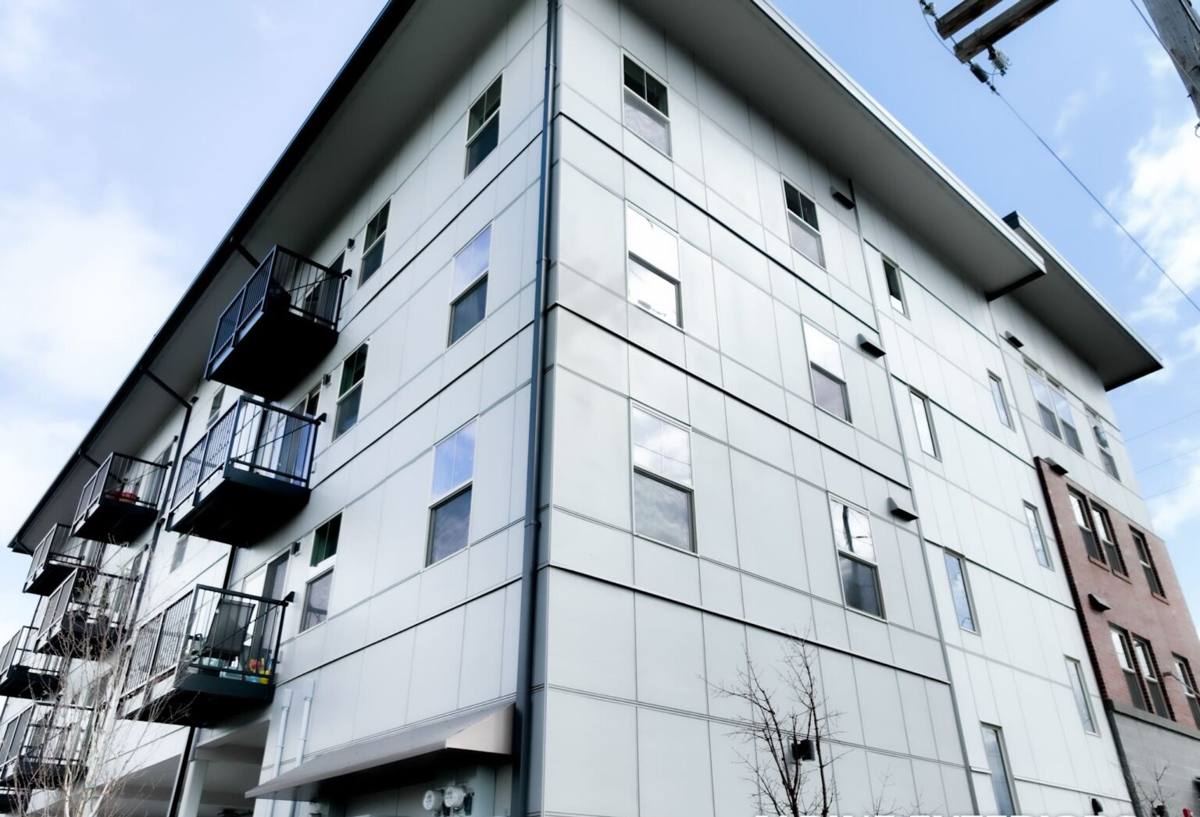
What Salt Air, Driving Rain, and a Long Moss Season Actually Do
Salt Air and Slow Corrosion
Kent's proximity to Puget Sound means the air carries a fine salt content most homeowners never think about until they notice rust bleeding from a fastener head or corrosion working into an exposed hinge. That salt load doesn't just affect metal — it keeps painted and coated surfaces wet longer than they'd stay in a drier inland climate, which shortens the working life of any finish that isn't built to handle sustained exposure.
Driving Rain and Water Intrusion
Pacific storm systems don't drop rain straight down on Kent the way a summer thunderstorm does elsewhere. Wind pushes it sideways, forcing water into laps, seams, and fastener penetrations that a calmer climate would never test. Flashing details, lap clearances, and sealant choices that might pass in a drier region become the actual difference between a wall that sheds water and one that quietly traps it behind the cladding.
A Moss Season That Doesn't Really End
Shaded elevations, north-facing walls, and anything under tree cover in Kent stay damp for long stretches from fall through spring, and sometimes longer on properties with heavy canopy. That's exactly the condition moss needs to establish itself. On wood-based or wood-look siding, that ongoing dampness isn't just cosmetic green staining — it's a durability problem, since sustained moisture against an absorbent material eventually leads to swelling, softening, and rot at seams and cut edges.
Why We Install Only James Hardie Fiber Cement
We don't install vinyl siding, LP SmartSide, primed spruce, cedar, or other fiber cement brands like Cemplank or Allura. That's a professional standard we hold ourselves to, not a limit on what we're capable of installing. In a climate like Kent's, the products that tend to underperform over the long run share a common weakness: they either absorb moisture directly, depend on a field-applied or budget factory coating to keep water out indefinitely, or expand and contract enough with temperature and humidity swings that seams and joints gradually work themselves loose.
James Hardie fiber cement is engineered against exactly that kind of exposure. It's non-combustible, it doesn't swell, rot, or feed moss the way wood-based products can, and its ColorPlus factory finish is baked on under controlled conditions and warrantied against the fading and streaking that constant moisture and UV cycling cause elsewhere. Hardie also builds climate-specific HZ formulations rather than one generic board for the whole country — homes in this part of Washington are typically specified with the cooler, wetter-climate HZ5 formulation rather than the version built for hot, humid regions. Paired with a strong transferable warranty and installation done to the manufacturer's actual specifications, it's the system we trust to perform through a full King County year, not just look good on the day it goes up.
What We Ask Kent Homeowners to Weigh Before Choosing Something Cheaper
Vinyl, engineered wood, and primed wood siding aren't dishonest products — they have legitimate uses in the right climate and budget. But in a salt-air, high-rain, long-moss environment like Kent's, the maintenance burden and moisture risk on those materials tends to land back on the homeowner within a decade or two, usually in the form of recaulking, repainting, or panel replacement that a properly installed fiber cement system doesn't require nearly as often.
What a Correct Fiber Cement Installation Involves
James Hardie performs the way it's engineered to only when it goes on correctly. This is the part that separates a siding job that lasts three decades from one that starts showing problems in five years.
Fastening and Layout
Fastener type, length, and spacing matter more in a wet climate than a dry one, because a fastener that backs out or corrodes becomes a water entry point instead of just a hold point. Panels need to be fastened to Hardie's published specification for the exact product line and exposure, not a generic pattern carried over from a different siding material.
Flashing and Water Management
Every window, door, and penetration needs flashing detailed to direct water out and away from the wall assembly, not just caulked over and hoped for. In a driving-rain climate, caulk is a backup, not a strategy. A correctly lapped and sealed weather-resistive barrier underneath the siding is what actually keeps a wall dry when wind pushes rain sideways into it.
Clearance and Ventilation
Siding needs proper clearance above grade, roofing, and hardscape so the bottom edge isn't sitting against standing moisture. A ventilation gap behind the panel lets any moisture that does get in dry back out instead of staying trapped against the wall — something that matters directly in a climate with this much sustained dampness and moss pressure.
How We Approach a Fiber Cement Project in Kent
- On-site assessment: We look at wall orientation, shade exposure, existing moisture damage, and how water currently moves off the roof and around the foundation before recommending anything.
- Tear-off and prep: Old siding comes off down to the sheathing so we can check for hidden rot or water damage that's often invisible from outside, and a fresh weather-resistive barrier goes on, properly lapped.
- Installation to spec: James Hardie panels, trim, and fasteners go on according to the manufacturer's requirements for this climate zone, with flashing detailed at every opening and penetration.
- Finish and walkthrough: ColorPlus factory finish means no field painting is needed on most projects, and we walk the completed job with the homeowner before calling it done.
Cost Factors for Fiber Cement Siding in Kent
Every house is different, but the same handful of factors tend to drive the final number on a Kent fiber cement project up or down:
| Factor | Why It Affects Cost |
|---|---|
| Extent of tear-off and sheathing repair | Hidden moisture damage found once old siding is off adds material and labor beyond the base estimate |
| Home size and wall complexity | More corners, dormers, and penetrations mean more cutting, flashing, and labor time |
| Siding profile and trim selection | Lap width, trim boards, and accent details all affect material cost and install time |
| Wall height and access | Multi-story walls or difficult access require more staging and scaffolding time |
| Existing moisture or moss damage | Rotted sheathing or framing found during tear-off has to be addressed before new siding goes on |
A phone estimate can give a rough range, but the real number depends on what's actually behind the existing siding — which is one more reason an in-person look matters more than a quick quote.
Signs Your Current Siding Needs Attention
- Green or black staining that keeps coming back within months of cleaning
- Soft spots, especially near the bottom edge or around window and door trim
- Paint that's peeling, bubbling, or chalking faster than it used to
- Visible gaps opening up at seams, corners, or trim joints
- A musty smell or damp feeling on interior walls that back up to exterior siding
- Warping or bowing panels, especially on shaded or north-facing walls
If any of these sound familiar, it's worth having someone look at what's happening behind the siding, not just at the surface — by the time damage is visible from the street, it's usually been developing for a while.
Why Hiring a Crew That Already Works in Kent Matters
Siding installation isn't just a spec sheet — it's a series of judgment calls about a specific wall, on a specific day, in a specific climate. A crew that already works in Kent has made those calls on homes with the same salt exposure, the same wind-driven rain patterns, and the same shaded, moss-prone walls, and knows which details actually matter here versus which ones are boilerplate from a manual written for a different part of the country. That's not something a crew passing through on a one-off job out of another county picks up on the first house.
It also matters for accountability. A local crew is still reachable next year if a question comes up about how a wall is performing, and stands behind a warranty on work done in this same climate, not a generic national policy that assumes drier conditions.
If you're weighing fiber cement siding for a home in Kent, we're happy to take a look and talk through what your specific walls need — no pressure, no obligation. Use the form below to request a free estimate.