 King County
 Why Bothell Windows Wear Out Differently Than Windows Elsewhere
Bothell sits in the wetter, greener stretch of the Puget Sound lowlands, and that shapes how windows age here. It isn't heat or hail that does the damage — it's months of low-intensity moisture exposure, wind-driven rain that finds any weak seal, and a moss and mildew season that runs longer than most homeowners realize. A window that would last decades in a dry climate can start failing at the seals, sills, and frame corners in half that time here if it wasn't installed with this specific climate in mind.
That's the core difference between a generic window replacement and one done right for a King County home: it's not just picking a product, it's accounting for how Puget Sound weather attacks a window assembly year-round.
Driving Rain and Wind-Driven Moisture
Rain in this region rarely falls straight down. Storms off the Sound push rain sideways against west- and south-facing walls, forcing water into any gap in flashing, caulking, or trim that a lesser install would leave behind. Over time, that moisture doesn't just sit on the glass — it works its way behind trim and into the wall cavity, where it causes rot long before anyone notices a leak.
Salt Air and Long Moss Season
Proximity to Puget Sound means a low but steady level of salt air moving through the region, which accelerates corrosion on hardware, screens, and unprotected metal components. Combine that with a moss and algae season that can stretch from fall through spring, and you get frames and sills that stay damp far more of the year than in drier climates — ideal conditions for wood rot, seal breakdown, and slow mildew growth in corners that don't get sun or airflow.
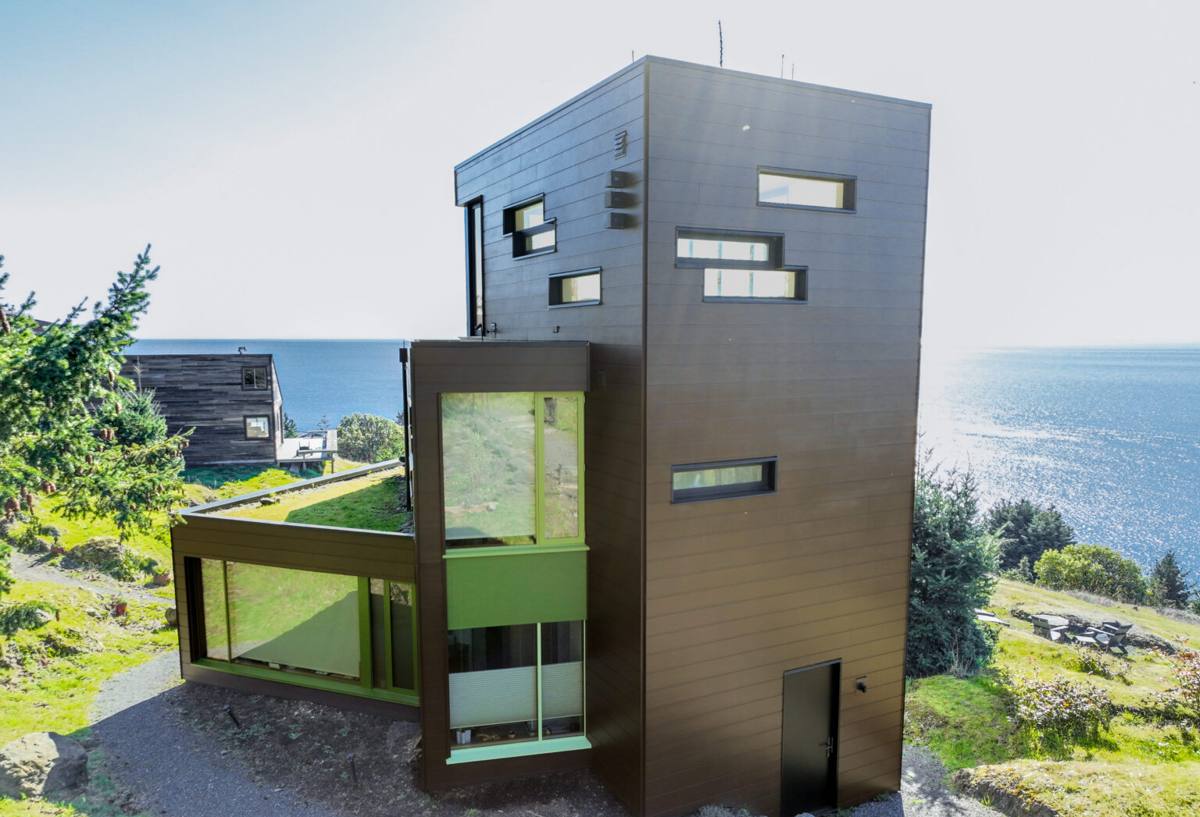
Signs a Bothell Home's Windows Are Overdue for Replacement
Most window failures here are gradual, so homeowners often live with the early warning signs for a year or two before addressing them. Watch for:
- Fogging or a permanent haze between panes — a sign the seal on a double- or triple-pane unit has failed
- Soft, spongy, or visibly darkened wood at the sill or lower frame corners
- Drafts you can feel near the frame even when the window is fully latched
- Difficulty opening, closing, or locking — often a sign the frame has swelled or shifted from moisture
- Visible gaps between the frame and siding, or cracked/missing caulk lines
- Condensation forming on the inside of the glass regularly during cooler months
- A noticeable jump in heating costs without any other explanation
Any one of these on its own might not mean full replacement is needed. Several together, especially combined with visible rot, usually does.
What a Correct Window Replacement Job Actually Involves
Swapping in a new window is the easy part. The work that determines whether it lasts happens around the window, not in it.
Flashing and Weatherproofing Come First
Before a new window ever goes in, the rough opening needs to be checked and, if needed, repaired — that means confirming the sheathing underneath is dry and sound, installing proper flashing tape or pan flashing at the sill so any water that gets past the window drains out and away from the wall, and integrating that flashing correctly with the existing house wrap or building paper. Skipping this step is the single most common cause of hidden rot behind "new" windows, and it's invisible once the trim goes back on — which is exactly why it has to be done right the first time.
Fit and Air-Seal
A window that's slightly too small or too large for its opening gets shimmed or forced, and either mistake creates a weak point for air and water infiltration. Correct fit, low-expansion foam or backer rod at the right spots, and proper interior air-sealing all matter as much as the window unit itself for keeping a home comfortable and dry through a wet Pacific Northwest winter.
Frame Material Choice
Material selection matters more here than in drier regions, because whatever's chosen has to hold up to sustained damp exposure, not just occasional rain.
| Frame Material | How It Handles PNW Moisture | Maintenance |
|---|---|---|
| Vinyl | Won't rot; performs well with proper installation and drainage | Low — occasional cleaning |
| Fiberglass | Very stable in wet/cold swings; strong long-term moisture resistance | Low |
| Wood (unclad) | Classic look but needs consistent upkeep to resist rot in this climate | High — regular repainting/sealing |
| Wood-clad (aluminum or vinyl exterior) | Exterior face resists moisture; interior keeps wood look | Moderate |
| Aluminum | Durable but conducts cold — more prone to interior condensation | Low |
There's no single "correct" material for every home — a historic house may call for a wood or wood-clad look, while a straightforward replacement project often points toward vinyl or fiberglass for the best moisture performance with the least upkeep. We'll walk through the trade-offs for your specific home rather than push one option.
Choosing the Right Window Style for a Bothell Home
Style affects performance here, not just looks. Casement windows, which seal by compressing against the frame when cranked shut, generally resist wind-driven rain better than sliding styles, since sliders rely on friction-fit seals that can loosen over time. Double-hung windows remain popular for their traditional look and easier cleaning, and modern versions perform well when installed with good flashing — but on walls that take the brunt of Sound-driven storms, casement or awning styles are often worth considering for the extra weather resistance.
Glass package matters too. Double-pane, low-E glass is the practical standard for this climate — it manages heat loss through the mild-but-persistent Puget Sound winters without the added cost of triple-pane, which tends to pay off more in colder, drier climates than in ours.
Our Process for a Bothell Window Replacement
- On-site assessment — we look at each window's condition, the surrounding wall and trim, and any signs of existing moisture damage before recommending anything
- Honest scope and estimate — you get a clear breakdown of what's needed window by window, not a one-size-fits-all quote
- Opening prep and repair — any rot or damaged sheathing found during removal gets addressed before the new window goes in, not covered up
- Proper flashing and installation — pan flashing, correct integration with the water-resistive barrier, and careful shimming for true fit
- Air-sealing and trim — interior and exterior finish work completed to shed water and look right from day one
- Final walkthrough — every window opens, closes, and locks the way it should before we call the job done
Energy Efficiency and Comfort
King County doesn't see extreme summer heat or brutal winter cold, but the region's damp chill means poorly sealed windows still show up directly in heating bills and in cold spots near exterior walls. A properly installed, low-E double-pane window reduces drafts, cuts down on that clammy cold-glass feeling in winter, and helps keep interior humidity in check — which matters in a climate where excess indoor moisture can contribute to condensation and mold issues on its own. The efficiency gain isn't just about the glass; a well-flashed, well-sealed installation is often what actually keeps conditioned air in and moisture out.
Why a Local King County Crew Matters for This Job
Window replacement done wrong is expensive to fix later, because the damage it causes hides behind trim and siding until it's advanced. A crew that regularly works in Bothell and the surrounding King County area already understands how the local rain patterns, humidity, and moss exposure affect flashing details, sill drainage, and material choice — it's not a generalized checklist, it's pattern recognition built from doing this work in this specific climate. That local familiarity is what separates a window that looks fine on install day from one that's still performing correctly five wet winters later.
Keeping New Windows Performing Long-Term
Even a correctly installed window benefits from a bit of seasonal attention in this climate:
- Clear debris and moss from sills and tracks before the wet season builds up
- Check exterior caulk lines annually for cracking or gaps
- Wipe down hardware periodically to slow salt-air corrosion
- Watch for condensation between panes as an early sign of seal failure
- Keep gutters and downspouts clear so runoff doesn't sheet directly down window walls
What Affects the Cost of a Window Replacement Project
| Factor | How It Affects Cost |
|---|---|
| Number and size of windows | More or larger openings mean more material and labor |
| Frame material | Vinyl is typically the most budget-friendly; wood and wood-clad cost more |
| Condition of existing openings | Hidden rot or sheathing repair adds time and material beyond a simple swap |
| Window style | Casement and specialty shapes generally cost more than standard double-hung |
| Glass package | Upgraded low-E coatings or gas fills add modest cost for efficiency gains |
We won't quote a price without seeing the actual windows and openings — too many of these factors only become clear on-site, and giving a number without that inspection would be a guess, not an estimate.
If your Bothell home has windows showing any of the signs above, or you're simply ready to stop losing heat and dealing with drafts through another wet King County winter, we're glad to take a look. Fill out the form below for a free, no-pressure estimate — we'll walk the exterior, check your existing windows, and give you a straight answer on what your home actually needs.