 King County
 Siding Installation Built for Kirkland's Climate
Kirkland sits right on Lake Washington, and homes near the water deal with near-constant moisture off the lake on top of the broader Puget Sound marine air that keeps King County damp for much of the year. Add in mature tree canopy on many older Kirkland lots, and you get siding that stays wet longer, sheds moss faster, and takes more punishment from wind-driven rain than siding on a drier, more exposed site would. Installing siding correctly here isn't just about getting boards on the wall straight — it's about managing water the whole system has to deal with for the next thirty-plus years.
We install exclusively James Hardie fiber cement siding, and this page is specifically about what that looks like for a Kirkland home: what the climate demands, what a correct installation actually involves, how our process runs from first call to final inspection, and why using a crew that already works in this area matters more than it might seem.
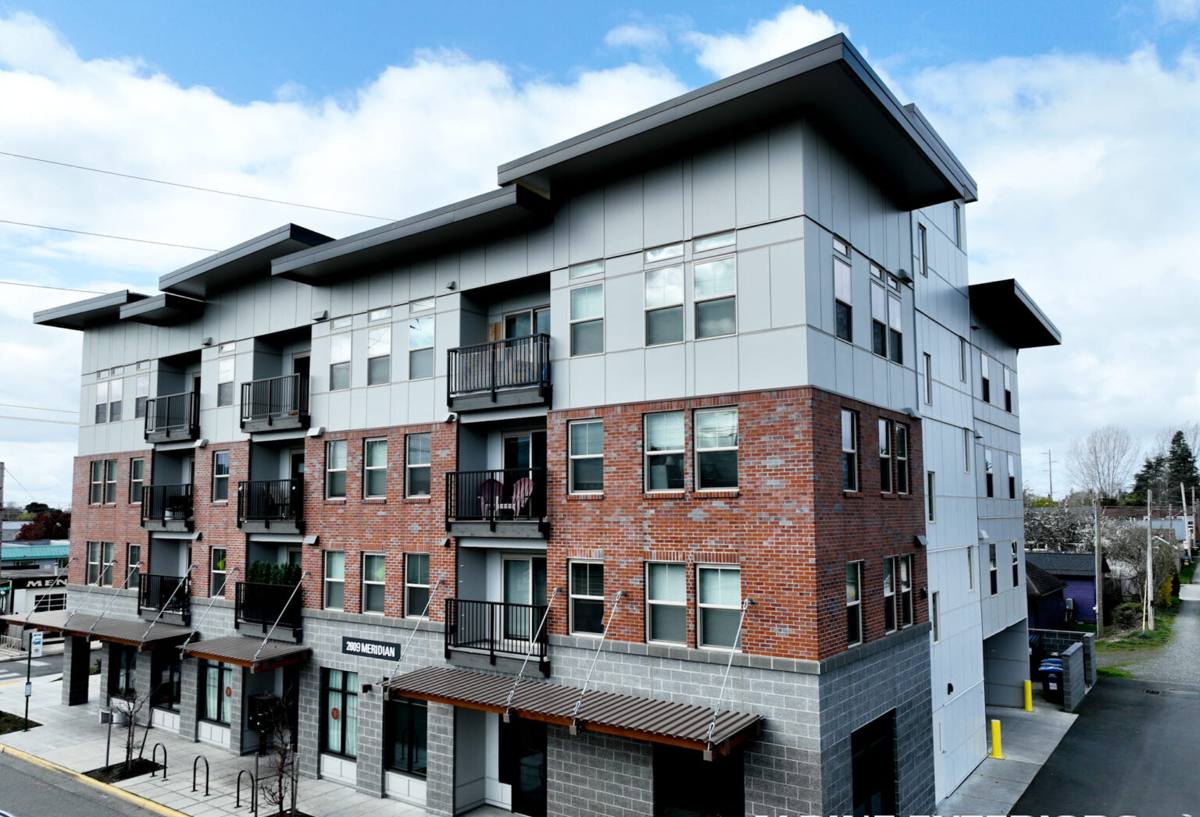
What Kirkland's Weather Actually Does to Siding
King County's Pacific Northwest climate is mild, which lulls people into thinking siding here has it easy. It doesn't. The combination that wears siding down isn't extreme heat or cold — it's persistent, low-grade moisture exposure that never fully lets up.
Driving Rain
Storms coming off the Sound often arrive with real wind behind them, which pushes rain sideways into wall assemblies rather than letting it simply run down and off. Siding, trim, and the flashing details behind them need to be able to shed that water without letting it track backward into the wall.
Moss and Algae Season
Shaded, north-facing, and tree-covered walls in Kirkland can stay damp for weeks at a stretch, especially from fall through spring. That's exactly the environment moss and algae need to take hold. On untreated wood-based or fiber-based siding without a factory finish, that growth isn't just cosmetic — it holds moisture against the surface and accelerates wear.
Cycling Moisture, Not Freeze-Thaw
Kirkland doesn't get the hard freeze-thaw cycling that damages siding in colder climates, but it gets something almost as tough on materials: siding that's wet more often than it's fully dry. Products that absorb water, swell, or need frequent recoating struggle under that pattern more than a stable, factory-finished fiber cement product does.
What a Correct Siding Installation Involves
The siding itself only does part of the job — most long-term failures trace back to what's underneath it or how it was fastened, not the board itself. A correct installation in this climate includes:
- A continuous water-resistive barrier installed over sound sheathing, lapped correctly so water always drains outward and down, never behind the barrier.
- Properly flashed windows, doors, and penetrations — the majority of moisture intrusion we see traces back to poor flashing, not the siding material itself.
- Correct fastener placement and spacing, following the manufacturer's engineering specs rather than "close enough" field judgment.
- Proper clearances from grade, roof lines, decks, and horizontal surfaces so siding isn't sitting in standing water or trapped moisture.
- Factory-primed and factory-finished cut edges sealed in the field, so no exposed edge becomes a moisture entry point.
- Rain-screen or drainage detailing where the wall assembly calls for it, giving water a path to escape rather than sit against the siding.
Skip any one of these and the siding can still look fine on move-in day while quietly failing behind the surface for years. This is where most of the "we should have hired someone else" stories homeowners tell start.
Why We Install James Hardie and Nothing Else
We made a deliberate decision to install only James Hardie fiber cement siding, and we don't apologize for it or pretend other products don't have their place. Vinyl, LP SmartSide, primed wood, and other fiber cement brands each have trade-offs — lower upfront cost, different install tolerances, different maintenance expectations. For a climate like King County's, where siding sits wet more often than it sits dry, those trade-offs stacked up against the products we chose not to carry.
Non-Combustible and Dimensionally Stable
Fiber cement doesn't expand and contract with moisture the way wood-based products can, and it doesn't soften or delaminate under repeated wetting. That stability matters more in a marine climate than in a dry one.
ColorPlus Factory Finish
Hardie's ColorPlus finish is baked on at the factory under controlled conditions, which gives it better adhesion and UV resistance than field-applied paint typically achieves — and it means moss and mildew have less of a foothold on the surface itself compared to unfinished or site-primed materials.
Climate-Engineered HZ Product Lines
James Hardie engineers its HZ5 product line specifically for cold and wet climate zones, which the Pacific Northwest falls into. That's a material designed around the exact moisture cycling Kirkland homes experience, not a general-purpose product used everywhere regardless of climate.
A Warranty Built to Transfer
Hardie backs its siding with a strong, transferable limited warranty. For homeowners who may sell within the life of the siding, that transferability protects resale value in a way a shorter or non-transferable warranty doesn't.
How Our Process Works
- On-site assessment. We walk the home, check the current siding and sheathing condition, look for signs of moisture intrusion, and talk through what you actually want out of the project.
- Honest scope and estimate. You get a clear breakdown of what needs to happen — full tear-off versus repair, sheathing repair if we find rot, trim and flashing work — with no pressure to decide on the spot.
- Tear-off and inspection. Old siding comes off and we inspect the sheathing underneath before anything new goes up. This is often where hidden moisture damage from a previous poor installation shows up.
- Weather barrier and flashing. We install or repair the water-resistive barrier and flash every window, door, and penetration correctly before a single piece of siding goes on.
- Hardie installation to spec. Fastening, spacing, clearances, and joint treatment follow James Hardie's published installation requirements — the details that determine whether the warranty is actually valid.
- Final walkthrough. We go over the finished job with you directly so you know what was done and why.
Cost Factors to Understand Before You Get Quotes
Siding pricing varies by home size, existing condition, and product line, so we won't invent numbers here — but these are the factors that actually move a quote up or down, and worth asking any contractor about directly.
| Factor | Why It Matters in Kirkland |
|---|---|
| Sheathing condition under old siding | Moisture-prone lots mean hidden rot is more common than in drier climates, and repair adds cost you can't see until tear-off |
| Full tear-off vs. install over existing siding | Installing over old siding can trap moisture behind the new layer — we don't recommend it here given how wet walls stay |
| Product line (HardiePlank, HardiePanel, HardieShingle) | Different profiles suit different home styles and affect both material and labor cost |
| Trim and flashing scope | Homes with more window and door openings need more flashing detail work, which is labor-intensive but critical here |
| Home access and lot conditions | Mature trees, sloped lots, and tight side yards common in Kirkland can add labor time |
Why a Local Crew Matters More Than It Sounds
A contractor who already works Kirkland regularly isn't just convenient — it changes the quality of the job in a few concrete ways. We already know the moisture patterns that show up on lakeside and tree-shaded lots in this part of King County, so we're not guessing at flashing details or drainage planning. We're familiar with the county's permitting expectations for exterior work, which keeps the project moving instead of stalling on paperwork. And because we're not driving in from out of the area, callbacks and warranty follow-up are straightforward rather than a scheduling headache.
None of that replaces a correct installation — but it means the crew doing the work has actually seen how this climate treats a wall assembly over time, not just in a training manual.
Signs Your Kirkland Home May Need New Siding
- Visible moss or dark streaking that returns quickly after cleaning
- Soft spots, bubbling, or warping anywhere on the siding surface
- Peeling or chalky paint on wood-based siding that no longer holds a fresh coat well
- Gaps opening up at seams, corners, or around window and door trim
- Musty smell or visible staining on interior walls near exterior corners
- Siding that flexes or feels hollow when pressed firmly by hand
Any one of these is worth a look before it becomes a sheathing problem rather than a siding problem.
Maintenance Expectations Once It's Installed
James Hardie siding with a ColorPlus finish is low-maintenance, not no-maintenance. In Kirkland's climate, that means an occasional rinse to keep moss and organic buildup from establishing on the surface, a periodic check of caulking at trim joints and penetrations, and prompt attention if you ever notice a fastener working loose or a corner trim piece pulling away. None of that compares to the repainting cycle wood siding demands, but it's still worth doing so the siding performs for its full service life rather than just looking fine for the first few years.
If your Kirkland home's siding is showing its age, or you're planning ahead rather than reacting to a problem, we're happy to come take a look. The estimate is free, there's no pressure, and you'll get a straight answer about what your home actually needs — just fill out the form below.