 King County
 Mercer Island Roofs Work Harder Than Most People Realize
Mercer Island sits in a pocket of King County where moisture is a year-round fact of life, not a seasonal inconvenience. Between the long, wet winters, the tree cover that shades large sections of many roofs, and the moisture-heavy air that moves through the broader Puget Sound region, an asphalt shingle roof here is doing more work than the same roof would in a drier climate. Driving rain finds its way into every gap that isn't properly flashed or sealed, and shaded, north-facing slopes can stay damp for days after a storm has passed. None of that means asphalt shingles are a poor choice for this area — they're still the most practical, cost-effective roofing material for the vast majority of Mercer Island homes. It means the installation has to account for the conditions, not just follow a generic spec sheet.
This page is about one thing: doing asphalt shingle roofing correctly for homes on Mercer Island, given what this climate actually does to a roof over time.
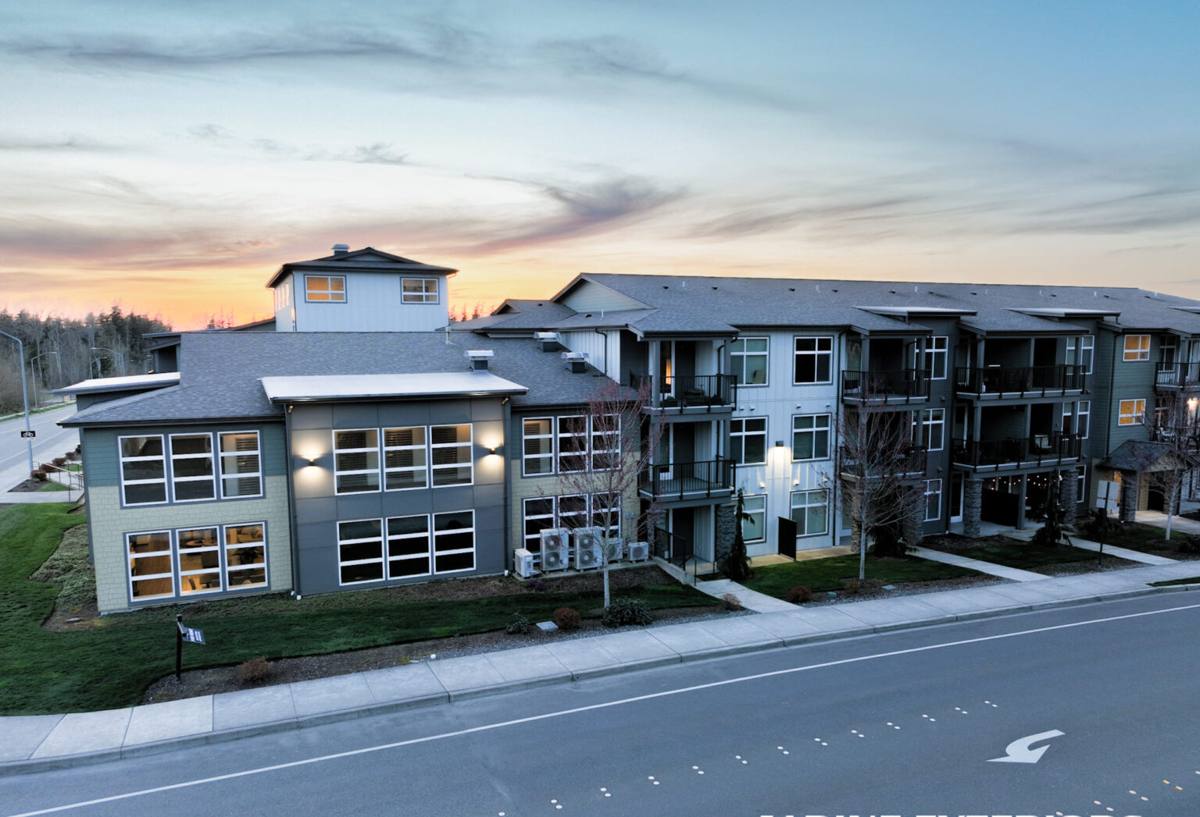
What This Climate Does to a Shingle Roof
Moss and Algae Growth
King County's long, mild, wet stretches — especially fall through spring — create ideal conditions for moss and algae to take hold on roofing surfaces. Moss isn't just a cosmetic issue. Its root structures work into the granule surface of a shingle and lift the tabs slightly, which lets water sit against the shingle instead of running off. Over years, that shortens the life of the roof and can lead to soft decking underneath. Shaded roof sections and north-facing slopes that don't get direct sun to dry out are the most common trouble spots.
Driving Rain and Wind-Driven Water
Storms coming off the Sound often bring rain at an angle rather than straight down. Wind-driven rain gets pushed up under shingle edges, into valleys, and around any penetration — vents, chimneys, skylights — that isn't flashed correctly. A roof that would hold up fine in a calm, straight-down rain climate can leak in this one if the underlayment and flashing details aren't built for wind-driven moisture specifically.
Temperature Swings and Freeze-Thaw
King County doesn't see the deep freezes of colder climates, but it does see enough freeze-thaw cycling in the winter months to stress shingles that are already saturated or moss-compromised. Water that's trapped under lifted shingle tabs can freeze, expand, and accelerate granule loss and cracking.
Choosing the Right Shingle for This Environment
Not every asphalt shingle product is built the same way, and the differences matter more in a wet, moss-prone climate than they would somewhere dry. We generally steer Mercer Island homeowners toward architectural (laminated) shingles with algae-resistant granules, for reasons that come down to physics and maintenance burden rather than brand preference.
| Shingle Type | Typical Lifespan (This Climate) | Moss/Algae Resistance | Best Fit |
|---|---|---|---|
| 3-Tab (standard) | 15-20 years | Low unless treated | Budget-driven projects, simple roof lines |
| Architectural (laminated) | 25-30 years | Moderate | Most Mercer Island homes |
| Algae-Resistant Architectural | 25-30 years | High (copper/zinc granules) | Shaded lots, north-facing slopes, tree-heavy properties |
The algae-resistant granule treatment matters more here than in most parts of the country. Copper or zinc particles mixed into the granule surface release trace amounts that discourage algae and moss growth over time. It's not a permanent fix — nothing is — but on a shaded Mercer Island roof, it can meaningfully extend the interval between moss treatments and reduce how aggressively moss establishes itself in the first place.
What a Correct Installation Actually Involves
An asphalt shingle roof is only as good as what's underneath it. In this climate, the underlayment and flashing details do as much work as the shingles themselves, and cutting corners here is where most premature leaks and roof failures start.
Ice and Water Shield at Vulnerable Points
Self-adhering membrane belongs at the eaves, in all valleys, and around every roof penetration — not just where code minimums require it. These are the spots where wind-driven rain and standing meltwater are most likely to find a way in, and the membrane gives a second line of defense underneath the shingle layer.
Proper Underlayment Coverage
A synthetic underlayment across the full deck, correctly lapped and fastened, keeps the roof watertight during the install itself and adds a backup layer for the life of the roof. Given how often King County sees rain in the shoulder seasons, a roof that can't shed water reliably during construction is a roof that starts its life with hidden moisture already in the deck.
Flashing That's Built for the Detail, Not Just the Code Minimum
Chimneys, skylights, sidewalls, and valleys each need flashing shaped and installed for that specific condition — step flashing at sidewalls, properly formed valley metal or woven shingle valleys, counter-flashing at chimneys. Reused or improperly formed flashing is one of the most common causes of the "mystery leak" calls we get on older Mercer Island roofs.
Nailing Pattern and Fastening
Asphalt shingles are rated for wind resistance based on a specific nailing pattern with a specific number of fasteners placed in the manufacturer's nailing zone. Under-nailing or misplaced nails is a warranty-voiding shortcut that also makes a roof more likely to lose shingles in a windstorm — a real risk during the gusty fall and winter systems that move through the area.
Ventilation Built Into the System
A shingle roof needs balanced intake (soffit) and exhaust (ridge or other) ventilation to let the attic breathe. Without it, moisture generated inside the home gets trapped against the underside of the roof deck, which can rot sheathing from the inside and shorten shingle life from beneath — a slower, less visible version of the same moisture problem the climate causes from above.
Cost Factors on a Mercer Island Re-Roof
Every roof is different, so we don't quote sight-unseen, but the same handful of factors drive price on nearly every project we look at. Knowing them ahead of time makes the estimate conversation more useful.
| Factor | Why It Affects Cost |
|---|---|
| Roof pitch and access | Steeper roofs and limited access (tight lots, mature trees) slow the work and require more safety setup |
| Number of existing layers | Tear-off of multiple old layers takes longer and adds disposal cost versus a single-layer tear-off |
| Shingle tier | Standard 3-tab, architectural, and algae-resistant architectural products carry different material costs |
| Decking condition | Rotted or soft sheathing found during tear-off has to be replaced before new roofing goes down |
| Ventilation upgrades | Adding or correcting intake/exhaust ventilation is often worth doing during a re-roof rather than after |
| Roof complexity | Valleys, dormers, skylights, and chimneys each add labor and flashing detail |
How Our Process Works
We keep the process straightforward and try to remove the guesswork for the homeowner.
- On-site inspection: We walk the roof (or use a lift/drone where pitch or access requires it) and check the deck, flashing, ventilation, and current shingle condition — not just a drive-by look.
- Written estimate: A clear scope of work and price, including shingle options and any decking or ventilation work we'd recommend and why.
- Material delivery and protection: Landscaping, gutters, and siding get protected before tear-off begins.
- Tear-off and deck inspection: Old roofing comes off down to the deck so we can actually see what's underneath before covering it back up.
- Underlayment, flashing, and shingle installation: Built in the order and detail described above, not skipped for speed.
- Cleanup and magnetic sweep: Job site and yard cleared of debris and stray fasteners before we consider the job done.
- Final walkthrough: We review the finished roof with the homeowner before we call it complete.
Maintenance That Actually Extends Roof Life Here
An asphalt shingle roof installed correctly for this climate still needs periodic attention. The maintenance that matters most in King County isn't complicated, but it's easy to let slide.
- Have moss and debris cleared from the roof surface before it builds up thick enough to hold moisture against the shingles — soft-washing rather than aggressive scraping protects the granule layer.
- Keep gutters and downspouts clear so water isn't backing up under the shingle edge at the eaves during heavy rain.
- Trim back tree limbs that shade roof sections or drop debris, since shade and organic debris are the two biggest drivers of moss growth.
- Have the roof looked at after any significant windstorm, especially if you notice granules collecting in gutters or downspouts.
- Check attic ventilation isn't blocked by insulation at the soffits, which quietly defeats the ventilation system even on a well-built roof.
Signs a Roof Needs Professional Attention
Homeowners don't need to climb a ladder to catch most early warning signs. Watch for granules collecting in gutters, shingle tabs that look curled or lifted from the ground, visible moss patches, dark streaking, or any staining on interior ceilings after a storm. Any of these is worth a professional look before it turns into a deck repair.
Why Local Experience on Mercer Island Matters
A crew that works Mercer Island regularly already knows which slopes on a given lot orientation tend to hold moss, how tree cover on wooded properties affects drying time after a storm, and what flashing details tend to fail first on homes of a certain age in this area. That's not something you can fully substitute with a generic install checklist. It shows up in small decisions — where to add an extra course of ice and water shield, whether a ventilation upgrade is worth recommending, how a valley should be detailed given the roof's exposure — that add up to a roof that actually performs the way it's supposed to for the full length of its expected life, not just the first few dry summers.
If you're weighing a repair against a full replacement, or just want a straight answer on what your current roof's condition actually calls for, we're happy to take a look. Reach out for a free, no-pressure estimate using the form below — we'll walk the roof, tell you what we see, and give you options rather than a hard sell.