 King County
 Building New on Mercer Island Means Getting Windows Right the First Time
New construction gives you one real shot at a window installation done correctly. There's no old caulk to scrape off, no rotted sill to work around — just a bare rough opening, a window schedule, and a builder's timeline. On Mercer Island, where a large share of homes going up are full rebuilds or ground-up new builds on reclaimed lots, that first-shot installation has to account for a King County climate that will test every seam for the next 40-plus years. We install new-construction windows on Mercer Island as part of the broader King County market we work in every week, which means we show up already familiar with how this island's building conditions differ from a typical suburban lot.
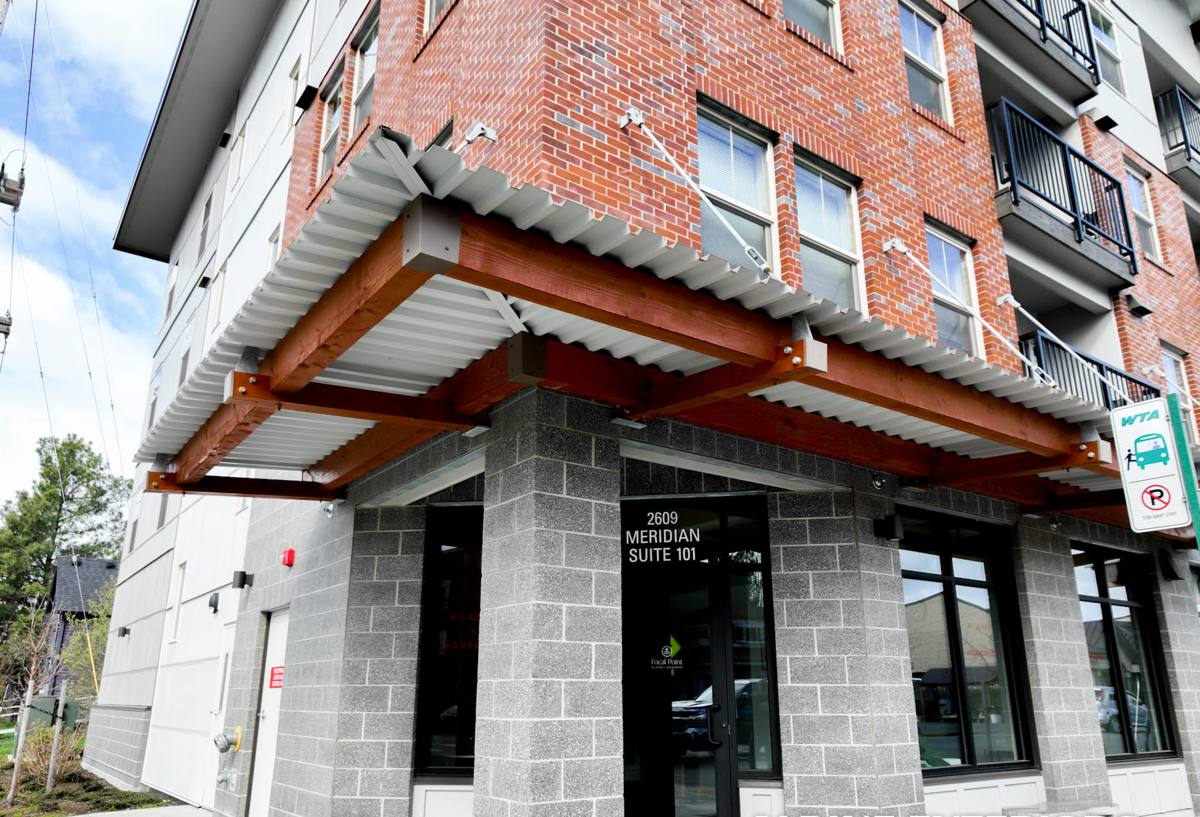
Why Mercer Island New Construction Is Different
Teardown-and-rebuild lots
A lot of Mercer Island's new construction sits on lots where an older home was removed to make way for a larger one. These builds often push bigger footprints and taller wall assemblies onto lots that weren't originally designed for them, which means window openings sized differently than what a typical framing crew sees on a standard subdivision job. Getting rough opening sizing, header height, and shim space right the first time avoids expensive callbacks once siding and trim are already in place.
View-driven design
Being surrounded by Lake Washington with sightlines toward both the Seattle and Bellevue skylines, a lot of Mercer Island new construction is designed around glass — larger window units, taller openings, and more glazing per wall than older homes on the island typically had. Bigger glass means heavier sashes, more structural framing to coordinate with, and more linear feet of flashing and sealant joint per opening. None of that is a problem if it's planned for from the framing stage; it becomes a problem when the window contractor is treating a 6-foot picture window the same way they'd treat a standard 3-foot unit.
What a Correct New-Construction Window Install Actually Involves
New-construction installation isn't just setting a window into a hole and running a bead of caulk around the outside. Done right, it's a sequence, and skipping a step in that sequence is exactly how water ends up inside a wall cavity years later, long after the drywall and siding are covering the mistake.
Rough opening and flashing
Before a window ever goes in, the rough opening needs to be square, properly sized, and flashed in the correct order — sill first, then jambs, then head, each layer overlapping the one below it so water is shed outward at every course. This is the single most important step in the entire installation and the one most likely to get rushed on a tight construction schedule.
Water-resistive barrier integration
The window's flashing has to tie into the house wrap or weather-resistive barrier correctly, not just get taped over it. Where the window flange meets the WRB is where a huge share of long-term leaks originate on new builds, and it's an area that's invisible once siding goes on — which is exactly why it has to be done right the first time, not caught later.
Sill pans and sealants
A sloped or pre-formed sill pan under the window gives any water that does get past the exterior seal somewhere to go besides into the framing. Combined with the correct sealant at the right joints — sealed where water needs to be stopped, left open where the assembly needs to drain or vent — this is what separates a window that performs for decades from one that starts showing interior staining within a few winters.
King County's Climate and What It Demands From New Windows
King County's marine climate means long stretches of driving rain, especially through fall and winter, and an extended damp season that keeps north-facing walls, eaves, and shaded corners of a home wet for weeks at a time. That sustained moisture is what drives moss growth on roofs and siding across the region, and it's also what finds any gap in a window's flashing or seal that wasn't done correctly. A window that's watertight during a light shower can still fail under the kind of wind-driven, sideways rain King County sees regularly — which is why new-construction flashing details matter more here than they would in a drier climate. Being surrounded by Lake Washington adds its own layer of ambient humidity to Mercer Island specifically, which is one more reason we don't treat flashing and drainage details as optional steps to speed through.
Choosing Window Materials and Performance for a Mercer Island Build
New construction gives you more flexibility on window material than a replacement project does, since the frame and structure are being built to accommodate whatever you choose. The right call usually comes down to budget, maintenance tolerance, and how the windows need to look against the rest of the exterior design.
| Material | Moisture Performance | Maintenance | Typical Fit |
|---|---|---|---|
| Vinyl | Good — won't rot, some frame flex over time | Low | Budget-conscious builds, secondary spaces |
| Fiberglass | Very good — dimensionally stable in wet/dry cycles | Low | Larger openings, energy-focused builds |
| Wood interior / clad exterior | Good exterior protection, but interior wood needs care if exposed to moisture | Moderate | Higher-end finish, view homes |
| Aluminum | Prone to condensation without thermal breaks | Low | Modern designs, needs a thermally broken frame in this climate |
Whatever material you land on, Washington's energy code sets minimum performance requirements for new-construction glazing, and your window schedule needs to be checked against those requirements before orders go in — not after they've been installed. We flag this during the estimate stage so there are no surprises at final inspection.
How We Work With Your Builder or GC
Most of our Mercer Island new-construction work happens as a subcontract to a general contractor or builder, which means our schedule has to fit inside theirs, not the other way around. That looks like:
- Reviewing the window schedule and rough opening dimensions against the actual framing before install day, not after
- Coordinating install timing with the WRB/house wrap stage so flashing gets tied in correctly the first time
- Confirming egress, energy code, and safety glazing requirements are met for each opening before it's ordered
- Being available for the framing and weatherization inspections that new construction requires
- Communicating directly with your GC on any field changes — header heights, trim details, or glass sizing that shift mid-build
We'd rather have that conversation with your builder before an opening is framed than after windows have already been ordered to the wrong size.
Mistakes We See on New Builds (and How We Avoid Them)
- Flashing installed out of order, so water gets directed behind the barrier instead of over it
- Sealant used to compensate for a rough opening that wasn't properly prepped or squared
- Window flanges not fully integrated with the house wrap, leaving a gap right where water pressure is highest
- No sill pan under larger openings, where the volume of water an oversized picture window can shed is higher than a standard-size unit
- Ordering glazing that doesn't meet the project's energy code requirements, caught only at final inspection
Every one of these is preventable with a careful installer who slows down at the steps that matter, even when the broader construction schedule is moving fast.
Why a Local King County Crew Matters for This Kind of Project
Mercer Island sits on Lake Washington between Seattle and Bellevue, reached by the I-90 floating bridges, which means access, staging, and delivery logistics are a real part of planning a job here — not an afterthought. A crew that already works across King County knows how to schedule material deliveries and crew time around that, and knows what the island's permitting and inspection process expects from a new-construction window install before we ever show up. That familiarity means fewer surprises for your builder, fewer delays waiting on us to figure out logistics on the fly, and an installation crew that's used to the exact combination of driving rain, long wet seasons, and view-driven design that defines building on Mercer Island.
Ready to Talk About Your Project?
If you're working with a builder on a new home or full rebuild on Mercer Island, we're glad to look at your window schedule and plans and give you a straightforward, no-pressure estimate — no inflated numbers, no pressure to upgrade beyond what your build actually needs. Fill out the form below and we'll follow up to talk through timing, materials, and how we'd fit into your construction schedule.