 King County
 Why Mercer Island Siding Wears Out Faster Than Homeowners Expect
Mercer Island sits surrounded by water, and that changes what siding has to survive here. Homes on the island take on near-constant moisture off the lake, driving rain that comes in sideways during fall and winter storms, and a moss and algae season that runs longer than almost anywhere else in King County. Add in tree cover on many lots, shaded north and east elevations that rarely fully dry out, and the general marine dampness that defines this part of the Puget Sound region, and you have a climate that is genuinely hard on exterior materials — even ones marketed as low-maintenance.
Most siding failures we see on Mercer Island aren't dramatic. They're slow: a soft spot near a downspout, a seam that's opened up half a millimeter, paint that's stopped sheeting water the way it used to. By the time it's visible from the street, moisture has usually been working behind the surface for a season or two already. That's the core problem with siding replacement here — it's not just a cosmetic upgrade, it's a decision about what your home's envelope will be doing every single wet week for the next 20-30 years.
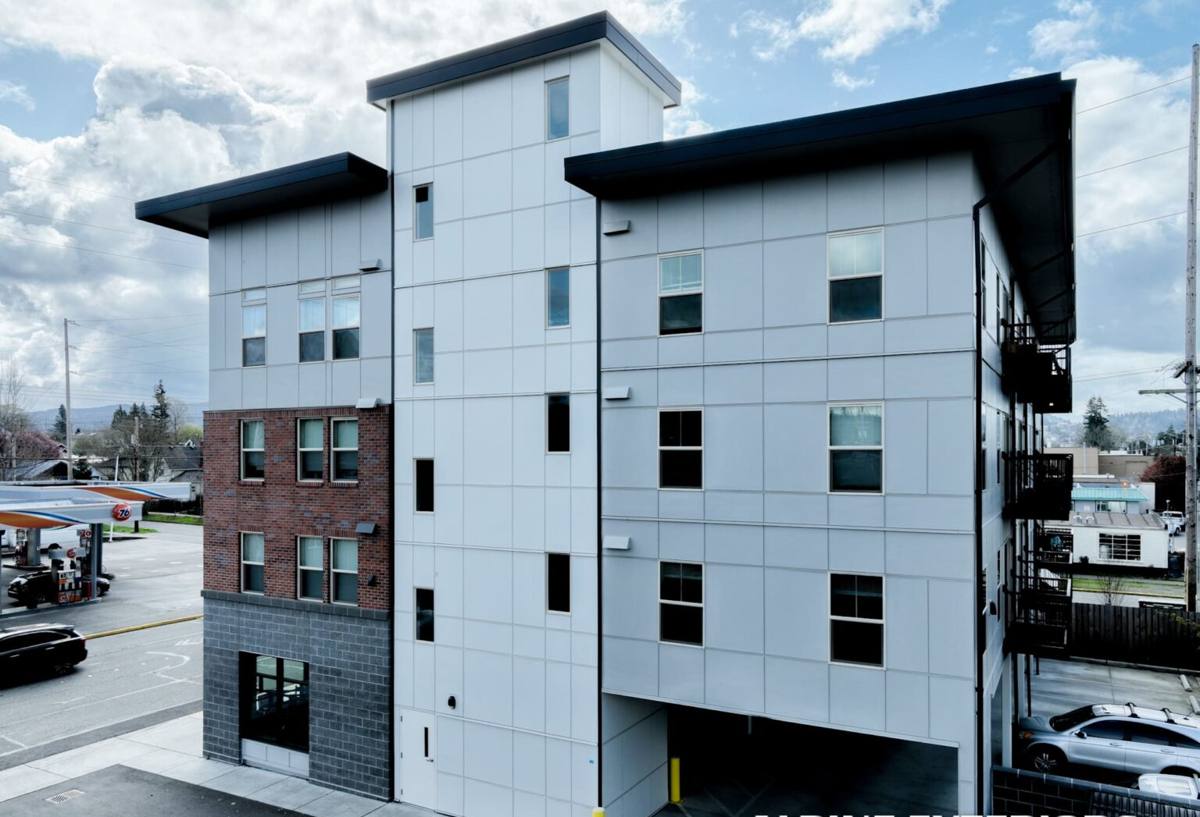
What a Correct Siding Replacement Actually Involves
Full Tear-Off and Substrate Inspection
We don't install new siding over old siding, and we don't install over sheathing we haven't looked at. A proper replacement starts with removing the existing cladding entirely so we can see what's underneath — sheathing condition, framing, window and door flashing, and any hidden rot or water staining. On a moisture-prone island like this one, that inspection step matters more than almost anything else in the job. Covering up a soft spot with new siding just delays a much bigger repair.
Weather-Resistive Barrier and Flashing
Siding is the visible layer, but the weather-resistive barrier and flashing details behind it are what actually keep water out of the wall assembly. Every penetration — windows, doors, hose bibs, light fixtures, vents — needs to be flashed and integrated with the barrier correctly, with proper laps and drainage paths so any water that gets behind the cladding has somewhere to go besides your framing. This is the part of the job that's invisible once it's done, and it's also the part that determines whether the siding lasts.
Installation to Manufacturer Specification
Fiber cement siding has real installation tolerances — fastener spacing, clearance from grade and roof lines, gaps at butt joints, caulking practices. Skipping or shortcutting these doesn't usually cause a visible problem in year one. It shows up in year five or ten as swelling, cracking, or a voided warranty. Correct installation is slower and less forgiving than people expect, which is exactly why it matters who's doing it.
Why We Install Only James Hardie Fiber Cement Siding
We made a decision a long time ago to standardize on one product system rather than offer a menu of options, because on a job this consequential, the product matters as much as the labor. We don't install vinyl, LP SmartSide, Cemplank, Allura, primed spruce, or cedar. That's not a knock on every homeowner who has one of those products on their house today — it's a statement about what we're willing to warranty and stand behind on a wet, moss-prone island where siding gets tested every single winter.
Vinyl is inexpensive and easy to install, but it's a thin plastic product that expands and contracts with temperature, can crack in impact, and simply doesn't hold paint or stand up visually the way fiber cement does over decades. LP SmartSide and other engineered wood products use a wood-strand core that, however well-treated, is still wood at its core — it depends on caulking, paint maintenance, and clean drainage details staying perfect indefinitely in a climate that doesn't offer much of a dry season to recover in. Primed spruce and cedar are beautiful natural materials, but they require the most ongoing maintenance of anything on this list, and in a marine climate with a long moss season, that maintenance burden compounds fast. Other fiber cement brands like Cemplank and Allura make reasonable products, but we've built our installation training, our warranty relationships, and our color program entirely around one manufacturer, and we think that focus produces a better result than spreading across several.
James Hardie is a non-combustible fiber cement product engineered specifically for regional climate exposure, with a factory-applied ColorPlus finish that's baked on rather than site-painted, and a transferable warranty structure that follows the house if you sell it. It doesn't rot, it resists moisture intrusion far better than wood-based products, and it holds its color and profile for decades when installed to spec. For a place like Mercer Island, where the material sits under sustained lake moisture and a long moss season every year, that combination is what we're willing to put our name behind.
James Hardie Product Lines for a Lake-Surrounded Climate
Hardie makes several distinct product lines, and the right one depends on your home's architecture and exposure, not just personal preference.
| Product Line | Best Use | Why It Fits This Climate |
|---|---|---|
| HardiePlank Lap Siding | Traditional and craftsman-style homes | Most common choice; horizontal laps shed driving rain efficiently when installed with correct overlap |
| HardiePanel Vertical Siding | Modern and board-and-batten looks | Clean vertical drainage lines; popular on newer Mercer Island builds and additions |
| HardieShingle | Accent gables, dormers, transitional zones | Staggered or straight-edge shingle profile for detail work without going full wood shake |
| HardieTrim | Corners, fascia, window and door surrounds | Matches the fiber cement performance of the field siding instead of mixing in wood trim that ages differently |
HZ5 and HZ10 engineered products are formulated for regions with more moisture and freeze-thaw cycling, which is relevant for shaded, tree-covered lots around the island that stay damp longer after storms. We'll walk through which line and finish level fits your home's actual exposure — sun, shade, wind direction, roofline — rather than defaulting to one option for every house.
Our Process, Start to Finish
- On-site assessment — we look at your current siding, trim, flashing, and any visible moisture damage before quoting anything.
- Scope and product selection — we walk you through which Hardie line, profile, and finish fits your home and budget.
- Written estimate — a clear, itemized quote with no vague allowances buried in the fine print.
- Tear-off and substrate repair — old siding comes off, sheathing and framing get inspected, and any rot found gets repaired before anything new goes on.
- Weather barrier and flashing installation — the part that determines long-term performance, done to manufacturer and code detail.
- Siding installation — installed to Hardie's fastening, clearance, and joint specifications, not shortcuts.
- Trim, caulking, and final detailing — the finish work that makes the job look right and seal correctly.
- Final walkthrough — we go over the completed work with you before calling the job done.
Cost Factors for Mercer Island Siding Replacement
Every home is different, and we won't quote a number without seeing yours, but these are the variables that actually move the price:
| Factor | Why It Matters |
|---|---|
| Home size and story count | More surface area and higher elevations mean more material, labor, and staging |
| Existing substrate condition | Hidden rot or water damage found during tear-off requires repair before new siding goes on |
| Product line and profile | Lap, panel, and shingle products carry different material and labor costs |
| Trim and detail complexity | Homes with more corners, dormers, and window surrounds take more labor per square foot |
| Site access | Steep lots, tight side yards, and lake-view homes with limited staging areas common on the island can add logistics time |
| Finish level | Factory ColorPlus finish versus field-applied paint affects both cost and long-term maintenance |
Signs Your Mercer Island Home Needs Siding Replacement Now
- Soft, spongy, or bubbling spots when you press on the siding, especially near the bottom courses or under windows
- Paint that's peeling, chalking heavily, or failing to shed water like it used to
- Persistent moss, algae, or dark streaking that comes back within weeks of cleaning
- Visible gaps, warping, or separation at seams and trim joints
- Rising heating bills that suggest the wall assembly is no longer performing as insulation and a barrier
- Interior signs — stained drywall, musty smell, or peeling interior paint near exterior walls
Any one of these on its own might be minor. Two or more together, especially heading into another wet winter, is usually a sign the current siding is past the point where patching makes sense.
Why Hiring a Crew That Already Works Mercer Island Matters
Siding installation isn't uniform across King County. A crew that mostly works drier, more sheltered inland neighborhoods can do fine work and still underestimate what a lake-surrounded, shaded, moss-heavy lot demands in terms of flashing detail and drainage planning. Working regularly on the island means we already understand the permitting expectations, the typical lot constraints — narrow side yards, steep grades, limited staging space — and the specific moisture patterns that come from being this close to open water on multiple sides.
It also means we're not guessing at product performance. We've seen how Hardie siding holds up here over years, not just in a manufacturer's spec sheet, and we adjust details like flashing laps and ventilation gaps based on what actually shows up on King County homes, not a generic national installation guide.
A Straightforward, No-Pressure Next Step
If your siding is showing wear, or you're just trying to plan ahead before it becomes a bigger repair, we're glad to come take a look. We'll give you an honest read on what's going on with your current siding, walk you through the Hardie products that fit your home, and put together a clear estimate — no pressure, no hard sell. Use the form below to request your free estimate.