 King County
 Board & Batten in a Neighborhood Built on Character
Queen Anne's housing stock spans everything from early-1900s craftsman homes on the hill to newer construction with clean, modern lines. Board & batten siding shows up in both worlds — it reads as classic farmhouse on an older bungalow and as crisp, contemporary paneling on a remodel or new build. That versatility is a big reason it keeps coming up in conversations with Queen Anne homeowners: it's one of the few siding profiles that can match either direction a house is trying to go.
But the vertical board-and-batten look is not a cosmetic choice you can bolt onto any material and expect to perform the same way. The profile itself — wide flat panels with narrow battens covering the seams — creates specific water-management challenges that matter more in Seattle's climate than in drier parts of the country. Getting the look right is easy. Getting the system behind the look right is where most of the work actually is.
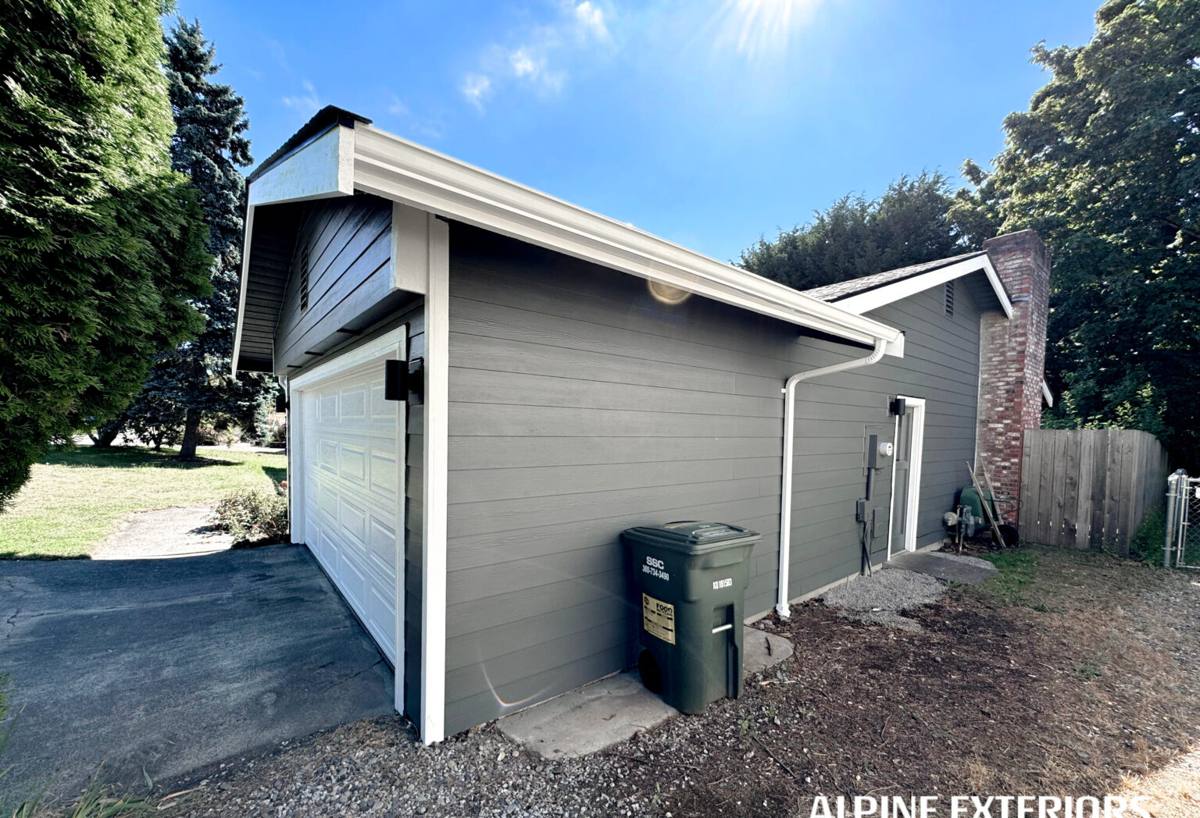
What Queen Anne's Climate Actually Does to Vertical Siding
Queen Anne sits close enough to Puget Sound that homes on the hill and its slopes deal with a mix of salt-laden air, wind-driven rain, and a moss season that can stretch for months. None of these are exotic conditions for King County, but board and batten siding is more exposed to their effects than horizontal lap siding for a few reasons:
- Vertical seams collect and channel water differently. Battens create a series of narrow vertical joints running the full height of the wall — if those joints aren't detailed correctly, water has a straight path down behind the siding instead of shedding off the face of it.
- Salt air accelerates corrosion of fasteners and metal flashing. Board and batten construction uses more exposed fastening than a lap profile, and cheap or under-spec fasteners fail faster this close to the Sound.
- Moss and organic growth thrive in the moisture pocket behind battens. If there's no ventilation gap, moisture gets trapped, and that's exactly the environment moss, algae, and eventually rot need.
- Driving rain off the water finds every installation shortcut. Storms coming off the Sound don't fall straight down — they hit siding at an angle, which tests every seam, corner, and penetration far harder than a calm rain would.
None of this means board and batten is a bad choice for a Queen Anne home. It means the installation details — the ones a homeowner can't see once the job is finished — carry more weight here than in a milder, drier climate.
Where Board & Batten Installations Actually Go Wrong
Most board and batten failures we get called to look at trace back to the same handful of mistakes, usually made to save time or money during installation:
Battens Fastened Directly Over Panel Seams Without a Gap
If the batten sits flush against the panel with no space for water to escape, moisture that gets behind the batten has nowhere to go except into the wall assembly.
No Rainscreen or Drainage Plane
A furring strip or drainage wrap behind the siding gives trapped moisture a way out. Skip it, and even a well-caulked installation eventually traps enough water to cause problems.
Face-Nailing Through Both Panel and Batten
Fastening through both layers at once locks the assembly together in a way that doesn't allow for the material's normal expansion and contraction, which telegraphs as cracking or splitting at the fastener points over time.
Caulk Used as a Substitute for Flashing
Caulk is a maintenance item, not a waterproofing strategy. Any installer relying on a bead of sealant instead of proper flashing at windows, corners, and the base of the wall is setting up a callback a few years down the road.
The James Hardie System We Install
We install James Hardie fiber cement exclusively, and for board and batten profiles that means HardiePanel vertical siding paired with Hardie's trim battens, finished in factory-applied ColorPlus color. A few specifics that matter for how this performs on a Queen Anne home:
- Non-combustible material. Fiber cement doesn't feed a fire the way wood-based or vinyl products can, which matters in a dense neighborhood with homes built close together.
- HZ5-engineered formulation. James Hardie manufactures region-specific product for northern, wetter climates like ours — engineered for freeze-thaw cycling and sustained moisture exposure rather than a one-size-fits-all mix.
- Factory-applied ColorPlus finish. The finish is baked on under controlled conditions rather than field-painted, which gives it more consistent coverage and better resistance to fading from UV and salt exposure than a job-site paint job.
- Dimensionally stable under moisture. Fiber cement doesn't swell, cup, or split the way wood-based board and batten products can when they take on water repeatedly.
We don't install LP SmartSide, vinyl, or cedar board and batten. That's a standard we hold across every job, not just something we say on the days it's convenient — the maintenance burden, moisture behavior, and warranty structure on those alternatives don't hold up the same way in this climate over a 20-30 year horizon.
What a Correct Installation Involves
On every board and batten project, our process addresses the details that determine whether the siding performs for decades or needs attention in five years:
Substrate and Moisture Barrier
We check the sheathing underneath for existing moisture damage before anything new goes up, and install a proper weather-resistive barrier — not a shortcut around it.
Rainscreen Gap
Furring strips create a drainage and ventilation gap behind the panel so any moisture that does get behind the siding has a path to drain and dry rather than sitting against the wall.
Fastening to James Hardie Specification
Corrosion-resistant fasteners, correct spacing, and correct penetration depth — installed per the manufacturer's published fastening schedule, not "close enough."
Flashing at Every Penetration
Windows, doors, hose bibs, light fixtures, and the base of the wall all get proper metal or membrane flashing, not caulk standing in for it.
Batten Spacing and Gapping
Battens are set with the gap the system calls for at the panel seam, so the joint can move and drain instead of trapping water against the substrate.
How We Approach a Queen Anne Job
- On-site assessment. We look at the existing siding and substrate condition, note any moisture or rot already present, and check how the house is exposed to prevailing wind and rain direction.
- Scope and estimate. A clear, written breakdown of what's being replaced, what product line and color are being used, and what the timeline looks like — no vague allowances.
- Prep and repair. Any damaged sheathing or framing gets addressed before new siding goes up. Covering over a rot problem just delays the same repair at higher cost later.
- Installation. Rainscreen, flashing, panels, and battens installed to James Hardie's specification, with attention to the vertical joints that matter most in wind-driven rain.
- Final walkthrough. We go over the finished job with the homeowner and confirm everything matches what was scoped.
Board & Batten Compared to Other Options for This Setting
| Factor | Board & Batten (James Hardie) | Horizontal Lap Siding | Wood-Based Board & Batten |
|---|---|---|---|
| Look | Farmhouse or modern vertical lines | Traditional, widely used | Similar look, natural wood grain option |
| Moisture handling | Strong, when rainscreen and flashing are correct | Naturally sheds water well due to overlap | Vulnerable to swelling, splitting, rot |
| Salt air / coastal exposure | Engineered for northern, wet climates (HZ5) | Same Hardie material options available | Requires frequent refinishing and sealing |
| Maintenance | Repaint on ColorPlus timeline, not annual | Similar low maintenance in Hardie lap | Regular sealing, painting, and monitoring |
| Fire resistance | Non-combustible | Non-combustible | Combustible |
Maintenance and What to Watch For
A correctly installed James Hardie board and batten system needs very little upkeep — periodic rinsing to keep moss and organic buildup from taking hold, and repainting on a much longer cycle than field-painted wood. Watch for these signs that something behind the surface needs attention:
- Dark streaking or moss concentrated at vertical batten joints
- Soft spots or slight bowing when you press on a panel near the base of the wall
- Visible gaps or cracked caulk at window and door trim
- Paint that's peeling or bubbling rather than just fading
- Any musty smell in interior rooms along an exterior wall
Why Local Experience in This Neighborhood Matters
Queen Anne's terrain, exposure to Sound weather, and mix of home ages mean no two board and batten jobs here look exactly the same. A crew that has worked the hill knows which walls take the worst of the driving rain, where salt air exposure is more aggressive, and how the moss season here differs from a drier King County suburb. That's the kind of judgment that shows up in the small decisions — where extra flashing goes, how tight to set a batten gap — that a homeowner never sees but will absolutely feel in year ten.
If you're weighing board and batten siding for a home in Queen Anne, we're glad to take a look and talk through what it would actually involve for your specific house. Request a free, no-pressure estimate using the form below.