 King County
 Why Queen Anne's Hilltop Setting Changes the Roofing Equation
Queen Anne sits high above the rest of Seattle, and that elevation is exactly what makes it beautiful and exactly what makes roofing here harder than it looks. Wind that barely registers down at sea level accelerates as it moves up and over the hill, and it hits roof edges, ridges, and any exposed fastener from angles a flatter neighborhood never sees. Add in King County's marine air moving in off Puget Sound, driving rain that comes in sideways during winter storms, and a moss season that can run from October through April, and you have a set of conditions that punishes shortcuts. A roof that's merely "installed" instead of installed correctly for this specific site will show it within a few wet seasons.
Metal roofing is a strong answer to these conditions when it's specified and installed with King County's climate in mind. It's a poor answer when it's treated like any other roofing material and thrown up the same way it would be in a dry, low-wind region. The difference between those two outcomes is almost entirely in the details covered below.
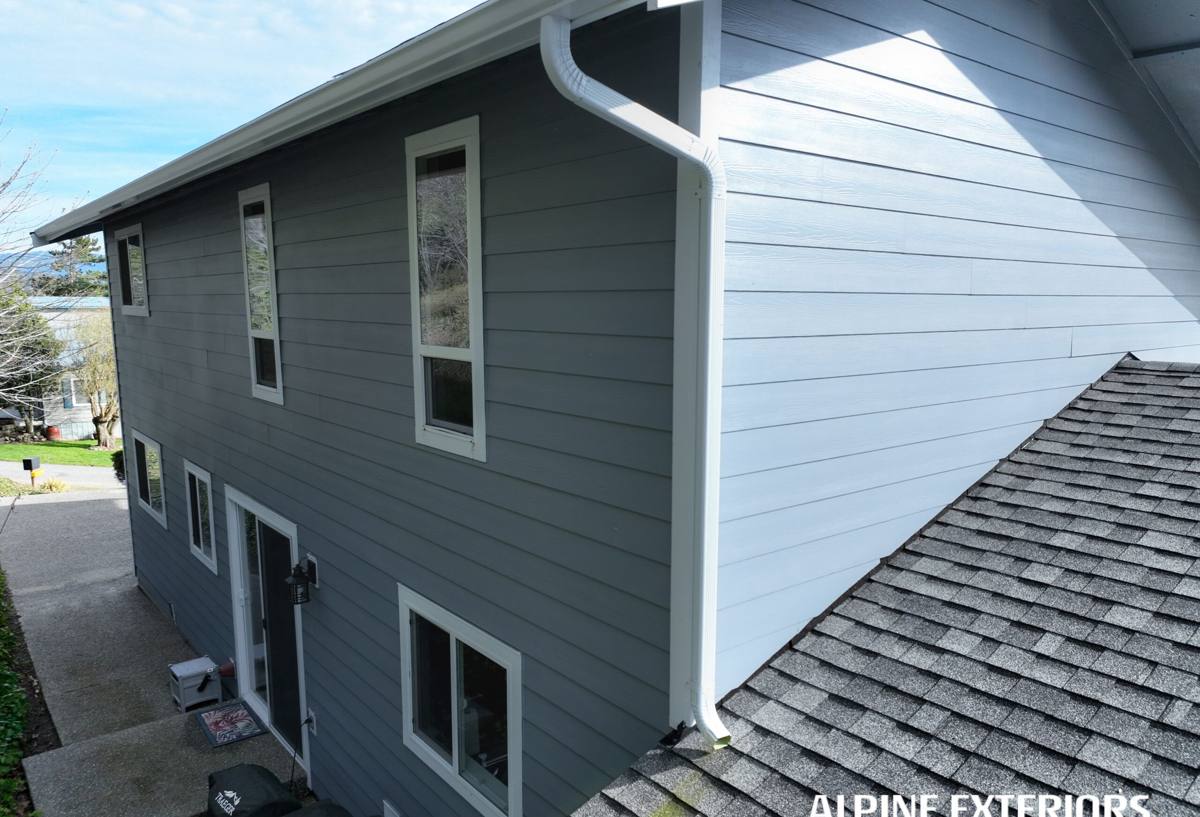
What Salt Air, Driving Rain, and Moss Actually Do to a Roof
Salt Air and Moisture
Homes on Queen Anne's higher slopes and view-facing sides get regular exposure to moist, salt-carrying air off the Sound. Over years, that air accelerates corrosion on any metal component that isn't rated for it, and it works into fastener heads, flashing seams, and cut edges faster than most homeowners expect. This is one of the main reasons the coating and fastener spec matter more here than in an inland neighborhood.
Driving Rain
Wind-driven rain doesn't just fall on a roof, it pushes sideways and upward under panel laps, at ridge caps, and around any penetration — vents, chimneys, skylights. A roof detailed for calm-weather rain will leak here during a real Puget Sound storm even if every panel is straight and every seam looks tight from the ground.
Moss and Organic Growth
King County's long wet season, combined with mature tree cover on many Queen Anne blocks, creates ideal conditions for moss and algae growth on roofing. Moss holds moisture against the roof surface, works its way under laps and fasteners, and can lift or damage roofing materials that aren't naturally resistant to it. Metal roofing handles this far better than most materials, but only if the underlying details — slope, drainage, and edge design — are done right, since moss still collects in low-slope areas and valleys where water and debris linger.
Getting Metal Roofing Right on Queen Anne's Older Housing Stock
A lot of the housing in and around Queen Anne is older, with roof framing, pitches, and detailing that were never designed with modern metal roofing systems in mind. That doesn't rule metal out — it just means the install has to account for what's actually there instead of assuming a blank slate.
- Roof pitch: Steeper, older roof pitches common in this area actually favor metal roofing's water-shedding performance, but panel profile and fastening pattern need to match that pitch.
- Structural condition: Older sheathing and framing should be inspected before a metal system goes on, since metal roofing telegraphs any unevenness in what's underneath it.
- Ventilation paths: Many older Queen Anne homes have limited or outdated attic ventilation, which needs to be addressed alongside the roof to prevent condensation issues under a metal deck.
- Existing roof layers: Whether we install over an existing roof or strip to the deck depends on what's already there and its condition, not on what's fastest.
Standing Seam vs. Exposed Fastener Metal Roofing
Both systems are legitimate choices for King County homes, but they behave differently under the wind and moisture conditions Queen Anne sees, and they carry different cost and maintenance profiles. We walk homeowners through this trade-off honestly rather than pushing one system across the board.
| Factor | Standing Seam | Exposed Fastener |
|---|---|---|
| How panels attach | Concealed clips, no exposed fasteners on the field of the panel | Screws driven through the panel face at regular intervals |
| Wind/driving rain performance | Higher — fewer penetration points for wind-driven rain to exploit | Adequate when installed correctly, but fastener seals are a long-term maintenance point |
| Maintenance over time | Low — no gaskets to inspect or replace | Fastener washers and seals should be checked periodically and can need replacement |
| Upfront cost | Higher material and labor cost | More budget-friendly upfront |
| Best fit | Exposed, view-facing, or high-wind sections of a roof | Lower-exposure roof sections, secondary structures, budget-driven projects |
For many Queen Anne homes, especially those with real wind exposure or a strong salt-air component, standing seam earns its higher cost over the life of the roof. For more sheltered roof sections, exposed fastener panels installed correctly are a reasonable and durable choice. We'll tell you honestly which fits your specific roof rather than defaulting to the higher-margin option.
The Details That Actually Prevent Leaks
Metal roofing fails almost exclusively at its details, not in the field of the panel. This is where an installer's experience with this specific climate shows up.
Underlayment and Ice/Water Protection
A quality synthetic underlayment across the whole roof, with self-adhering ice-and-water membrane at eaves, valleys, and around penetrations, gives the roof a second line of defense when wind pushes water past the panel seams — which it will, during a real storm.
Flashing
Chimneys, skylights, walls, and roof-to-roof transitions are where most metal roof leaks actually originate. Flashing needs to be formed and layered correctly for the specific panel profile, not just caulked and hoped for.
Fasteners and Metal Compatibility
Given the salt-air exposure common on Queen Anne's higher and view-facing lots, fasteners and flashing metals need to be corrosion-resistant and compatible with the panel material to avoid galvanic corrosion between dissimilar metals.
Ventilation
Proper intake and exhaust ventilation keeps condensation from forming underneath the metal deck, which matters even more in a wet climate like King County's where trapped moisture has few chances to dry out between storms.
Moss: What Actually Reduces It Long-Term
No roofing material is moss-proof, but metal roofing's smooth, hard surface gives moss far less to grip than shingles or wood shakes. Reducing moss over the life of the roof comes down to a few practical factors:
- Adequate roof slope and clean drainage paths so water doesn't sit and give moss spores a place to establish
- Keeping gutters and valleys clear of needles and leaf debris, which hold moisture against the roof surface
- Trimming back overhanging branches where practical, since shade and organic debris are moss's biggest allies
- Choosing panel finishes and colors that make early moss growth easy to spot and address before it spreads
None of this eliminates the need for occasional roof cleaning, but it does mean a correctly installed metal roof needs far less moss-related maintenance than most alternatives over a 20-plus year service life.
Our Process for a Queen Anne Metal Roof Install
- On-site inspection: We assess your existing roof, deck condition, ventilation, and exposure to wind and weather specific to your lot and elevation.
- Honest system recommendation: We walk you through standing seam vs. exposed fastener, panel gauge, and finish options based on what your roof actually needs, not a one-size answer.
- Clear written estimate: Scope, materials, and timeline in writing before any work starts, with no vague allowances.
- Deck prep and detailing: Underlayment, ice-and-water membrane at vulnerable areas, and any needed ventilation or sheathing repair happen before a single panel goes down.
- Installation to spec: Panels, flashing, and fasteners installed to manufacturer and code requirements, accounting for your roof's pitch and exposure.
- Final walkthrough: We review the finished roof with you, including care and maintenance basics for our climate, before we consider the job done.
Signs a Queen Anne Home May Be Ready for a Metal Roof
- Your current roof shows granule loss, curling, or moss buildup that keeps coming back after cleaning
- You've had repeated leak repairs at the same flashing points, especially after windstorms
- You're planning to stay in the home long-term and want to stop budgeting for roof replacement every 15-20 years
- You want a roof that handles the combination of hilltop wind and driving rain without repeated maintenance calls
- Your home's exposure to salt air has visibly aged other exterior metal components faster than expected
Why a Crew That Already Works Queen Anne Matters
Metal roofing systems are unforgiving of guesswork. A crew that regularly works Queen Anne's hilltop wind exposure, older housing stock, and King County's wet season already knows which flashing details hold up here and which ones fail in year three. That familiarity shows up in fastener selection, underlayment choices, and how flashing gets detailed around the penetrations and transitions specific to this area's homes — not in anything that looks different from the street, but in whether the roof is still performing correctly a decade from now.
If you're weighing metal roofing for a Queen Anne home, we're happy to take a look, walk you through what your specific roof and exposure actually call for, and give you a straightforward, no-pressure estimate. There's a form below to get that conversation started.