 King County
 Why Board & Batten Is a Good Fit for Redmond
Board and batten has become one of the most requested siding styles in Redmond over the past several years, and it's easy to see why. The clean vertical lines read as modern on a contemporary build and as classic farmhouse on a traditional one, and it pairs well with the mix of architecture you see across Redmond's neighborhoods — from newer construction near the tech corridor to older homes on wooded lots closer to Lake Sammamish. It's a striking look. It's also a style that punishes bad installation faster than standard lap siding does, which matters a great deal in this climate.
The vertical battens create dozens of extra seams and fastening points compared to horizontal lap siding. Every one of those seams is a potential path for water if it isn't detailed correctly, and every batten strip can trap moisture against the wall if there's no way for it to drain and dry. In a climate that stays damp for much of the year, that's not a minor detail — it's the difference between siding that looks great for decades and siding that starts showing problems in five or six years.
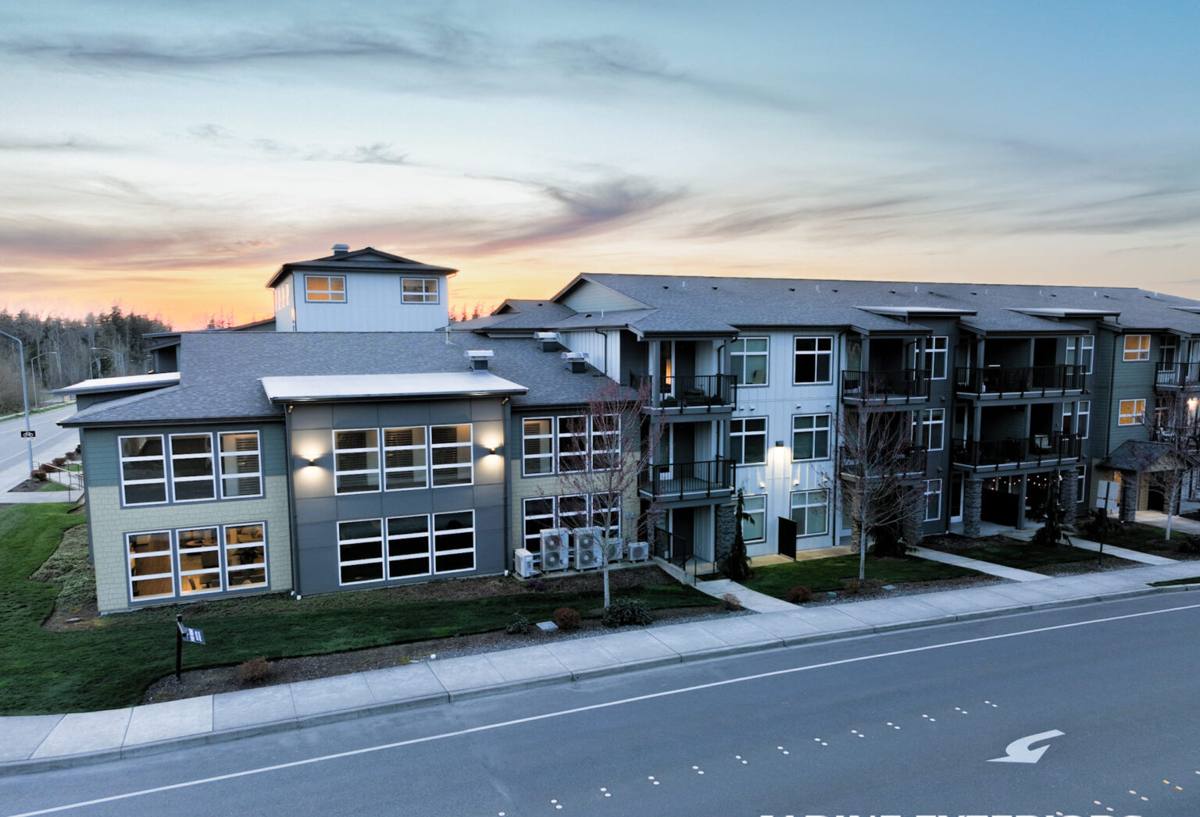
What King County's Climate Does to Vertical Siding Over Time
Redmond doesn't get the wind-driven storms of the immediate Washington coast, but the same marine-influenced air that moves through the greater Puget Sound region reaches inland across King County, bringing long stretches of steady rain, high ambient humidity, and heavy cloud cover for much of the year. Combine that with tree-covered lots and shaded north-facing walls that are common in this area, and you get conditions that are close to ideal for moss and algae growth on any exterior surface that holds moisture.
The specific stresses to plan for
- Driving rain against vertical seams — wind-driven rain can push water sideways into batten joints that aren't properly lapped or sealed.
- Long moss season — shaded, damp surfaces in this region can support moss and algae growth for much of the year, which holds moisture against the substrate if the siding can't dry out.
- Repeated wet-dry cycling — siding here rarely gets a long, dry stretch to fully dry out, so any trapped moisture has more time to do damage before it evaporates.
- UV and salt-influenced marine air — even away from open water, the marine air common to this region carries more moisture and mineral content than a dry inland climate, which accelerates wear on paint film and unprotected wood.
None of this means board and batten is a bad choice for Redmond. It means the material and the installation both have to be built for this specific climate, not for a national-average climate.
James Hardie Board & Batten: The Only System We Install
We install James Hardie fiber cement exclusively — no vinyl, no LP SmartSide, no Cemplank, no Allura, no primed spruce or cedar. For board and batten specifically, that means Hardie vertical panel siding paired with Hardie batten strips, or Hardie's Artisan vertical lines where a more refined reveal is called for. All of it comes factory-finished with ColorPlus Technology, a baked-on finish that's considerably more consistent and weather-resistant than field-applied paint, and it's built on Hardie's HZ10 formulation engineered specifically for wetter, more humid climates like ours.
Fiber cement doesn't feed mold or rot the way wood-based products can, and it doesn't trap moisture and swell the way some engineered wood siding does at cut edges and fastener points. That matters more on board and batten than on almost any other siding style, because of how many cut edges and fastener penetrations the vertical batten pattern creates.
How the material options compare for this style
| Material | Moisture Performance | Maintenance | Typical Lifespan | Our Take |
|---|---|---|---|---|
| James Hardie fiber cement | Non-combustible, doesn't rot or swell; factory finish resists moisture intrusion at the surface | Occasional wash; ColorPlus finish delays repainting far longer than field paint | Decades when installed to spec, backed by a transferable warranty | What we install — built for this climate |
| Cedar / primed wood | Absorbs moisture at cut edges and battens; prone to swelling and rot without diligent upkeep | Regular repainting/staining and caulk maintenance required | Shorter without consistent upkeep | Beautiful, but a high-maintenance choice in this moss season |
| Engineered wood (LP-type) | Vulnerable at exposed edges if flashing and sealing aren't perfect | Moderate; manufacturer specs are strict about edge sealing | Depends heavily on installation quality | We don't install it — see our LP SmartSide page for why |
| Vinyl board & batten | Won't rot, but flexes and gaps with temperature swings; seams rely on overlap, not sealing | Low, but fading and warping are common over time | Variable; often replaced sooner than fiber cement | We don't install it — doesn't hold up to the look or the climate the way Hardie does |
What a Correct Board & Batten Installation Actually Involves
The siding material is only part of the equation. Most board and batten failures we're called to look at in this area trace back to installation shortcuts, not the product itself. A correct install accounts for drainage and drying from the framing out, not just the visible surface.
The details that matter most
- A drainage gap behind the siding — furring strips or a rainscreen system create a gap so any moisture that gets behind the panels can drain and the wall assembly can dry, instead of sitting against the sheathing.
- A continuous, correctly lapped weather-resistive barrier — installed shingle-style so water is always directed outward and down, never trapped behind a seam.
- Correct fastening pattern and location — fasteners placed and spaced to Hardie's published specs, not just "wherever the batten lines up."
- Proper batten spacing and lap — battens set to cover panel joints fully, with enough reveal for clean lines but no gaps that expose the seam beneath.
- Flashing at every penetration — windows, doors, hose bibs, light fixtures, and any other wall penetration flashed before siding goes over it, not caulked after the fact as a substitute for flashing.
- Ground clearance — siding kept at the manufacturer's minimum clearance from grade, decks, and roof lines so splash-back and ponding water don't sit against the bottom edge.
- Factory-cut edges sealed where field cuts occur — any panel or batten cut on site gets the cut edge sealed per Hardie's application instructions.
Skip any one of these and the siding may look identical on install day — the problems just take a year or two of Redmond winters to show up.
Our Process for a Redmond Board & Batten Project
We start with an on-site look at the existing siding and wall condition, not just a measurement for a quote. On a re-side, that means checking the sheathing underneath for water damage before we ever talk about the new siding — no point installing a great product over a wall that's already compromised. We'll walk you through the vertical siding options, reveal widths, and colors that fit the home, and give you a written quote that spells out the drainage plane and flashing details, not just the material list.
During installation, we handle removal and disposal of the old siding, correct any sheathing or moisture issues we find, install the weather-resistive barrier and drainage system, then install the Hardie panels and battens to manufacturer spec. We do a final walkthrough with you before we consider the job done, and register the manufacturer warranty in your name so it's on file if you ever need it.
Common Mistakes We See on Vertical Siding Around King County
A few patterns show up repeatedly on homes we're asked to inspect or repair in this area:
- Battens face-nailed directly with no drainage gap behind the panel, so any moisture that gets in has nowhere to go.
- Box-store fiber cement or engineered panels installed without the manufacturer's climate-specific product line, then finished with field paint instead of a factory finish.
- Caulk used to "fix" a flashing problem instead of actually flashing the penetration — caulk is a wear item, not a substitute for flashing.
- Panels installed tight to grade or to a deck surface with no clearance, so splash-back stays wet against the bottom edge year-round.
Maintenance & Longevity in This Climate
Board and batten installed correctly with James Hardie fiber cement is a low-maintenance siding choice, but "low-maintenance" isn't "no-maintenance" anywhere in King County. Keep gutters clean and directing water away from the wall line, keep vegetation trimmed back so shaded walls get some airflow, and rinse off any moss or algae growth on siding before it has a chance to hold moisture against the surface for months at a time. Because ColorPlus is a factory-applied finish, you're not looking at the kind of repainting cycle that field-painted wood or fiber cement needs — but an occasional wash and a periodic look at caulking around trim and penetrations goes a long way toward getting the full lifespan out of the material.
Why Hire a Crew That Already Works in Redmond
Board and batten installation detail doesn't change much from one region to another in the abstract — but how aggressively you need to apply those details does. A crew that's used to installing in a drier climate can get away with shortcuts on drainage and flashing that simply don't hold up here. A crew that works Redmond and the surrounding King County area regularly knows how much moisture this region actually sees, how long moss season really runs, and where shaded, damp wall sections tend to need extra attention. That's not a marketing point — it's the difference between a siding job that's still tight and clean in ten years and one that needs repair work in three or four.
If you're considering board and batten siding for a home in Redmond, we're happy to take a look and talk through what your specific walls and exposure need. There's no cost and no pressure for an estimate — just a straight assessment of what a correct job looks like for your home.