 King County
 New Roof Installation Built for Redmond's Climate
Redmond sits in one of the wettest corners of King County, and the roof over your head takes the brunt of it. Long stretches of drizzle from fall through spring, heavy driving rain during storm systems that roll off the Sound, and a moss season that can run eight months or longer all put steady pressure on a roofing system. A roof that isn't built and installed with those conditions in mind will show it early — in the form of moss colonies, soft decking, and leaks that show up in the least convenient places.
We install new roofs for homeowners throughout Redmond and the rest of King County, and we build every system around what actually happens to a roof here over a full Pacific Northwest year, not just how it looks the day it's finished.
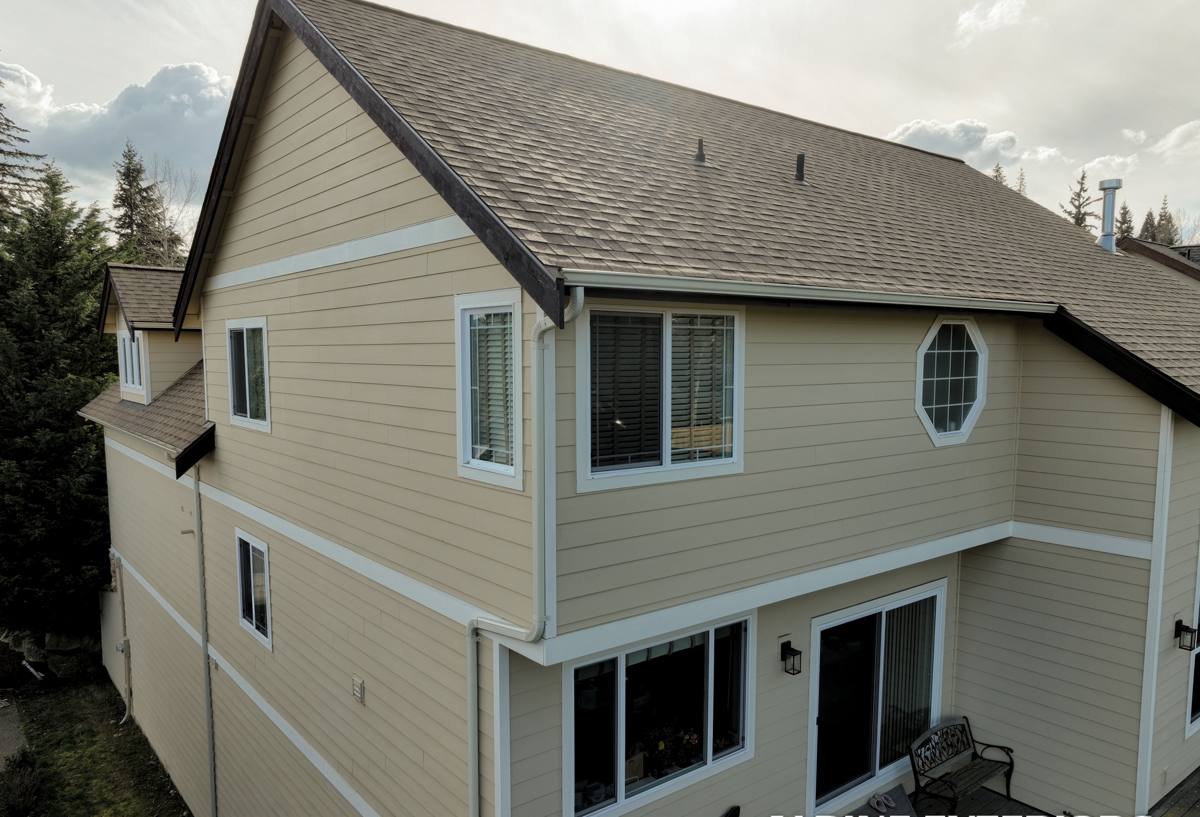
What Redmond Homes Actually Need From a New Roof
Moisture Management First
King County's climate doesn't hit roofs with occasional downpours and long dry spells the way some regions do. It hits them with months of low-intensity, sustained moisture. That means the underlayment, flashing details, and ventilation matter as much as the shingle or metal panel on top. A roof that looks correct from the ground can still be failing underneath if the water management layers weren't installed correctly.
Moss Resistance Isn't Optional
Redmond's tree cover, shade patterns, and damp winters create ideal conditions for moss growth on north-facing slopes and anywhere debris collects. Moss holds moisture against roofing material, works its way under shingle tabs, and accelerates granule loss over time. A correctly installed roof accounts for this from day one — proper slope transitions, clean valleys, and material choices that resist moss colonization rather than inviting it.
Wind and Driving Rain
Storm systems moving through the Puget Sound region can push rain sideways, not just down. That means fastening patterns, sealant strips, and flashing at every penetration — vents, chimneys, skylights — have to be installed to manufacturer spec, not just "close enough." Driving rain finds every shortcut in an installation, usually within the first year or two.
What a Correct New Roof Installation Involves
A new roof is more than removing old material and laying down new. Each step protects the ones after it, and skipping or rushing any of them shows up later as a callback.
- Tear-off and deck inspection: Old roofing is removed down to the deck so we can actually see what's underneath — soft spots, rot, or prior water damage don't get covered up.
- Deck repair: Any damaged or delaminated sheathing gets replaced before anything new goes down. Installing over a compromised deck is one of the most common causes of early roof failure.
- Ice and water shield at vulnerable areas: Eaves, valleys, and low-slope transitions get self-adhering underlayment for extra protection where water is most likely to back up or pool.
- Synthetic underlayment across the field: A durable, water-resistant layer across the whole deck as a second line of defense under the primary roofing material.
- Flashing at every penetration: Chimneys, vent pipes, skylights, and wall transitions get new metal flashing — reusing old flashing is a common shortcut that leads to leaks.
- Proper ventilation: Balanced intake and exhaust ventilation keeps the attic dry and temperature-regulated, which protects both the roof deck and the material above it.
- Correct fastening and material installation: Nail placement, exposure, and pattern matter — this is where wind and driving rain resistance actually comes from.
- Final inspection and cleanup: A thorough site walk, magnetic sweep for debris, and a review of the finished roof with the homeowner.
Choosing the Right Roofing Material for Redmond
There's no single "best" roofing material for King County — the right choice depends on your home's roof pitch, budget, and how much long-term maintenance you want to take on. Here's how the common options compare for a Redmond home specifically.
| Material | Moss/Moisture Resistance | Typical Lifespan | Considerations for Redmond |
|---|---|---|---|
| Architectural asphalt shingles | Good with proper installation and zinc strips | 25–30 years | Most common choice; wide style and color range; needs periodic moss treatment on shaded slopes |
| Standing seam metal | Excellent — sheds water and resists moss growth | 40–50+ years | Higher upfront cost; performs very well under heavy, sustained rain |
| Composite/synthetic shake | Good, but installation quality is critical | 30–40 years | Gives a wood-shake look without the moisture absorption of real cedar |
| Cedar shake | Requires ongoing maintenance to resist moss and rot | 20–30 years with upkeep | Traditional Pacific Northwest look, but the highest maintenance burden in a wet climate |
We're honest with homeowners about the trade-offs. Cedar shake has real appeal, but in a climate with this much sustained moisture it demands consistent upkeep to avoid the moss and rot issues that shorten its life — that's a maintenance commitment, not a flaw in the product itself. Metal costs more upfront but performs exceptionally well against the driving rain and moss pressure this region produces year after year. Most Redmond homeowners land on architectural asphalt shingles as the right balance of cost, appearance, and performance, provided the installation details are handled correctly.
Signs Your Redmond Roof Needs Replacement, Not Another Repair
Not every roof problem calls for a full replacement, but there's a point where repairs stop making financial sense. Watch for:
- Granule loss heavy enough that shingles look bare or patchy in spots
- Moss or algae covering large sections rather than isolated patches
- Shingles that are curling, cracking, or lifting at the edges
- Daylight visible through the roof deck from inside the attic
- Repeated leaks in different locations after previous repairs
- A roof that's approaching or past its material's expected lifespan
If you're seeing two or more of these, it's worth getting an honest assessment before spending more money chasing repairs on a roof that's reached the end of its service life.
Our Process for Redmond Homeowners
1. On-Site Inspection and Estimate
We walk the roof, check the attic for ventilation and moisture issues, and give you a straightforward written estimate — no pressure, no inflated scare tactics.
2. Material Selection
We'll walk through the material options above based on your roof's pitch, your budget, and how much long-term maintenance you want to take on.
3. Scheduling Around King County Weather
Roofing in this region means working around the rain, not pretending it isn't a factor. We schedule tear-offs in manageable sections and use tarping protocols so your home is never left exposed overnight.
4. Installation
Full crew on site, following the tear-off-to-final-inspection sequence outlined above, with daily cleanup so the site stays safe and tidy throughout the project.
5. Final Walkthrough
We review the finished roof with you, confirm ventilation and flashing details, and make sure you understand what basic seasonal maintenance — like moss checks — will keep it performing.
Why Hiring a Crew That Already Works Redmond Matters
Roofing crews that work outside their normal territory don't always know the local permitting process, the typical roof pitches and styles found in Redmond neighborhoods, or how aggressively moss actually grows here compared to drier parts of the state. A crew that regularly works King County roofs already knows:
- Which underlayment and ventilation specs actually hold up through a full Pacific Northwest wet season
- How local permitting and inspection requirements apply to reroofing projects
- Which roof details — valleys, low-slope sections, shaded north faces — need extra attention in this climate
- How to schedule around the region's rain patterns without compromising the installation
That local familiarity translates directly into a roof that's built for the conditions it will actually face, not a generic installation dropped into a demanding climate.
What a New Roof Costs in King County
Roofing costs vary based on your home's size, roof pitch, material choice, and how much deck repair is needed once the old roofing comes off. Rather than quote a number that may not apply to your home, we provide a detailed written estimate after an on-site inspection so you know exactly what you're paying for and why — no vague allowances, no surprise change orders for work that should have been scoped up front.
If your Redmond roof is showing its age or you're planning ahead for a replacement, we'd be glad to take a look. Reach out for a free, no-pressure estimate using the form below — we'll walk the roof, answer your questions honestly, and give you a clear picture of your options.