 King County
 Why Window Installation in Redmond Takes Local Know-How
Redmond sits in the wetter half of King County, where moisture-laden marine air off Puget Sound settles into the Sammamish Valley for months at a stretch. Windows here aren't just glass and trim — they're a seal that has to hold up against driving rain, long stretches of gray humidity, and a moss season that can run from fall through spring. A window that's a few degrees off level, or flashed in the wrong order, won't fail on day one. It'll fail quietly, over two or three winters, as water finds its way behind the trim and into the framing.
That's the real difference between a window that "looks installed" and one that's actually installed correctly. In a drier climate, a sloppy flashing job might go unnoticed for a decade. In King County, it shows up as soft trim, peeling paint, or a musty smell in a back bedroom within a couple of wet seasons.
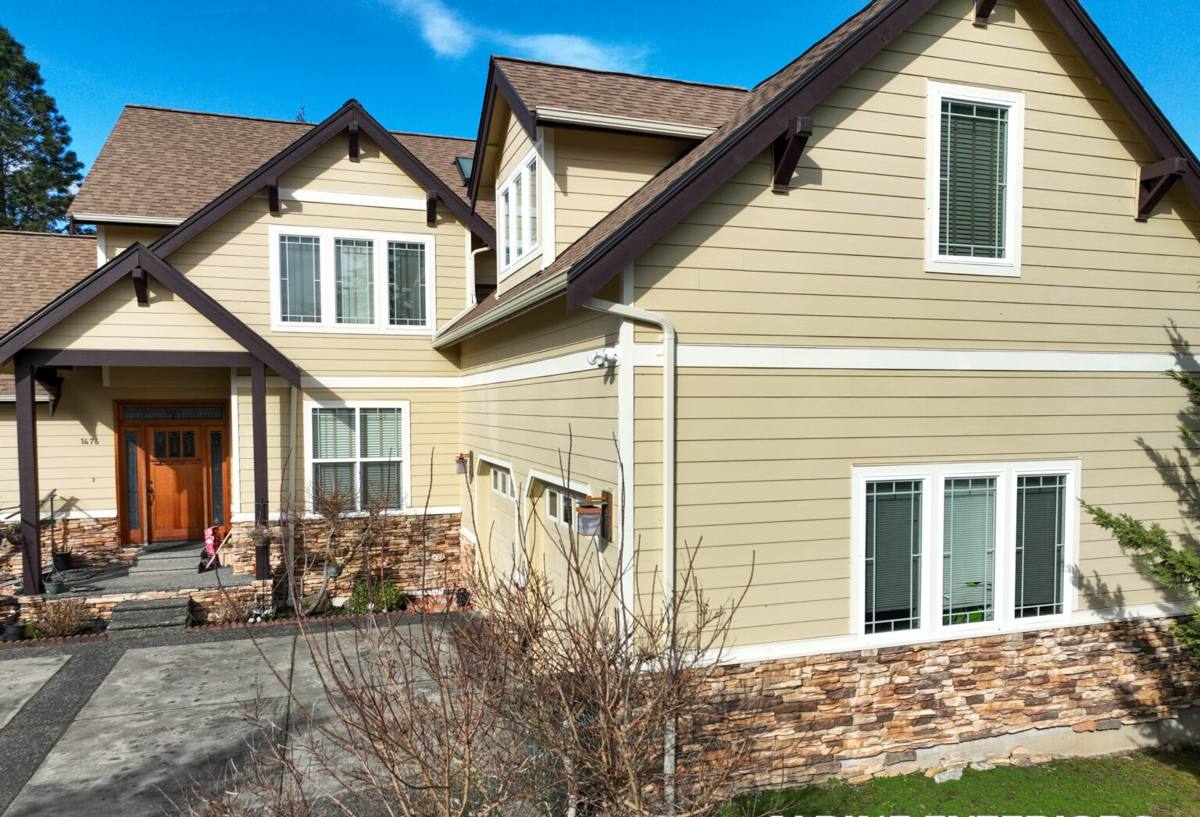
Signs a Redmond Home's Windows Are Due for Replacement
Homeowners usually call us for one of a handful of reasons. Recognizing these early saves money, because water damage behind a window is almost always more expensive to fix than the window itself.
- Condensation building up between panes (a sign the seal on a double- or triple-pane unit has failed)
- Visible moss or black streaking on the sill or the siding just below the window
- Wood trim that feels soft, spongy, or is starting to bubble under paint
- Drafts you can feel near the frame even when the window is fully latched
- Windows that are hard to open, stick in the track, or won't stay up without a prop
- A noticeable jump in heating bills compared to similar-sized rooms in the house
Any one of these on its own might just mean the window is aging. Two or three together, especially on the same wall, usually means moisture has already gotten behind the frame.
Full-Frame Replacement vs. Insert Windows
Not every window needs to come out down to the studs. The right approach depends on the condition of the existing frame and sheathing, which is something we check before quoting either option.
| Factor | Insert (Retrofit) Window | Full-Frame Replacement |
|---|---|---|
| Best for | Sound existing frame, no rot, just failing glass/hardware | Soft or rotted framing, water staining, or a remodel changing window size |
| Labor involved | New window fits inside the existing frame | Old frame is removed to the rough opening, new flashing installed |
| Access to hidden damage | Limited — can't see behind the old frame | Full — any rot or moisture intrusion gets found and fixed |
| Typical timeline per window | Faster | Longer, but more thorough |
| Where we recommend it in Redmond | Newer homes, well-maintained older homes | Homes with any history of leaks, visible trim damage, or moss staining |
We won't sell a homeowner an insert window over an area we suspect has hidden rot. It's cheaper up front, but it papers over a problem instead of fixing it — and in this climate, that problem doesn't go away on its own.
What a Correct Installation Actually Involves
Window installation is one of those jobs where the parts you never see matter more than the parts you do. The window itself is largely the same regardless of who installs it — the flashing sequence and sealing details are where quality is won or lost.
The Order Matters
Water management around a window works like shingles on a roof: each layer has to overlap the one below it so water is shed outward and downward, never trapped behind the assembly. A correct sequence includes:
- A sloped sill pan at the base of the rough opening so any water that gets in drains back out, not into the wall cavity
- Weather-resistive barrier integrated with the window flanges, not just caulked over the top
- Flashing tape at the jambs and head, lapped in the right order — head flashing last, over everything below it
- Backer rod and quality exterior sealant at the trim line, sized for the gap rather than overfilled
- Insulation in the gap between the window frame and rough opening — not left empty, and not overstuffed to the point of bowing the frame
Skip any one of these steps and the window can look perfect from the curb while quietly letting water in behind the trim.
Fit and Level Matter as Much as the Flashing
A window that's shimmed out of square will bind, won't latch fully, and puts uneven stress on the seals — which shortens the life of the glass unit's edge seal. We check plumb, level, and square before a single fastener goes in, not after.
Choosing Glass and Frame Materials for This Climate
Washington's energy code sets minimum performance requirements for windows, but "meets code" and "right for a Redmond home" aren't always the same thing.
Glass Packages
Most homes in the area do well with a double-pane, low-E coated unit with argon gas fill — it balances cost with real performance against our wet, moderate winters. Triple-pane glass adds cost and weight but can be worth it on north-facing walls or rooms where a homeowner has noticed persistent drafts or condensation. We size the glass package to the wall orientation and the homeowner's budget rather than defaulting to the most expensive option.
Frame Materials
Vinyl, fiberglass, and clad-wood frames all show up in Redmond homes, and each has real trade-offs:
- Vinyl — lowest maintenance, good value, performs well in this climate as long as it's installed with proper expansion clearance
- Fiberglass — more dimensionally stable across temperature swings, holds paint well, higher upfront cost
- Clad-wood — best interior appearance for homeowners who want a natural wood look inside, but the exterior cladding still needs to be detailed correctly at the sill to keep water from reaching the wood core
We'll tell you honestly if a product a homeowner is interested in has a maintenance burden or moisture-sensitivity that doesn't suit a particular wall or exposure — that's a judgment call based on installation experience, not a knock on any manufacturer.
Permits and Code Requirements in Redmond
Window replacement in Redmond generally requires a permit from the City, especially when the rough opening size changes, egress windows are involved, or the work is part of a larger remodel. A few things homeowners should know going in:
- Bedroom windows have minimum egress size and sill height requirements — this matters if you're replacing an old, undersized bedroom window
- Washington's energy code sets minimum U-factor (heat loss) and, in some cases, SHGC (solar heat gain) values that new windows must meet
- Historic or design-review neighborhoods may have additional guidelines on exterior appearance
We handle the permit application and inspection scheduling as part of the job — it's not an add-on homeowners have to chase down separately.
Our Process, Start to Finish
- Free on-site assessment — we look at each window from both sides, check for existing moisture damage, and measure rough openings
- Honest recommendation — insert vs. full-frame, glass and frame options that fit the home and budget, with plain reasoning for each
- Written estimate — clear scope, materials, and timeline before anything is scheduled
- Permit and ordering — we pull permits where required and order windows to the exact measured openings
- Installation — proper flashing sequence, insulation, and trim, with daily cleanup
- Final walkthrough — every window opens, closes, and locks correctly before we call the job done
Why Hiring a Crew That Already Works in Redmond Matters
A crew that works this area regularly knows what King County's wet season does to a poorly flashed window, knows the local permitting process, and has seen how different frame and siding combinations hold up over years, not just on installation day. That experience shows up in small decisions — how much slope to build into a sill pan, how to detail a window under a shallow eave, when to recommend a full tear-out instead of an insert — that a crew unfamiliar with this specific climate might not think to make.
Maintenance That Extends Window Life Here
| Task | Frequency | Why it matters in this climate |
|---|---|---|
| Clear debris from window tracks and weep holes | Twice a year | Blocked weep holes trap water against the frame |
| Check exterior caulk lines for cracking | Annually | Cracked sealant lets driving rain behind the trim |
| Remove moss or algae from sills and nearby siding | As needed, typically fall/spring | Moss holds moisture against wood and paint surfaces |
| Inspect interior sills for condensation | Through winter | Early sign of a failing seal or ventilation issue |
Good windows and a correct installation reduce how often this list matters, but nothing in this climate is truly maintenance-free.
If your windows are showing any of the signs above, or you're simply ready to stop paying to heat the outdoors, we're happy to take a look. The estimate is free, there's no pressure to sign anything on the spot, and you'll get a straight answer about what your home actually needs — just fill out the form below to get started.