 King County
 Asphalt Shingle Roofing Built for Renton's Weather
Renton sits in one of the wetter corners of King County, and the roof over your head knows it. Between the marine air pushing in off the Sound, months of driving rain, and long stretches of shade that never quite dry out, an asphalt shingle roof here works harder than the same roof would in a drier climate. Most shingle products are rated and tested for national averages, not for a Pacific Northwest wet season that can run from October through April with barely a break. That gap between the rating and the reality is where a lot of roofs start failing early.
We install and repair asphalt shingle roofs across Renton and the surrounding King County area, and the jobs we get called back for almost never fail because the shingle itself was bad. They fail because of details: underlayment that wasn't matched to the exposure, flashing that was reused instead of replaced, or ventilation that couldn't keep pace with the moisture load. This page walks through what a shingle roof actually needs to hold up in Renton, what a correct installation involves, and how we approach the work.
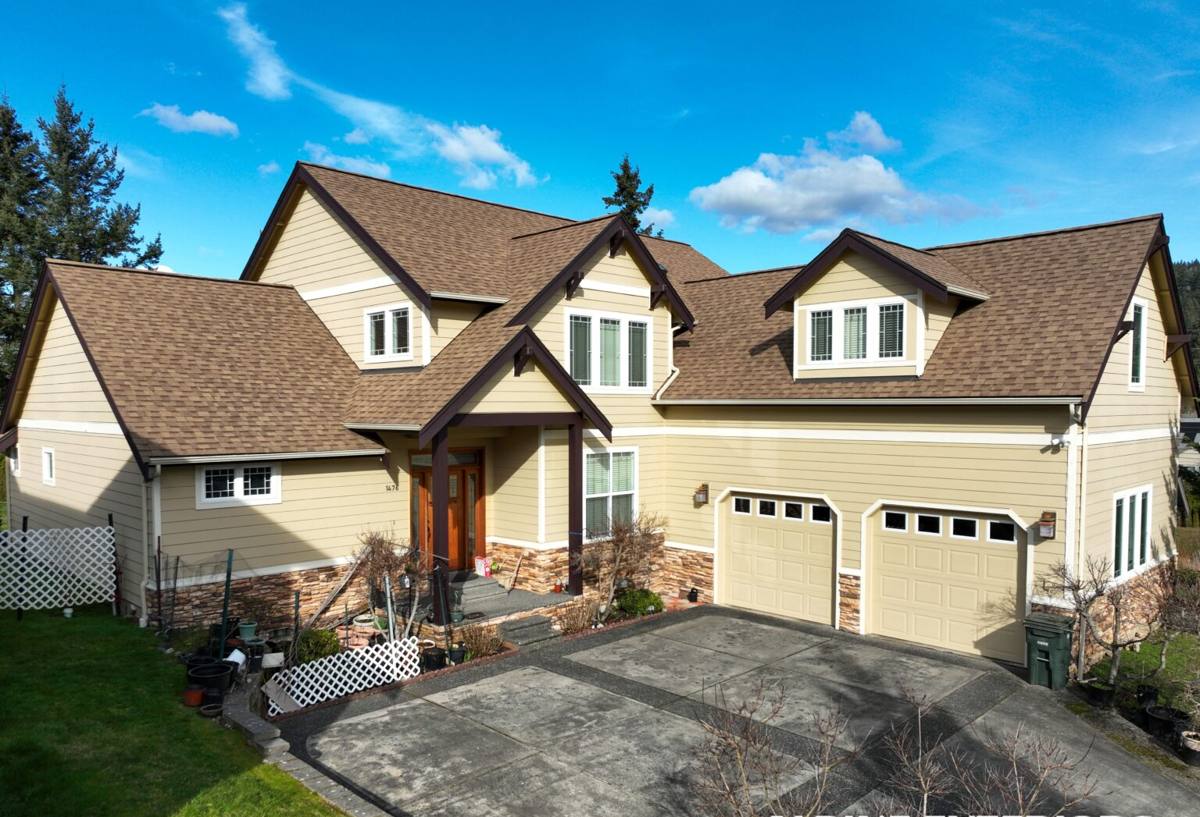
What Renton's Climate Actually Does to a Shingle Roof
Salt Air and Driving Rain
Homes closer to the water deal with a steady low dose of salt-laden moisture in the air. It doesn't damage asphalt shingles the way it corrodes bare metal, but it does accelerate wear on exposed fasteners, flashing, and any hardware that isn't rated for coastal-adjacent exposure. Combine that with driving rain that comes in at an angle during winter storms, and you get water testing every lap, seam, and penetration on the roof — not just soaking straight down, but working sideways under shingle edges and around chimneys, skylights, and vent pipes.
Moss and Sustained Shade
King County's long moss season is the other half of the equation. Moss doesn't just look bad — it holds moisture against the shingle surface, lifts shingle edges as it grows, and works its way under tabs and flashing over time. Roofs with north-facing slopes, heavy tree cover, or limited sun exposure are the most affected, and Renton has plenty of all three. A roof that isn't detailed and maintained with moss in mind will show granule loss and premature aging years before its rated lifespan is up.
Temperature Swings and Shingle Flexibility
Compared to harsher climates, Renton's temperature swings are moderate, but shingles still expand and contract with daily and seasonal changes. Combined with near-constant dampness, this is part of why nailing pattern and proper shingle adhesion (the seal strip bonding one course to the next) matter more here than in drier regions — a poorly sealed shingle has more opportunity, across more wet months, to lift and let water in.
What a Correct Asphalt Shingle Job Involves
A shingle roof is a system, not just a layer of shingles. Every layer underneath and around the shingles is doing its own job, and skipping or shortcutting any one of them is where leaks start.
- Deck inspection and repair — any soft, delaminated, or water-damaged sheathing gets replaced before anything new goes down. Installing over a bad deck just hides the problem.
- Ice-and-water shield at vulnerable points — eaves, valleys, and penetrations get a self-adhering waterproof membrane, not just felt, because these are the spots driving rain and ice damming target first.
- Synthetic or felt underlayment across the field — the roof's backup layer if wind-driven rain ever gets past the shingles themselves.
- New flashing at every penetration and wall intersection — chimneys, skylights, dormers, and sidewalls all get new step and counter-flashing, not reused pieces bent back into place.
- Proper nailing pattern and shingle selection for exposure — matched to the roof's pitch, sun exposure, and wind exposure, not just "whatever's standard."
- Ridge and intake ventilation balanced correctly — so the attic can actually exhaust the moisture load a wet climate generates.
- Drip edge and gutter apron at all eaves and rakes — directing water off the deck edge instead of letting it wick back underneath.
Leave any one of these out and the shingles on top can look fine for a while and still be part of a roof that's quietly failing underneath.
Ventilation: The Detail Renton Roofs Can't Skip
Attic ventilation gets less attention than shingle brand or color, but in a climate this damp it's arguably more important. A poorly ventilated attic traps warm, moist air against the underside of the roof deck. Over a wet Renton winter, that trapped moisture condenses, soaks into the sheathing from below, and can rot the deck or grow mold even while the shingles above look perfectly healthy. It also shortens shingle life from the inside out, since heat and moisture trapped underneath bake and soften the shingle material over time.
The fix isn't complicated: balanced intake at the eaves (through soffit vents) and exhaust at the ridge, sized to match the attic's square footage. We check this on every re-roof and repair, because it's one of the cheapest details to get right during construction and one of the most expensive to fix afterward.
Repair, Recover, or Full Replacement?
Not every roof problem needs a full tear-off, but not every roof should be patched either. Here's how we think through it:
| Situation | Likely Approach | Why |
|---|---|---|
| Isolated leak, roof under 10-15 years old | Targeted repair | Flashing or a small section of damaged shingles is often the actual cause, not the shingle field as a whole |
| Moss buildup, granule loss on a mid-age roof | Cleaning, ventilation check, spot repairs | Addresses the cause (moisture, poor airflow) before it becomes structural |
| Multiple leaks, widespread granule loss, roof near or past rated life | Full replacement | Underlayment and deck have likely absorbed years of moisture cycling; patching won't hold |
| Visible deck sagging or soft spots | Full replacement with deck repair | Structural issue that a surface repair can't address |
We'll give you a straight answer on which category your roof falls into, including when a repair is genuinely the right call rather than upselling a replacement you don't need yet.
Choosing Materials for a Renton Roof
Standard three-tab shingles are the most affordable option but generally have the shortest service life and the least wind resistance — a real consideration during King County's winter storm season. Architectural (laminated) shingles cost more but offer better wind ratings, a longer service life, and noticeably better performance shedding water on lower-slope sections, which matters on homes with varied roof geometry.
We also pay attention to algae-resistant shingle options, which use copper-infused granules to slow the black streaking and moss growth that show up faster here than in drier climates. It's not a substitute for good ventilation and periodic cleaning, but it's a reasonable head start given how much moss pressure Renton roofs deal with.
What We Typically Recommend and Why
For most Renton homes, we lean toward architectural shingles with algae-resistant granules, paired with full ice-and-water protection at eaves and valleys. It's a straightforward standard that matches the climate without over-building for conditions the home won't see. Where a home has unusual shade, tree cover, or roof complexity, we adjust the underlayment and ventilation plan accordingly rather than treating every roof the same.
Our Process for a Renton Shingle Roof
- On-site inspection — we walk the roof (or use a drone/ladder assessment where access is limited), check the attic for ventilation and moisture signs, and document flashing, deck, and shingle condition.
- Written scope and estimate — a clear breakdown of what's being replaced, what underlayment and flashing package is included, and why, so you're not guessing what "roofing" actually covers.
- Deck prep — remove old roofing down to the deck, replace any damaged sheathing, and address any ventilation gaps before new materials go down.
- Waterproofing layer — ice-and-water shield at eaves, valleys, and penetrations, then underlayment across the field.
- Flashing and shingle installation — new flashing at every penetration and wall, shingles installed to manufacturer spec for this pitch and exposure.
- Ventilation check and cleanup — confirm intake/exhaust balance, clean the site and gutters of debris, and do a final walk-through with you.
A Quick Homeowner Checklist Before You Hire
- Ask what underlayment and ice-and-water coverage is included — "roofing" alone doesn't tell you this
- Confirm flashing will be replaced, not reinstalled, at chimneys and walls
- Ask how ventilation will be assessed and addressed, not just the shingles on top
- Get the manufacturer warranty terms in writing, and understand what workmanship warranty is separate from that
- Make sure the estimate specifies shingle type (three-tab vs. architectural) and whether algae-resistant granules are included
Why Local Experience Matters for This Work
A shingle roof installed to generic national standards can still underperform in King County if it isn't detailed for this specific climate. Crews who work Renton regularly already know which roof orientations collect moss fastest, which older neighborhoods tend to have deck issues from decades of moisture exposure, and how to size ventilation for a wet season that runs longer than most manufacturer guidelines assume. That familiarity shows up in fewer callbacks and roofs that actually reach their rated lifespan instead of failing early.
It also matters for something less obvious: timing. Renton's wet season narrows the practical installation window, and a crew that plans around it — rather than getting caught mid-tear-off by a multi-day rain system — protects your home's interior and your deck from unnecessary exposure during the work itself.
Maintenance That Actually Extends Roof Life Here
Once a shingle roof is installed correctly, a small amount of upkeep goes a long way in this climate:
- Keep gutters clear so water isn't backing up under the eave edge during heavy rain
- Have moss growth treated or gently removed before it lifts shingle tabs, rather than after
- Trim back tree limbs that keep sections of the roof shaded and damp longer than the rest
- Schedule a periodic visual check after major storms, especially around flashing and penetrations
None of this replaces a correct installation, but it's the difference between a roof that reaches its full service life and one that starts showing problems well ahead of schedule.
Get a Straight Answer About Your Roof
If you're dealing with a leak, planning ahead for a roof that's getting older, or just want an honest read on where your current roof stands, we're glad to take a look. We offer free, no-pressure estimates for Renton homeowners — no exaggerated urgency, just a clear picture of what your roof needs and what it doesn't. Reach out using the form below to get started.