 King County
 Building a Deck That Actually Holds Up in Renton
Renton sits in one of the wetter corners of King County, tucked between Lake Washington, the Cedar River, and the hills that catch storms rolling in off Puget Sound. That geography means a lot of moisture in the air almost year-round, long stretches of driving rain in fall and winter, and shaded, damp yards that stay green with moss long after other parts of the state have dried out. A deck built here has to deal with all of that, every single year, for decades. A design or install that would hold up fine in a dry inland climate can fail early in Renton if the details aren't right.
We build custom decks specifically with this climate in mind — not a generic deck dropped into a wet environment, but one engineered from the ground up to shed water, resist moss and rot, and stay structurally sound through decades of Pacific Northwest weather.
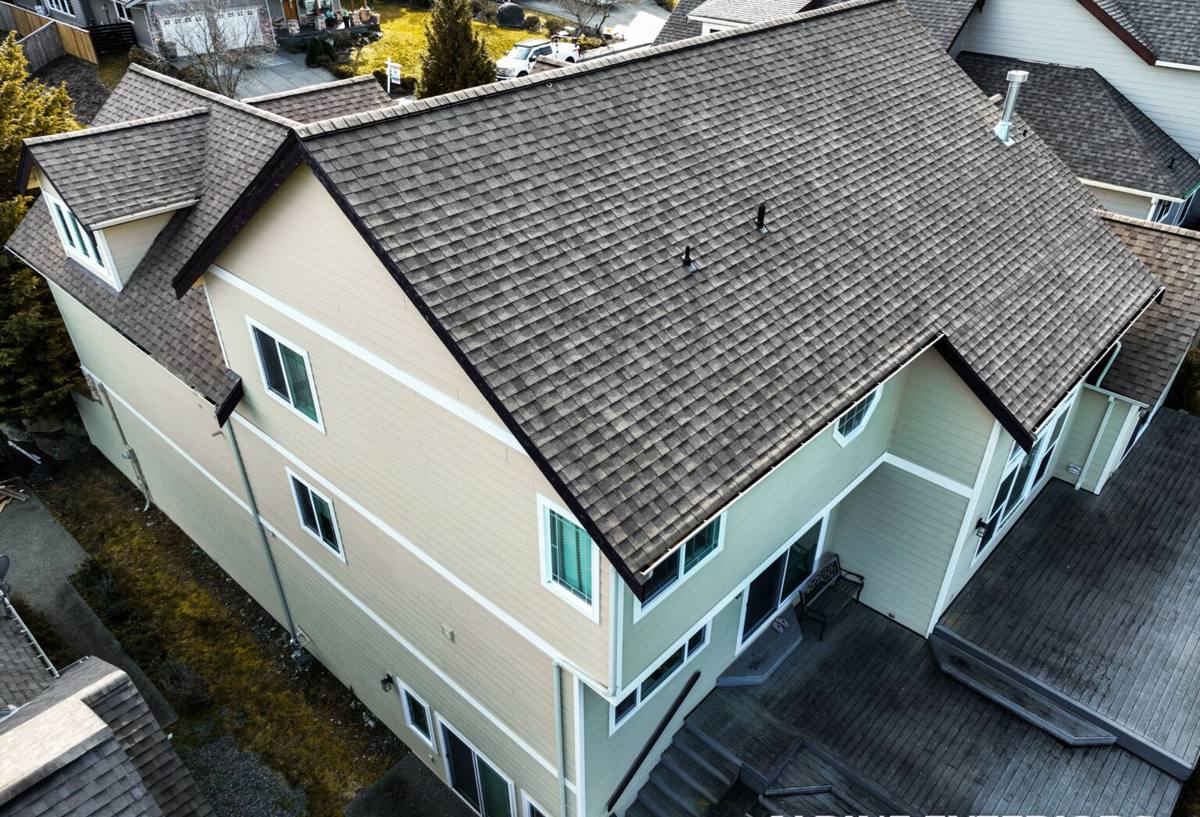
What Renton's Climate Does to a Deck Over Time
Understanding the failure points is the first step to avoiding them. In this region, the damage almost never happens all at once — it's slow, quiet, and often hidden until it's serious.
Moisture That Never Fully Dries Out
Many Renton lots have mature trees, fencing, or homes close together that block sun and airflow. A deck in that kind of spot can stay damp for days after a storm, especially through the long rainy stretch from fall through spring. Wood that never fully dries is wood that rots, and framing lumber tucked underneath a deck is often the last part to dry — and the first part to fail.
Moss and Algae Buildup
King County's long moss season isn't just a cosmetic issue. Moss and algae hold moisture directly against decking boards and stair treads, and they make surfaces dangerously slick in the rain. On wood decking especially, moss growth can accelerate surface decay if it's left to establish itself over multiple seasons.
Freeze-Thaw and Fastener Corrosion
Renton doesn't get brutal winters, but it does get enough freeze-thaw cycling — combined with near-constant moisture — to stress joints, fasteners, and connections over time. Standard fasteners that aren't rated for wet, coastal-adjacent conditions can corrode and weaken well before the decking itself wears out.
Driving Rain and Water Intrusion at the House
Where a deck attaches to the house is the single most common point of long-term failure we see. Wind-driven rain pushes water into gaps at the ledger board connection, and if that area isn't flashed correctly, water works its way into the rim joist and wall framing behind it — often invisibly, for years.
What a Correctly Built Deck Requires in This Region
A deck that's going to last in Renton's climate isn't just about picking a nice decking material. The parts nobody sees — framing, fasteners, flashing — matter more than the surface finish.
- Properly flashed ledger connection: Where the deck meets the house needs metal flashing installed so water is directed away from the wall framing, not trapped behind the ledger board.
- Corrosion-resistant fasteners and hardware: Structural screws, joist hangers, and post bases rated for wet exposure — not standard interior-grade hardware.
- Ventilation and drainage underneath: Framing that allows air to move and water to drain rather than pool against beams and posts.
- Footings set below frost depth and on stable soil: Especially important on the sloped lots common around Renton, where drainage and soil movement need to be accounted for.
- Decking material matched to sun exposure: A shaded, north-facing deck needs a different material strategy than one that gets full afternoon sun.
- Proper board spacing: Gaps sized to let water drain through quickly instead of sitting on the surface.
Choosing the Right Decking Material for a Renton Yard
There's no single "best" decking material — the right choice depends on how much sun and shade your yard gets, how much upkeep you want to do, and your budget. Here's how the common options actually perform in this climate.
| Material | How It Handles Renton's Climate | Maintenance |
|---|---|---|
| Pressure-treated wood | Affordable and strong, but needs consistent sealing to resist moisture and moss; shaded areas are prone to staining and slower drying | Annual cleaning and re-sealing recommended |
| Cedar | Naturally more rot-resistant than most softwoods and a good look for the region, but still needs regular finish maintenance in a wet climate | Periodic cleaning and refinishing |
| Composite decking | Resists rot and doesn't absorb water like wood; still needs regular cleaning where moss and algae can grow on the surface | Occasional washing, no staining or sealing |
| PVC/capped polymer | Fully resists moisture absorption and is the most moss/algae-resistant option long-term; higher upfront cost | Lowest maintenance of the group |
We'll talk through your yard's sun and shade pattern, how much time you want to spend on upkeep, and your budget before recommending a material — there's rarely a wrong answer, just trade-offs worth understanding up front.
How Our Custom Deck Process Works
Every deck we build starts with an honest look at your property, not a generic template.
1. On-Site Consultation
We walk your property, look at sun exposure, drainage patterns, and how the deck will connect to your home. This is also where we talk through how you actually want to use the space — dining, grilling, hot tub, quiet corner — since that shapes size and layout.
2. Design and Material Selection
We put together a design that fits your home and yard, and go through decking material, railing style, and structural details together so you know exactly what you're getting before work starts.
3. Permitting
Most custom decks in King County require a building permit, and elevated decks or those attached to the home almost always do. We handle the permit process and make sure the design meets current code requirements for structural loads, guardrail height, and stair geometry.
4. Site Prep and Footings
We set footings to proper depth for stable, long-term support, accounting for the soil and slope conditions common on Renton lots.
5. Framing and Flashing
This is where long-term durability is won or lost. We flash the ledger connection properly, use corrosion-resistant hardware throughout, and build in drainage and airflow underneath the structure.
6. Decking, Railing, and Finish Work
Once the frame is solid, we install decking, railings, and any stairs, finishing with clean, code-compliant details.
7. Final Walkthrough
We walk the finished deck with you, explain how to care for the specific material you chose, and answer any questions before we consider the job done.
Permits and Code in Renton and King County
Deck permitting requirements are set locally, and they change depending on deck height, whether it's attached to the house, and its size. Getting this wrong isn't just a paperwork problem — an unpermitted or non-compliant deck can create real issues when you sell your home or file an insurance claim. We manage the permit process as part of every custom deck project so you don't have to navigate it yourself, and so the finished structure meets current guardrail, stair, and structural requirements.
Common Deck Problems We're Called In to Fix
A lot of our deck work in this area isn't new builds — it's correcting damage caused by decks that weren't built for this climate in the first place.
- Soft, spongy decking or framing from long-term moisture exposure
- Rot at the ledger board connection from missing or failed flashing
- Persistent moss and algae buildup that keeps returning despite cleaning
- Rusted or corroded fasteners and hardware weakening structural connections
- Undersized or improperly spaced footings on sloped or soft soil
- Railings and stairs that no longer meet current code
If any of this sounds familiar, it's worth having the deck evaluated before it becomes a safety issue rather than a maintenance one.
Keeping a New Deck in Good Shape Year-Round
The right build gets you most of the way there, but a little seasonal care goes a long way in this climate.
- Sweep leaves and debris off the surface regularly, especially in fall
- Wash the deck surface at least once a year to remove moss and algae before it establishes
- Check and clear drainage paths underneath the deck so water isn't pooling against framing
- Inspect the ledger board connection and flashing annually for any signs of gaps or water staining
- Re-seal or refinish wood decking on the schedule appropriate for the product used
- Tighten or replace any hardware showing early signs of rust or wear
Why It Matters That We Already Work in Renton
Building decks correctly in this climate isn't guesswork — it's knowing which details fail first in King County's specific combination of rain, shade, and moss, and building past those weak points from day one. A crew that primarily works in drier climates may not think twice about ledger flashing detail or fastener corrosion resistance, because in their region, it simply doesn't matter as much. Here, it's the difference between a deck that looks good for five years and one that holds up for twenty-five.
We've seen how decks in this area actually age — what fails first, what holds up, and what local soil, drainage, and weather patterns demand. That local experience shapes every recommendation we make, from footing depth to material selection to how we detail the connection at your house.
Get a Free, No-Pressure Estimate
Whether you're planning a new custom deck or need an honest evaluation of one that's showing its age, we're happy to take a look and walk you through your options. There's no obligation and no pressure — just a straightforward assessment from a crew that already knows what Renton's climate demands. Use the form below to request your free estimate.