 King County
 Siding Installation in Renton: Built for Where You Actually Live
Renton sits close enough to Puget Sound and the Cedar River valley that homes here take on a specific mix of weather stress: salt-tinged air moving in off the water, long stretches of driving rain through fall and winter, and shaded, damp yards where moss and algae get a real foothold on north- and west-facing walls. None of that is exotic for King County, but it adds up over the life of a siding job. A wall assembly that's merely "good enough" for a drier climate will show its weaknesses here faster than most homeowners expect.
This page is about one thing: what a correct siding installation looks like on a Renton home, and why we install James Hardie fiber cement exclusively rather than offering a menu of products with different trade-offs.
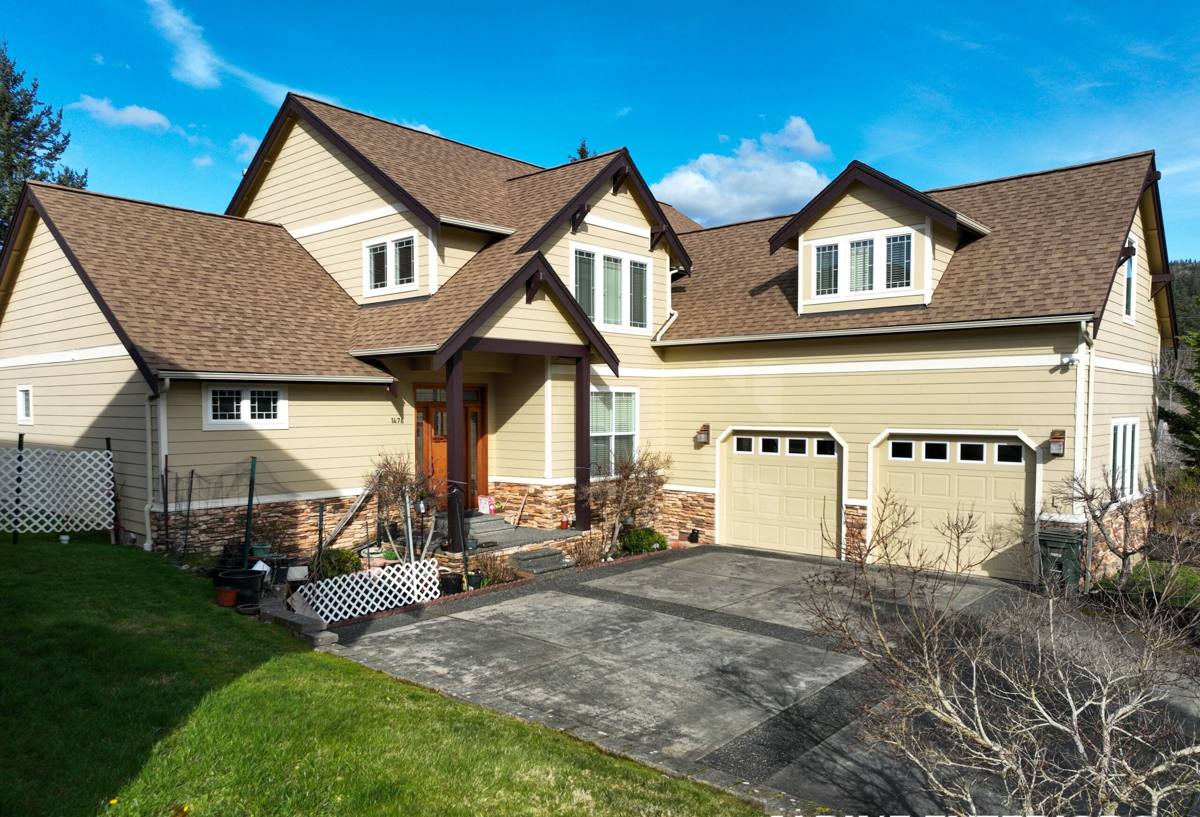
What Renton's Climate Actually Does to Siding
Moisture Load, Not Just Rainfall
The Puget Sound region doesn't get the heaviest annual rainfall in the country, but it gets some of the most persistent. Long, low-intensity rain events soak into anything porous and keep wall assemblies damp for days at a time. Add in the marine influence pushing humid air inland, and you get siding that rarely gets a long, hard dry-out period between storms — especially October through April.
Moss and Algae Season
Shaded lots, mature trees, and consistent moisture make Renton a place where moss and algae growth on siding, trim, and roofing is a normal seasonal reality, not a sign of neglect. Siding that holds surface moisture or has porous, uncoated substrate gives moss more to grab onto and speeds up the cycle of staining and cleaning.
Salt-Influenced Air
Homes closer to Lake Washington and the broader Sound get intermittent exposure to salt-laden air. It's not the same as true oceanfront corrosion exposure, but it does accelerate the breakdown of unprotected fasteners, cheap trim, and finishes that aren't engineered for a marine-adjacent climate.
What This Means for a Correct Installation
Given that combination — persistent moisture, moss pressure, and salt-influenced air — a siding job in Renton has to get a few things right that matter less in drier inland climates:
- A drainage plane and rainscreen gap that lets bulk water escape instead of sitting against the wall sheathing
- Correct flashing and kick-out details at every roof-wall intersection, window head, and deck ledger
- Fastener selection that won't corrode or streak the finish over a multi-decade service life
- A factory-applied finish that resists moisture absorption at the board surface, not just a field-applied paint film
- Proper board clearance from grade, decks, and roof lines so splash-back and standing water don't sit against the bottom course
Skip any one of these and the failure shows up as the same symptoms: swelling, staining, moss creep, paint failure, or soft spots at the bottom courses — usually inside three to seven years, not thirty.
Why We Only Install James Hardie Fiber Cement
We made a deliberate decision to install one siding system — James Hardie fiber cement — rather than offer vinyl, LP SmartSide, or other fiber cement brands as interchangeable options. That's not a marketing position; it's a response to what actually holds up under King County's moisture cycle over a 20-30 year window.
Non-Combustible, Dimensionally Stable
Fiber cement doesn't expand and contract with humidity swings the way wood-based products can, and it doesn't soften or delaminate the way an engineered wood substrate can if a seam or cut edge takes on water. In a climate where boards rarely get a long dry stretch, that dimensional stability matters more than it would somewhere arid.
ColorPlus Factory Finish
Hardie's ColorPlus finish is baked on at the factory rather than sprayed or brushed on site. That matters directly for moss and algae resistance — a consistent, fully-cured factory finish gives algae less texture and porosity to colonize than a field-applied coat, and it holds color longer under the Northwest's UV and moisture cycle.
HZ5 Engineering for This Climate
Hardie's HZ5 product line is engineered specifically for climates with freeze-thaw cycling and sustained moisture exposure — which describes the Renton area well. It's a different formulation than the HZ10 line built for hot, humid Southeast climates, and using the correct zone product is part of doing the job right, not an upsell.
A Real, Transferable Warranty
Hardie backs its boards with a long-term product warranty, and the ColorPlus finish carries its own separate finish warranty. That warranty is only meaningful if the installation follows Hardie's published fastening, clearance, and flashing specifications — which is exactly what a manufacturer-trained crew should be doing anyway.
Why We Don't Install Vinyl, LP SmartSide, or Other Fiber Cement Brands
We get asked about alternatives often enough that it's worth being direct about the trade-offs, not just naming a preference.
| Product | What it does well | Why it's not our standard here |
|---|---|---|
| Vinyl siding | Low upfront cost, no painting | Can warp or become brittle across our freeze-thaw and wind cycle; doesn't offer the same fire performance or resale profile as fiber cement |
| LP SmartSide (engineered wood) | Lighter weight, easier to cut on site | Wood-strand substrate is more moisture-sensitive at cut edges and seams than fiber cement, which matters in a climate that stays damp much of the year |
| Other fiber cement brands (Cemplank, Allura) | Similar base material to Hardie | We standardized on one manufacturer, one finish system, and one warranty structure so every crew installs to a single, well-documented spec |
| Primed spruce / cedar | Traditional look, renewable material | Requires ongoing repainting and sealing to keep moisture out; in a moss-prone, high-moisture climate that maintenance burden is significant |
Every one of those products has a legitimate place in the market. We simply chose not to install them, because we'd rather stand behind one system we can install to spec and warranty with confidence than offer a menu of products with meaningfully different long-term outcomes.
Our Installation Process on a Renton Home
1. On-Site Assessment
We start by looking at the existing wall assembly, not just the visible siding. That means checking for hidden moisture damage, evaluating the current drainage plane, and noting problem areas like roof-wall intersections, deck ledgers, and grade clearance — all common trouble spots in this climate.
2. Substrate and Moisture Barrier Prep
Any compromised sheathing gets addressed before new siding goes up — covering it over is how small moisture problems become big structural ones. We install a code-compliant weather-resistive barrier and a drainage gap so incidental moisture that gets behind the cladding has somewhere to go.
3. Flashing First
Every window, door, roof intersection, and penetration gets flashed and integrated with the water-resistive barrier before boards go on. This is the step that's invisible once the job is done and the step most responsible for whether a siding job lasts 10 years or 40.
4. Hardie Board Installation to Manufacturer Spec
Boards are installed with correct fastener spacing, butt-joint treatment, and clearances from grade, roofing, and decks, following James Hardie's published installation instructions — the same instructions that keep the product warranty intact.
5. Trim, Caulking, and Touch-Up
Corner boards, trim, and any factory-finish touch-up are completed with Hardie-compatible materials so the finish performs consistently across the whole wall, not just on the field boards.
6. Final Walkthrough
We walk the completed job with the homeowner, point out what was done at key details like flashing and clearances, and cover basic care going forward.
What to Ask Before Hiring Any Siding Contractor in Renton
Whether you go with us or someone else, these are the questions that separate a crew that understands this climate from one that's just hanging boards:
- Do you install a drainage plane and rainscreen gap, or fasten siding directly to the barrier?
- How do you flash roof-wall intersections and deck ledgers specifically?
- What's your minimum clearance from grade, roofing, and horizontal surfaces?
- Are your installers manufacturer-trained on the specific product going on my house?
- Is the manufacturer's product and finish warranty intact after your installation, or does field-applied work void part of it?
If a contractor can't answer these clearly and specifically for your home, that's worth noticing before signing anything.
Maintenance Realities for Renton Homes
Even correctly installed fiber cement isn't maintenance-free — nothing exposed to King County weather is. Homeowners should expect to periodically rinse siding to discourage moss and algae buildup, keep gutters clear so overflow doesn't run down the wall face, and keep an eye on caulking at trim joints over time. The difference with a correctly installed Hardie system is that these are surface-level, occasional tasks rather than structural concerns — because the drainage plane and factory finish are doing the harder work underneath.
Why Local Experience with Renton Homes Matters
A crew that already works regularly in the Renton area and broader King County has already seen how local lot conditions — shaded, tree-covered yards, homes close to the water, older housing stock with decades-old trim details — actually behave over time. That's different from general siding experience. It means fewer surprises once the old siding comes off, and installation decisions (flashing details, clearance heights, fastener choice) that are already calibrated to this specific climate rather than a generic spec sheet.
If you're planning a siding project in Renton and want a straight answer about what your home needs, we're glad to take a look. Reach out for a free, no-pressure estimate using the form below.