 King County
 Roof Replacement for Capitol Hill's Older Housing Stock
Capitol Hill is one of the older, denser neighborhoods we work in, and that shows up on the roof. Craftsman bungalows, older apartment conversions, and mid-century additions sit shoulder to shoulder with newer infill construction, and each roof type behaves differently once it starts to fail. A roof replacement here isn't a one-size job — it depends on the roof's age, the framing underneath it, how tightly the lot is packed with neighboring structures, and how much shade and moss pressure the roof has taken over the decades. Our job is to look at all of that before we ever talk about shingles.
What doesn't change is the climate every one of these roofs is fighting. King County sits under a long wet season, and a hill neighborhood close to the water adds a salt-air component that inland roofs don't deal with as much. Between the driving rain, the humidity, and the shade from mature street trees, moss and moisture are the two things that end a Capitol Hill roof's life early if the original install or the maintenance history wasn't solid.
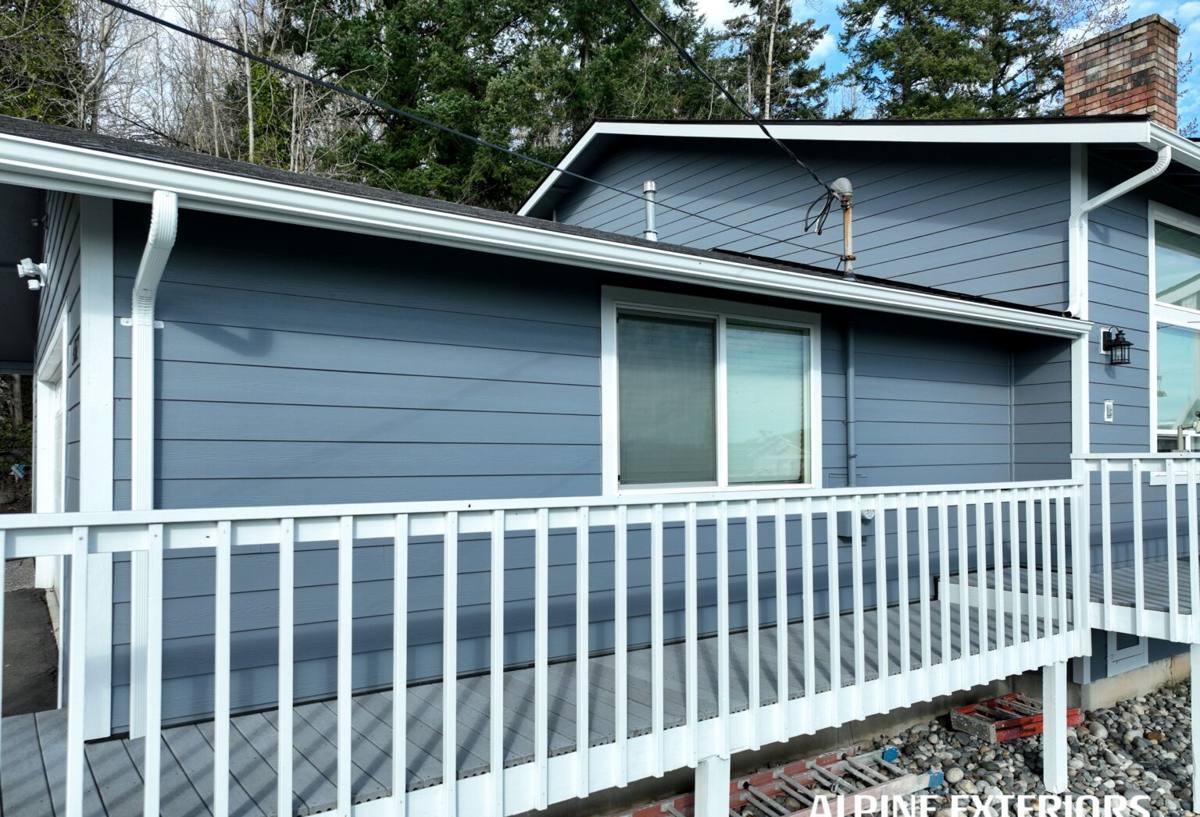
Why This Climate Is Hard on Roofs
Salt Air and Metal Fatigue
Being close to Puget Sound means airborne salt reaches roofing metal — flashing, fasteners, gutter hardware — faster than it would further inland. Salt exposure accelerates corrosion on lower-grade metal and fasteners, which is why we pay close attention to what metal we're speccing for flashing and valleys on any replacement in this area, not just what's cheapest.
Driving Rain and Wind-Driven Water
Seattle-area storms don't just fall straight down — wind pushes rain sideways into roof-wall intersections, dormers, and anywhere two roof planes meet. On older Capitol Hill homes with additions, bump-outs, or converted attic space, these transition points are usually where the original roof was weakest. A correct replacement re-details these areas instead of just re-covering what's there.
Moss and the Long Wet Season
King County's moss season effectively runs most of the year on shaded, north-facing, or tree-covered roof planes — and Capitol Hill has plenty of mature tree canopy. Moss holds moisture against the roof surface, works into shingle laps, and lifts granules and edges over time. It's rarely the direct cause of a leak, but it's almost always the reason a roof's usable life gets cut short.
Signs a Capitol Hill Roof Is Due for Replacement
- Granules collecting in gutters or at downspout outlets, especially after a hard rain
- Moss or algae streaking that keeps coming back within a season or two of cleaning
- Shingles that look cupped, curled, or flattened when viewed from the street or a neighboring window
- Soft spots, sagging, or visible unevenness along the roof plane
- Water stains on interior ceilings, especially near chimneys, skylights, or roof-wall intersections
- Daylight visible through the attic roof deck
- A roof that's 20-plus years old with no major work done, or one repaired more than two or three times in recent years
Any one of these can be a minor fix. Several together, especially on a roof already past the middle of its expected lifespan, usually mean replacement is the more honest recommendation than another round of patching.
What a Correct Roof Replacement Involves
A roof replacement is more than swapping old shingles for new ones. The parts most homeowners never see are the parts that determine whether the new roof actually holds up to a Puget Sound winter.
Tear-Off and Deck Inspection
We remove the existing roofing down to the deck rather than layering over it. That's the only way to actually see the plywood or plank sheathing underneath — rot, soft spots, and old water damage hide under the surface layer and get missed if you don't tear off. Any damaged decking gets replaced before anything else goes down.
Underlayment and Ice/Water Protection
Given how much sideways rain this area gets, we pay particular attention to underlayment quality and to self-adhered ice-and-water membrane at eaves, valleys, and roof-wall intersections — the exact spots wind-driven rain targets first. This is the layer that saves a roof when a shingle eventually fails; it shouldn't be an afterthought.
Flashing
Given the salt-air exposure on this side of the county, we spec flashing and fasteners rated for the corrosion these roofs actually face, not just the minimum the manufacturer allows. Chimney flashing, step flashing along dormers and additions, and valley metal are where most "mystery leaks" originate on older Capitol Hill homes, so these get rebuilt correctly rather than reused.
Ventilation
Older homes in this neighborhood were often built before modern attic ventilation standards. Poor ventilation traps moisture in the attic, which shortens the life of the new roof from underneath and can contribute to moss growth by keeping the deck cooler and damper than it should be. We evaluate intake and exhaust venting as part of every replacement, not as an upsell.
Final Roofing Layer
Whether the choice is a standard architectural shingle, a heavier-duty shingle line, or a metal roofing system, the material only performs as well as everything installed underneath it. We'll walk through the honest trade-offs of each option for your specific roof rather than pushing whatever has the best margin.
Comparing Common Roofing Options for This Area
| Roofing Type | How It Handles Moss/Moisture | Maintenance | Typical Lifespan |
|---|---|---|---|
| Standard architectural shingle | Moderate — needs periodic moss treatment on shaded planes | Occasional cleaning, gutter checks | 20-25 years with good ventilation |
| Heavier-duty/impact-rated shingle | Better resistance to granule loss and lifting | Same as standard, slightly less frequent | 25-30+ years |
| Standing seam metal | Sheds moisture and moss quickly due to smooth, steep-shedding surface | Low; occasional fastener/sealant check | 40-50+ years with correct install |
| Cedar shake (legacy/historic homes) | Higher moisture retention risk in this climate without diligent upkeep | High — regular treatment needed | Varies widely with maintenance |
None of these is automatically "wrong" for Capitol Hill — the right call depends on your roof's pitch, shade exposure, budget, and whether you're matching a historic district look or a modern renovation. We'll give you our honest read for your specific house rather than a generic recommendation.
Cost Factors Specific to This Neighborhood
Every estimate is specific to the house, but a few things consistently move the price on Capitol Hill roofs:
- Tight lot access: narrow lots, shared driveways, and street parking limits can affect staging, dumpster placement, and material delivery logistics
- Roof complexity: dormers, additions, and multiple roof planes on older homes add cutting, flashing, and labor time versus a simple gable roof
- Deck condition: homes with a history of moss or slow leaks sometimes need deck repair or replacement discovered only at tear-off
- Historic or design review requirements: some Capitol Hill properties fall under design guidelines that affect material or color choices
- Height and pitch: steeper or taller roofs on multi-story homes require more safety setup and labor time
We walk every roof in person before quoting so these factors are priced into your estimate up front, not discovered as a surprise change order mid-project.
Our Process for a Capitol Hill Roof Replacement
- On-site inspection: we walk the roof and attic, check for moss patterns, ventilation, and any signs of deck damage or past leaks
- Honest scope and estimate: we tell you what actually needs replacing versus what's cosmetic, with a written estimate covering material, tear-off, and any deck or ventilation work anticipated
- Scheduling around the weather: we plan installs around King County's rain patterns and try to avoid opening up a roof deck when a multi-day system is forecast
- Tear-off and deck repair: full removal of old roofing, deck inspection, and repair of any damaged sheathing before new materials go down
- Underlayment, flashing, and ventilation install: the protective layers get installed to standards suited for wind-driven rain and salt-air exposure, not just manufacturer minimums
- Final roofing and cleanup: shingles or metal installed to spec, followed by a full site cleanup including magnetic sweep for stray fasteners
- Walkthrough: we go over the finished roof with you before calling the job done
Why Hire a Crew That Already Works in Capitol Hill
A roofing crew that regularly works this neighborhood already knows what to expect: tight lot access, the specific way tree cover shades certain blocks and drives moss growth, and how older framing on Craftsman and early-20th-century homes typically holds up under a new roof load. That familiarity means fewer surprises during tear-off and a more accurate estimate the first time, rather than change orders once the roof is opened up.
It also means we're not guessing at code requirements, permitting expectations, or how King County's rain and wind patterns should shape underlayment and flashing choices. A roofer who mostly works drier climates elsewhere in the country isn't wrong to use different standards there — but transplanting those standards to a Capitol Hill roof is how you end up with a roof that looks fine for two years and then fails at the seams.
Maintaining Your New Roof
A correctly installed roof still benefits from basic upkeep in this climate:
- Keep gutters clear so water isn't backing up under the eaves during heavy rain
- Have moss treated on shaded roof planes before it builds up, rather than after it's visibly thick
- Trim back tree limbs that overhang the roof to reduce shade, debris, and physical wear
- Schedule a periodic visual inspection, particularly after major windstorms
None of this is complicated, but skipping it is the single biggest reason otherwise well-installed roofs in this area age faster than they should.
Get a Straight Answer About Your Roof
If your Capitol Hill roof is showing moss, granule loss, or you're just not sure how much life it has left, we're glad to take a look. We'll give you a clear read on what your roof actually needs — not a scare tactic, not an upsell — and a written estimate you can weigh at your own pace. Reach out below for a free, no-pressure estimate.