 King County
 Why Seattle Decks Wear Out Faster Than the Manual Says
A deck in a dry inland climate can go a decade with nothing more than an annual cleaning. A deck in Seattle doesn't get that luxury. Between the marine air coming off Puget Sound, the long stretch of driving rain that runs from fall through spring, and the shaded, damp conditions that let moss and algae take hold on north-facing structures, a King County deck is under near-constant moisture load for most of the year. Add in the salt content carried on coastal air, which accelerates corrosion on fasteners and metal connectors, and you have a structure that's fighting three slow-motion battles at once: wood decay, hardware failure, and surface growth that traps water against the boards.
None of that means decks here are poorly built. It means they need attention at the right intervals, and when something does go wrong, it needs to be repaired the right way the first time. A patch job that ignores what's actually happening underneath the boards tends to fail again within a season or two, especially through a wet Seattle winter.
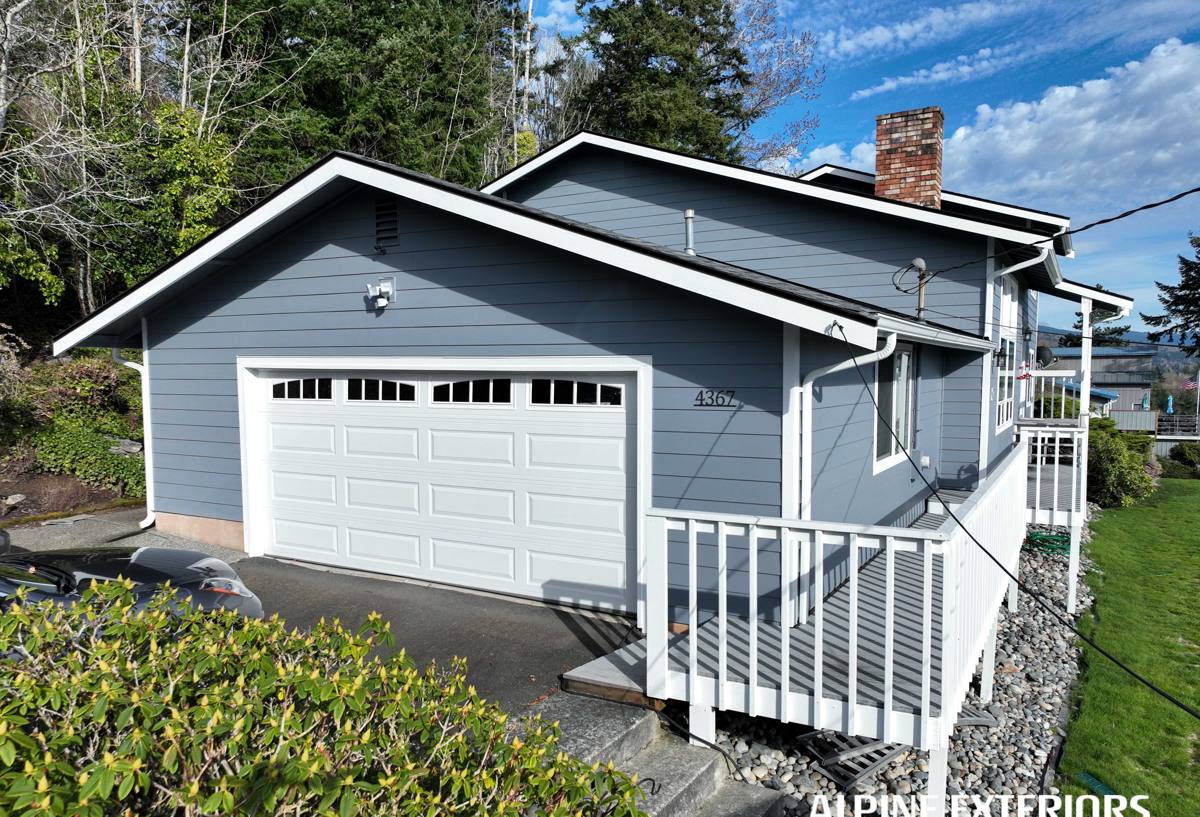
The Deck Problems We See Most Often in Seattle Homes
Rot at the Ledger Board and Framing
The ledger board — where the deck attaches to the house — is the single most important structural connection on most decks, and it's also the spot most exposed to trapped moisture if flashing was missed or has failed over time. Water that gets behind the ledger doesn't dry out quickly in our climate; it sits, and the wood underneath softens. This is a safety issue, not just a cosmetic one, since the ledger carries a significant share of the deck's live load.
Corroded Fasteners and Hardware
Nails, screws, and joist hangers that weren't rated for exterior or coastal exposure will rust well before the wood around them fails. Once fasteners lose their grip, boards start to lift, rails loosen, and joist hangers can pull away from the framing. This is easy to miss on a quick visual look because the surface wood can still look fine.
Moss, Algae, and Surface Staining
Shaded decks and north- or east-facing surfaces in King County grow moss and algae readily, especially through the long wet season. Beyond the slip hazard, moss holds moisture directly against the wood or composite surface, which speeds up decay in real lumber and can stain composite decking in ways that pressure washing alone won't fully correct.
Loose or Out-of-Code Guardrails and Stairs
Guardrail posts and stair stringers take a lot of repeated stress, and once the connection points start to loosen — often from the same moisture and corrosion issues affecting the rest of the deck — they become a genuine fall hazard. This is one of the most common issues we're asked to address on older Seattle-area decks.
Repair or Replace? How We Actually Decide
Homeowners often assume any deck trouble means a full rebuild. Sometimes that's true. Often it isn't. The honest answer depends on how far the damage has spread and whether the structural bones are sound.
| Factor | Usually Repairable | Usually Needs Replacement |
|---|---|---|
| Ledger board condition | Isolated soft spots, flashing failure caught early | Widespread rot along the ledger's length |
| Framing (joists, beams) | A few damaged joists in an otherwise sound frame | Deflection or rot across most of the framing |
| Decking boards | Scattered cracked or cupped boards | Most boards checked, cupped, or spongy |
| Fasteners/hardware | Localized rust, connectors still holding | Widespread corrosion, hangers pulling loose |
| Footings/posts | Stable, no movement or heaving | Settling, rot at grade, or undersized for current code |
We'd rather tell a homeowner their deck has a few good years of repair life left than sell an unnecessary rebuild — and we'd rather flag real structural risk than patch over it. That call gets made after an actual inspection, not a guess from the driveway.
What a Correct Deck Repair Actually Involves
A repair that holds up in this climate goes past swapping out the obviously bad boards. A proper job includes:
- Pulling decking in the affected area to inspect the framing underneath, not just patching the surface
- Checking and correcting flashing at the ledger board so water sheds away from the house instead of behind it
- Replacing corroded fasteners and connectors with hardware rated for exterior and coastal exposure
- Confirming joist hangers, post bases, and guardrail connections meet current structural requirements, not just matching what was there before
- Addressing the moisture source, not just the symptom — poor drainage, missing gaps between boards, or plantings crowding the structure
Skipping the "why" and only fixing the "what" is how the same repair ends up back on the schedule two winters later.
Our Repair Process
1. On-Site Inspection
We walk the deck, check the ledger connection, probe suspect boards and framing for softness, and look at the hardware and footings. This tells us whether we're looking at a targeted repair or something more extensive.
2. A Straight Answer and a Written Scope
You get an honest assessment of what's actually wrong, what it will take to fix correctly, and a clear scope before any work starts — no guesswork billing.
3. The Repair Itself
We remove and replace only what's compromised, correct any flashing or drainage issues we find, and upgrade fasteners and connectors as needed so the fix addresses the cause, not just the symptom.
4. Final Check
Before we call it done, we confirm the deck is structurally sound, rails and stairs are secure, and the repaired area will handle the wet season ahead.
Decking Material Considerations When Repairing
What you repair with matters as much as how it's installed. In a climate like Seattle's, we weigh a few honest trade-offs with homeowners:
Wood (Cedar, Pressure-Treated)
Cedar has natural rot resistance and a look a lot of homeowners want, but it needs regular sealing or staining to hold up against our rain and won't stay maintenance-free. Pressure-treated lumber is more affordable and structurally solid for framing, but as decking it also needs upkeep to resist moisture and moss over time.
Composite Decking
Composite resists rot and won't need staining, which appeals to homeowners tired of the maintenance cycle. The trade-off is that composite is less forgiving of poor installation — gaps, ventilation, and fastening all have to be right, since composite behaves differently than wood under moisture and temperature swings. We only install it to the manufacturer's specifications, because shortcuts here show up later as warping or fastener issues.
Matching Repairs to Existing Decking
When repairing a section of an existing deck, matching board profile, color, and fastening method matters for both appearance and long-term performance — mismatched materials can age differently and create uneven wear patterns.
Permits and Code in Seattle and King County
Whether a deck repair needs a permit depends on the scope of work — structural repairs, especially anything touching the ledger board, framing, or guardrails, are more likely to require review than simple board replacement. Requirements can vary depending on your specific jurisdiction within King County. We factor this into the scope of work up front so there are no surprises mid-project, and we build repairs to meet current structural standards rather than just replicating whatever was there originally.
Keeping a Repaired Deck in Good Shape
Once a deck is repaired correctly, a little seasonal attention goes a long way in this climate:
- Clear leaves and debris from between boards before fall rains set in
- Rinse off moss and algae growth before it has a chance to establish, especially on shaded sections
- Check that gutters and downspouts near the deck aren't dumping extra water onto or under it
- Inspect guardrails and stair connections for looseness once a year
- Re-seal or re-stain wood decking on the manufacturer's recommended schedule, not just when it looks faded
- Trim back plantings that are keeping the deck surface shaded and damp
Why Hire a Crew That Already Works in Seattle
Deck problems in this region follow patterns — where moisture collects, which connections fail first, how moss establishes on shaded framing — that show up repeatedly once you've worked on enough King County homes. A crew that already knows those patterns spots the real cause faster and doesn't need to relearn how this climate treats a deck. That's the difference between a repair that lasts and one that's back on your to-do list next season.
If you've got soft spots, loose rails, rot at the ledger, or a deck surface that's seen better days, we're happy to take a look and give you a straight assessment. Fill out the form below for a free, no-pressure estimate.