 King County
 Renton Roofs Take the Brunt of Puget Sound Weather
Renton sits in one of the wetter, windier corners of King County, and the roofs here show it. Winter systems roll in off Puget Sound bringing sustained wind and driving rain, and the shoulder seasons bring their own problems: saturated ground, saturated air, and roofs that rarely get a full week to dry out before the next system arrives. Add in the region's long moss season and the salt-tinged marine air that moves through the county, and you have a climate that is genuinely hard on asphalt shingles, flashing, and the wood underneath them.
None of that means every roof needs a full replacement after a storm. Most of the time it means a specific, identifiable problem — a lifted shingle course, a torn ridge cap, a flashing seam that opened up — needs to be found and corrected before it turns into a bigger repair. That's the work this page is about: storm damage roof repair for homes in Renton and the surrounding King County area, done by a crew that already knows what this climate does to a roof.
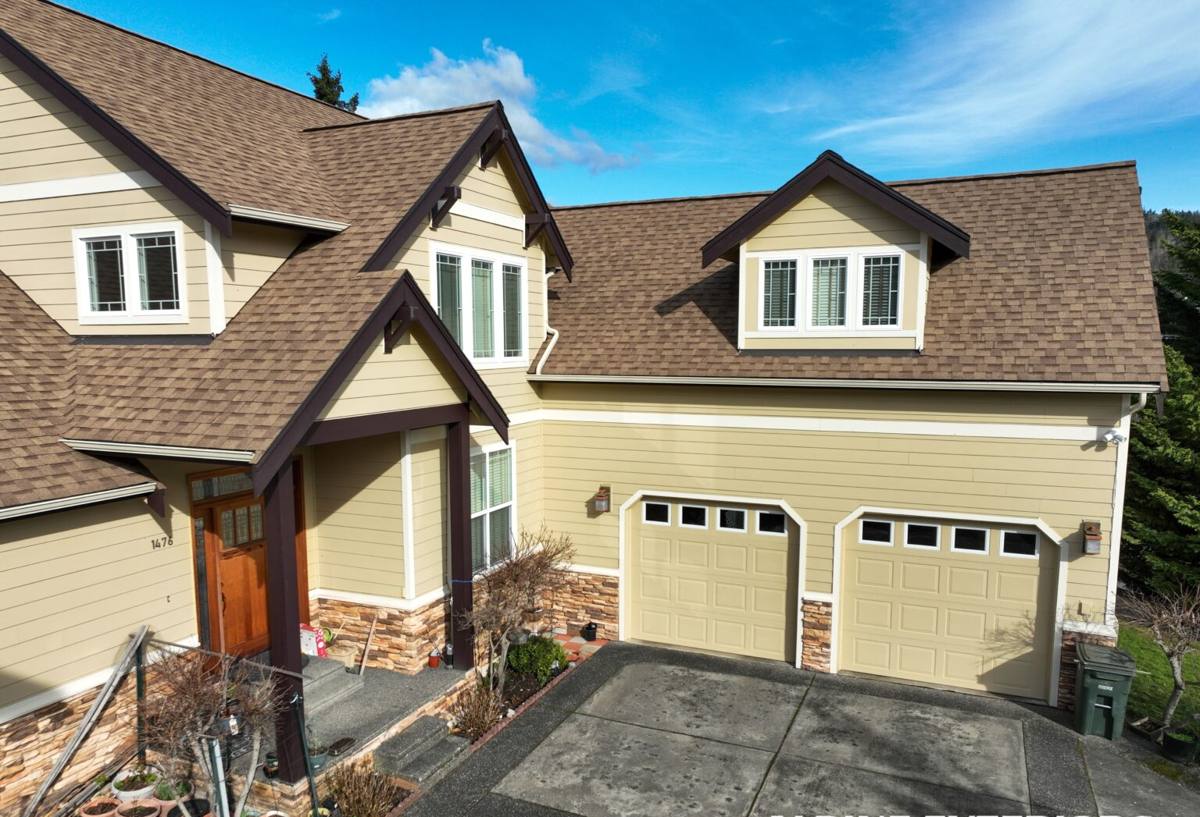
What Storm Damage Actually Looks Like on a King County Roof
Wind Damage
Sustained wind, especially gusts that catch a roof edge or ridge, lifts shingle tabs and breaks the sealant strip that holds them flat. Once that bond is broken, the shingle doesn't always blow off right away — it can flap in every wind event afterward, working the nails loose and letting water underneath a little more each time. That's why a roof can look intact from the ground after a storm and still have real, developing damage.
Wind-Driven Rain and Leaks
Renton storms rarely drop rain straight down. Driving rain pushes water sideways and upward under shingle edges, around chimney and skylight flashing, and into any gap that would stay dry in a calmer climate. A leak that shows up inside the house days after a storm is often the result of water that worked its way in during the wind event and took time to find a path through the decking.
Moss and Long-Term Moisture Damage
King County's moss season is long, and moss doesn't just sit on top of a roof looking bad — it holds moisture against the shingle surface and works its way under tabs and around granules, which shortens the life of the roofing material and can mask storm damage underneath it. A roof that's already carrying a moss load is more vulnerable when a storm hits, because the shingles are weaker and the deck underneath may already be holding moisture.
Our Storm Damage Repair Process
We approach every storm repair call the same methodical way, whether it's a single lifted shingle or a section of roof that took real damage:
- Inspection. We get on the roof (not just a look from the ground or a photo from a drone) and check the decking, flashing, ridge, valleys, and the shingle field itself for both obvious and less obvious damage.
- Documentation. We note and photograph what we find, which matters both for our own repair plan and for any insurance claim you decide to file.
- Honest assessment. We tell you what actually needs to happen — a targeted repair, a larger section replacement, or in some cases just monitoring — and explain why.
- Repair. We match materials as closely as possible, correct the underlying cause of the damage (not just the visible symptom), and re-seal and re-flash as needed.
- Follow-up. We check our own work holds up through the next weather cycle, especially on repairs done during active storm season.
Repair or Replace? How We Make That Call
Not every storm-damaged roof needs a full replacement, and not every roof can be safely patched. The honest answer depends on a handful of factors we walk through with you before recommending anything.
| Factor | Leans Toward Repair | Leans Toward Replacement |
|---|---|---|
| Roof age | Under 12-15 years, otherwise sound | Nearing or past expected shingle lifespan |
| Extent of damage | Isolated area, single slope, or one component | Multiple slopes or widespread lifted/missing shingles |
| Decking condition | Dry, solid wood underneath | Soft, delaminated, or water-stained decking |
| Existing moss/wear | Light moss, granules still intact | Heavy moss coverage, visible granule loss |
| Material availability | Matching shingle still obtainable | Discontinued color or profile, no reasonable match |
When a roof lands in the middle of that table, we say so, and we lay out both options with real trade-offs instead of pushing toward the bigger job.
Materials and Methods We Use for Renton Storm Repairs
For most storm repairs on King County homes, we're working with architectural asphalt shingles, which remain the most practical choice for patch and section repairs because they're widely available, blend reasonably well with existing roofs, and perform well against wind uplift when installed and sealed correctly. We use manufacturer-specified nailing patterns and sealant, not shortcuts, because a repair that isn't properly fastened and sealed is just a future callback.
Flashing work matters as much as the shingles themselves. A lot of the leaks we trace back to storm damage started at a flashing seam — around a chimney, a vent pipe, or a valley — rather than in the open shingle field. We replace and re-seal flashing as part of a proper storm repair rather than working around it, because caulking over a damaged flashing joint is a temporary fix at best.
Working With Your Insurance Claim
Many storm repairs in this area are covered, in whole or part, by homeowner's insurance, depending on your policy and the cause of the damage. We're glad to document what we find in a way that's useful for a claim — clear photos, a written description of the damage, and an honest scope of work. We don't inflate estimates or manufacture damage to maximize a claim; we tell you what we actually see and let that stand on its own. What your policy covers and how your deductible applies is between you and your insurer, but we'll give you the documentation to have that conversation from an informed position.
Moss Season and Preventing the Next Round of Damage
Because King County's moss season runs long and the marine air keeps roofs damp for extended stretches, a storm repair is a good moment to deal with moss growth too, rather than treating it separately. Removing moss buildup and addressing the shaded, moisture-holding areas where it tends to return reduces the chance that the same roof shows up on our schedule again next storm season. We won't upsell moss treatment you don't need, but if it's contributing to premature wear near the area we're repairing, we'll point it out.
Why Hire a Crew That Already Works in Renton
Roofing crews who work all over the state tend to treat every job the same way. A crew that regularly works Renton and the rest of King County knows this area's storm patterns, knows how the moss season interacts with roof age here, and isn't guessing at what "normal wear" versus "storm damage" looks like on a Pacific Northwest roof. That local familiarity shows up in faster, more accurate assessments and repairs that account for what this specific climate will keep doing to your roof after we leave.
It also matters for response time. Storm damage doesn't wait for a convenient week, and a local crew can typically get eyes on your roof faster than one dispatching from out of the area, which matters when an open seam or lifted shingle is actively letting water in.
After a Storm: A Homeowner's Checklist
If your Renton home just came through a wind or rain event, here's what's worth doing before you call anyone:
- Check attic and ceiling areas for new water stains, even faint ones, in the days following the storm
- Look at the yard and gutters for shingle granules, torn shingle pieces, or bent flashing that blew off
- Note any visibly lifted or missing shingles you can see safely from the ground — don't get on the roof yourself
- Photograph anything you notice, both for your own record and for a possible insurance claim
- Avoid tarping or DIY patching beyond basic safety measures, since improper patches can trap moisture and complicate a proper repair
- Get an inspection promptly rather than waiting, since minor storm damage tends to worsen with the next weather system
If a recent storm has you wondering whether your roof took damage, we're happy to take a look. Reach out for a free, no-pressure estimate using the form below, and we'll give you a straight answer about what your roof actually needs.