 King County
 Window Replacement Built for Ballard's Weather, Not Just Any Weather
Ballard sits close enough to Puget Sound that its houses take a different kind of beating than homes a few miles inland. Salt-laden air off the water, driving rain that comes in sideways during winter storms, and a long stretch of the year where moss and moisture never fully dry out all work on window frames, sills, and hardware in ways that generic weatherproofing doesn't fully account for. A window replacement job done right in Ballard has to be planned around that reality from the start, not treated the same as a job in a drier part of King County.
This page covers what window replacement actually involves for Ballard homes — what the climate does to windows over time, how to tell when it's time to replace rather than repair, what a correct installation looks like, and why local experience matters more here than most homeowners realize.
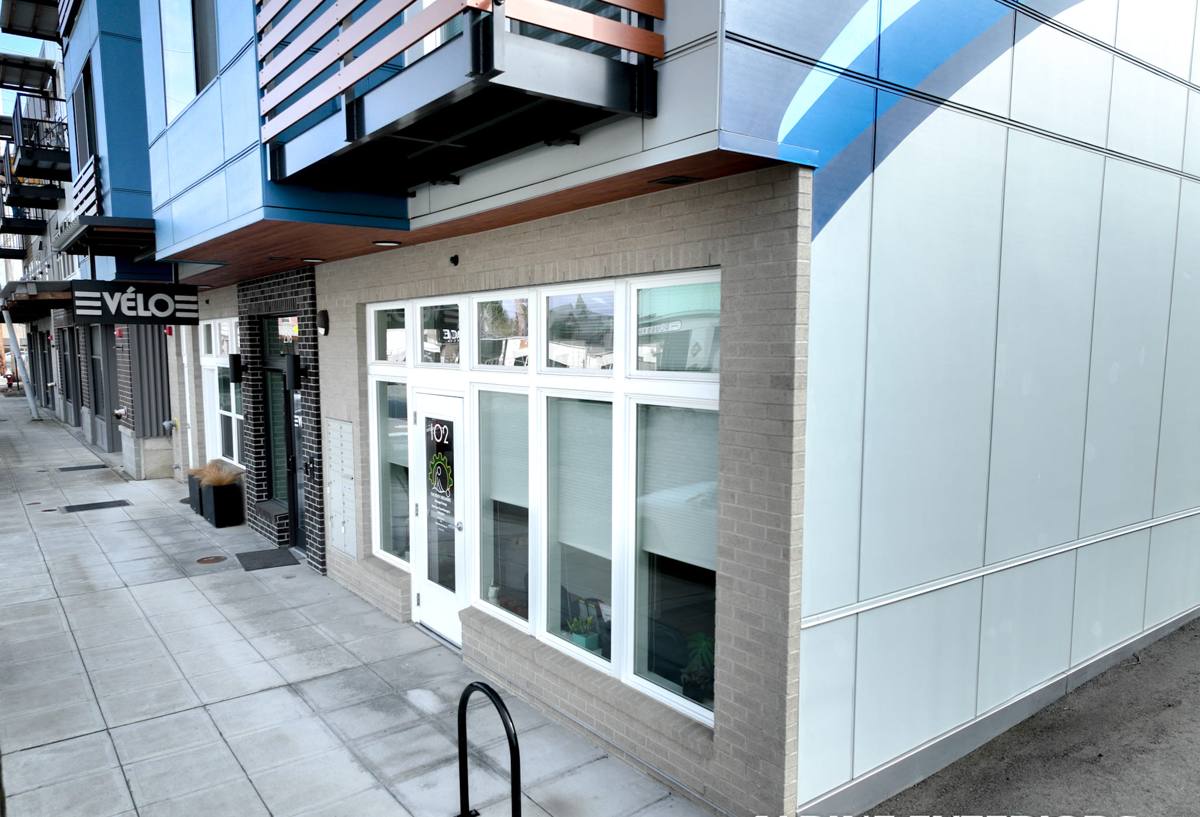
What Puget Sound Weather Does to Older Windows
Salt Air and Hardware
Ballard's proximity to the Sound means a steady low-level exposure to salt in the air, especially on the west-facing sides of homes. Over years, that salt air accelerates corrosion on window hardware — hinges, locks, balance mechanisms, and any exposed metal fasteners. Once hardware starts seizing or pitting, windows get harder to open and close, seals compress unevenly, and the window stops doing its job even if the glass itself still looks fine.
Driving Rain and Water Management
Storms coming off the Sound don't just fall straight down — wind-driven rain gets pushed sideways into wall assemblies, and window openings are one of the most common places water finds a way in. Old or poorly flashed windows can let moisture track behind the trim and into the framing long before there's any visible sign inside the house. By the time a stain shows up on drywall or a sill feels soft underfoot, water has usually been getting in for a while.
Moss Season and Trim Rot
King County's long wet season keeps wood trim, sills, and cladding damp for extended stretches, which is exactly the environment moss and mildew need to take hold. On older wood-framed windows, that sustained dampness softens the wood around the frame and sill, which is often the real cause of a "drafty window" complaint — the frame itself has started to fail, and no amount of caulking will fix that.
Signs Your Ballard Home Is Ready for New Windows
Not every window problem means full replacement, but these are the signs we take seriously when we walk a Ballard property:
- Visible gaps, soft spots, or discoloration in the wood around the frame or sill
- Windows that are difficult to open, close, or lock — often a sign hardware has corroded or the frame has shifted
- Condensation building up between panes on double-glazed units, which usually means a failed seal
- Persistent drafts you can feel near the frame even with the window fully latched
- Noticeably higher heating bills in winter without another clear explanation
- Peeling paint or bubbling on interior trim near the window, which often points to moisture getting in from outside
- Visible moss, black staining, or a musty smell concentrated around specific windows
One or two of these on their own might just need a repair. Several showing up on the same window, or the same symptoms repeating across multiple windows on one side of the house, usually means replacement is the more honest recommendation.
Full-Frame Replacement vs. Insert Replacement
One of the first decisions on any window job is whether to do a full-frame replacement (removing the old window down to the rough opening) or an insert replacement (fitting a new window into the existing frame). Both have a place, and the right call depends on the condition of what's already there — which is exactly why an in-person assessment matters more than a phone estimate.
| Factor | Insert Replacement | Full-Frame Replacement |
|---|---|---|
| Best when | Existing frame and sill are still sound and dry | Frame, sill, or sheathing show rot or water damage |
| Labor and disruption | Faster, less disturbance to interior and exterior trim | More involved, but allows a full inspection of the wall opening |
| Moisture management | Relies on the existing flashing and sill condition | Flashing and sill can be rebuilt to current standards |
| Typical cost | Generally lower | Generally higher, reflecting the added framing and flashing work |
| Long-term outlook | Good option when the opening is in good shape | Better option when there's any doubt about hidden damage |
Given how much sideways rain Ballard gets, we lean toward full-frame replacement whenever there's any sign of past water intrusion, even if it looks minor. An insert installed over a compromised sill just traps the problem behind new trim instead of solving it.
Picking Materials and Glass for This Climate
Material choice matters more here than in drier climates, because whatever you install has to hold up to sustained moisture and salt exposure for decades, not just look good on install day.
| Material | Moisture Performance | Maintenance | Notes for Ballard |
|---|---|---|---|
| Vinyl | Won't rot; seams and welds matter for long-term seal quality | Low | Solid, budget-friendly choice for most homes; quality varies by construction |
| Fiberglass | Very stable in wet, temperature-swinging conditions | Low | Handles the freeze-thaw and damp cycles well; higher upfront cost |
| Wood (clad exterior) | Interior wood needs protection from any moisture that reaches it | Higher | Best suited to homes prioritizing a historic or original look |
| Aluminum | Conducts cold and can be prone to condensation without thermal breaks | Moderate | Less common for residential replacement in this climate |
On glass, we typically recommend double-pane units with a low-E coating and argon gas fill. Low-E coatings help manage heat loss during King County's long heating season without sacrificing the natural light that matters in a region with as many overcast days as this one gets. Argon fill adds a modest but real improvement to insulating performance, and it's a standard, well-proven upgrade rather than an experimental one.
How We Handle a Ballard Window Replacement
The process is straightforward, but the details are where the quality shows up.
- On-site assessment: We look at the actual condition of each window opening, not just the window itself — sill, trim, and any signs of past water intrusion.
- Honest scope recommendation: We tell you plainly whether a given window needs insert replacement, full-frame replacement, or just a repair, and why.
- Material and glass selection: We walk through the options above based on your home's exposure, budget, and how much of the original character you want to keep.
- Removal and inspection: Once the old window is out, we check the framing and sheathing for hidden rot before anything new goes in — this is where full-frame jobs earn their keep.
- Flashing and weatherproofing: Proper flashing sequencing around the new window is the single biggest factor in whether it stays watertight through driving rain for the next twenty years.
- Final fit and seal: Interior and exterior trim goes back cleanly, hardware is tested, and every window is checked for a solid seal before we consider the job done.
Keeping the Character of Older Ballard Homes
A lot of Ballard's housing stock includes older bungalows, craftsman-style homes, and early-to-mid-century construction with distinct window proportions and trim details. Replacing windows on a home like this isn't just a functional swap — get the sightlines, grid pattern, or trim profile wrong and it can throw off the whole front elevation. We pay attention to matching the visual proportions of the original windows even when we're upgrading the materials and performance underneath, so the house still looks like itself once the work is done.
Why Hiring a Crew That Already Works Ballard Matters
Window replacement isn't a one-size-fits-all job, and a crew that mostly works drier parts of King County isn't necessarily thinking about salt air corrosion or wind-driven rain the same way a crew that works Ballard regularly does. Knowing which sides of a house typically take the worst weather, how local moisture patterns show up in framing, and what flashing details actually hold up here comes from doing this work in this neighborhood repeatedly — not from a general knowledge of window installation.
It also matters for permitting and code compliance. Window replacement in Seattle and unincorporated King County can involve permit requirements depending on the scope of work, and a crew familiar with local jurisdictions knows what triggers a permit and what doesn't, so there are no surprises partway through the project.
Get a Straight Answer on Your Windows
If your windows are drafty, hard to operate, or you've noticed moisture or trim damage around them, it's worth getting an honest, in-person look before deciding what to do. We offer free, no-pressure estimates for Ballard homeowners — use the form below to get started, and we'll tell you plainly what we see and what we'd recommend.