 King County
 Why Board & Batten Fits So Many Mercer Island Homes
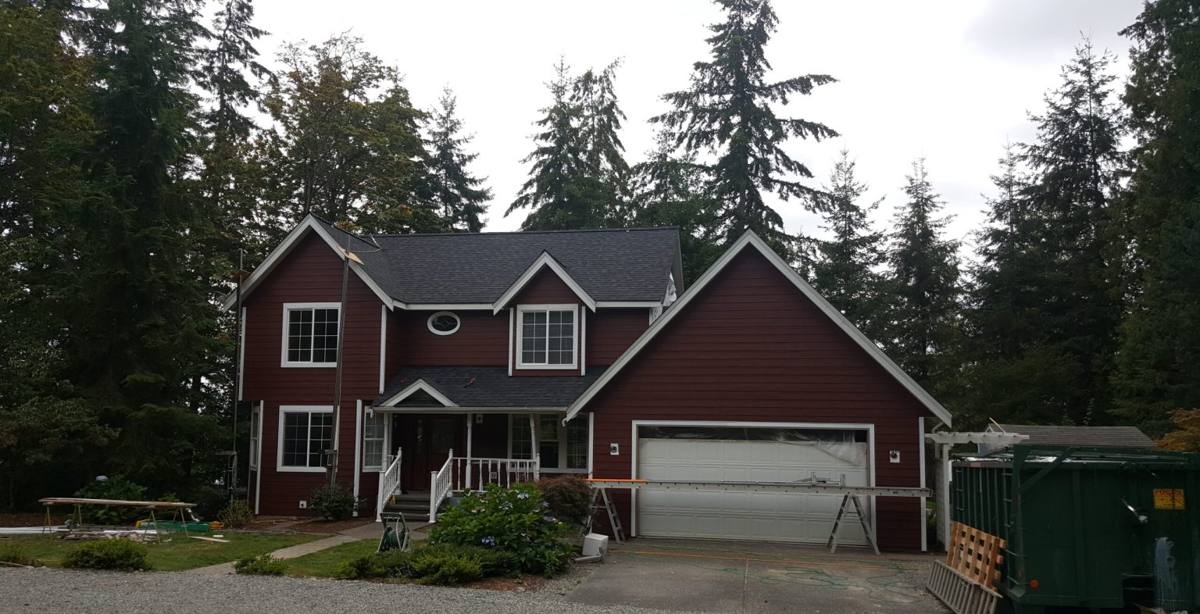
Board and batten has become one of the most requested siding profiles on Mercer Island, and it's easy to see why. The vertical lines read as clean and modern on the newer builds and remodels around the island, while still working comfortably alongside the more traditional homes tucked into the older, wooded neighborhoods. It's common to see it used as a full-elevation siding choice or mixed in as an accent on gables, dormers, and entry walls to break up a facade. That mixed use is part of what makes it tricky to get right — a single home might have board and batten meeting lap siding, stone, or trim in half a dozen places, and every one of those transitions is a spot where water either sheds cleanly or finds a way in.
This page is specifically about board and batten siding for Mercer Island properties — not board and batten in general, and not siding in general. The profile has its own moisture behavior, its own installation sequence, and its own failure points, and Mercer Island's climate puts real pressure on all three.
What Mercer Island's Climate Actually Does to This Siding
Mercer Island sits in the middle of Lake Washington, which means homes here get hit from more than one direction — moisture-laden, salt-tinged marine air moves inland off Puget Sound through King County, driving rain comes in sideways during fall and winter storms, and the island's heavy tree canopy keeps a lot of siding shaded and damp long after a storm has passed. That combination — wind-driven rain plus slow-drying shade — is what drives King County's long moss and algae season, and board and batten is more exposed to it than most profiles.
Here's why: a lap siding wall has one seam type, running horizontally, spaced every few inches, each board overlapping the one below it by design. A board and batten wall has vertical seams every time a batten meets a panel, plus the horizontal seams wherever courses stack, plus every point where the pattern wraps a corner or meets a window or door. More seams means more places where a small installation shortcut becomes a real problem five or ten years later, especially in a climate where the wall assembly rarely gets a long stretch to fully dry out.
Where the Damage Shows Up First
On board and batten walls that were installed without enough attention to detail, the earliest signs of trouble tend to show up in predictable spots: along the bottom edge near grade where splashback and soil contact keep the material wet, behind battens where a bead of caulk was asked to do a flashing's job, at window and door heads where water sheets down and needs somewhere to go, and on the north or heavily shaded elevations where moss gets a foothold and holds moisture against the surface even longer.
The James Hardie Board & Batten System We Install
We install James Hardie fiber cement exclusively — we don't install vinyl board and batten, LP SmartSide, cedar, or primed spruce, and that's a deliberate standard, not a supply limitation. For board and batten specifically, that means HardiePanel vertical siding paired with HardieTrim battens, finished in Hardie's ColorPlus system, which bakes the color onto the panel and trim at the factory rather than relying on a job-site paint job to hold up against King County's wet season year after year.
Fiber cement doesn't behave like wood or wood-composite products in damp, shaded conditions. It doesn't swell and shrink the way solid wood does, it doesn't rely on an on-site primer coat to keep water out of an OSB-based core, and it's non-combustible, which matters more every wildfire season even on the wetter side of the state. Hardie also engineers its products by climate zone — the version installed here is built for our wet, marine HardieZone designation, which is a meaningfully different product than what gets installed in a dry, freeze-prone region.
Panel and Trim Options
Board and batten with Hardie isn't one fixed look. Batten spacing and reveal width can be adjusted to match the scale of the home, and ColorPlus offers a range of factory finishes so the panels and battens arrive color-matched rather than needing to be painted together on site after installation, which is where a lot of DIY and lower-bid board and batten jobs start to look inconsistent within a year or two.
What Correct Installation Actually Involves
Board and batten is one of the easier siding profiles to install badly and have it still look fine for the first year. The problems it develops are almost always hidden behind the wall until they aren't. A correct installation on a Mercer Island home addresses moisture at every stage, not just at the visible caulk line.
Rainscreen and Flashing
We install with a drainage gap — a rainscreen — behind the panels and battens rather than fastening siding flat against the sheathing. That gap lets any moisture that does get past the surface drain and dry instead of sitting against the wall assembly, which matters enormously in a climate where the siding rarely gets a long dry stretch. Flashing gets integrated at every horizontal transition, at window and door heads, and at roof-to-wall intersections — caulk is a detail, not a strategy, and any installer telling you caulk alone will handle a seam on a board and batten wall in this climate is setting the job up to fail quietly.
Fastening and Base Details
Fastener placement and spacing follow Hardie's published schedule for our wind and moisture zone, the starter course is set correctly so the first row sheds water the same way every course above it does, and kickout flashing is used at the base of roof lines so water is directed away from the wall rather than funneled behind the siding. Grade clearance matters too — soil, mulch, or dense plantings pushed up against the bottom edge of board and batten will hold moisture against the material regardless of how good the product is.
What a Correctly Installed System Includes
- A drainage gap (rainscreen) behind the panels and battens, not siding fastened flat to the sheathing
- Flashing integrated at every horizontal break, window and door head, and roof-to-wall transition — not just caulk
- Fastener spacing that follows Hardie's published schedule for our wind and moisture zone
- A properly set starter course and kickout flashing at the base, directing water away from the foundation
- Factory ColorPlus finish carried through on both panels and battens, with color-matched caulk only where it belongs
- Grade clearance and clearance from mulch or dense plantings at the bottom edge
Board & Batten: What You're Actually Choosing Between
Homeowners comparing quotes often end up comparing very different products under the same "board and batten" label. Here's how the common options actually hold up against each other in a climate like this one:
| Approach | Moisture Behavior in Wet Shade | Ongoing Maintenance | Fire Rating | Finish Longevity |
|---|---|---|---|---|
| James Hardie (fiber cement) | Engineered core resists swelling; factory finish is designed to shed water at seams when installed to spec | Occasional wash; no scheduled repainting | Non-combustible | Factory ColorPlus finish typically holds well beyond a decade |
| Cedar or primed spruce | Absorbs and releases moisture with humidity; prone to cupping and checking in shaded, damp spots | Repaint or reseal every few years, more often in shade | Combustible | A few years before repaint is needed |
| LP SmartSide (engineered wood) | Resin-treated strand core; cut edges and joints need consistent field sealing to stay protected | Field-applied finish needs regular inspection at joints | Combustible | Varies with quality of field finishing |
| Vinyl board and batten panels | Doesn't absorb water, but expands and contracts and can warp; seams depend on interlocking laps | Low upkeep, but can't be repainted for a real color change | Combustible, can deform under high heat | Molded-in color fades over time and isn't repairable in place |
None of these are dishonest products — each has homeowners who are happy with them. But we've made a professional decision to install fiber cement only, because it's the option that holds up best against the specific combination of shade, moisture, and long wet seasons that King County puts siding through year after year.
Our Process on Mercer Island Specifically
Working on the island regularly means we've dealt with the practical realities that come with it: tight lot access on some streets, mature tree canopy that needs to be worked around rather than assumed away, and homes where the existing siding has been hiding moisture damage that only becomes visible once it's removed. Our estimate visit includes a look at how much shade and tree cover the walls get, since that directly affects how we sequence drying time during installation and what we flag for you if sheathing needs attention before new siding goes on.
It's also worth knowing that, like most King County cities, Mercer Island has its own permitting process for exterior work, and a number of Mercer Island neighborhoods carry HOA or architectural review guidelines that touch exterior siding changes. We handle the permit side as part of the job, and if your property falls under an association, we'll work within whatever it requires — it's worth a quick check on your end before work starts if you're not sure.
Maintaining Board & Batten Siding in This Climate
Fiber cement cuts down on maintenance significantly, but "low maintenance" isn't "no maintenance" on an island with this much tree cover. A gentle rinse once or twice a year keeps moss, pollen, and general grime from building up, especially on shaded north-facing walls. Keeping gutters clear matters more than people expect — a clogged gutter sheeting water straight down a board and batten wall will overwhelm even a well-flashed system over time. Trimming back vegetation and tree limbs that crowd the siding helps it get the airflow it needs to actually dry between the rain events that define a King County winter. James Hardie backs its products with a strong transferable warranty when installed to spec, which is one more reason installation quality isn't optional — a warranty only means something if the job underneath it was done right.
If you're weighing board and batten for a Mercer Island home, we're happy to walk the property, look at your sun and shade exposure, and give you a straight, no-pressure estimate — fill out the form below and we'll get back to you.