 King County
 Building a Deck That Can Actually Handle Capitol Hill's Weather
Capitol Hill sits close to Puget Sound and Lake Washington, which means homes here deal with a specific combination of weather that a lot of decking material and deck design simply isn't built for: salt-tinged air moving in off the water, long stretches of driving rain through fall and winter, and a moss season that can run for months. A deck that looks great the day it's finished can start showing problems within a year or two if the material choices and the framing details underneath weren't matched to this climate. This page covers what actually matters when you're building or replacing a deck on Capitol Hill — not generic deck-building advice, but the specifics that come up on this side of King County.
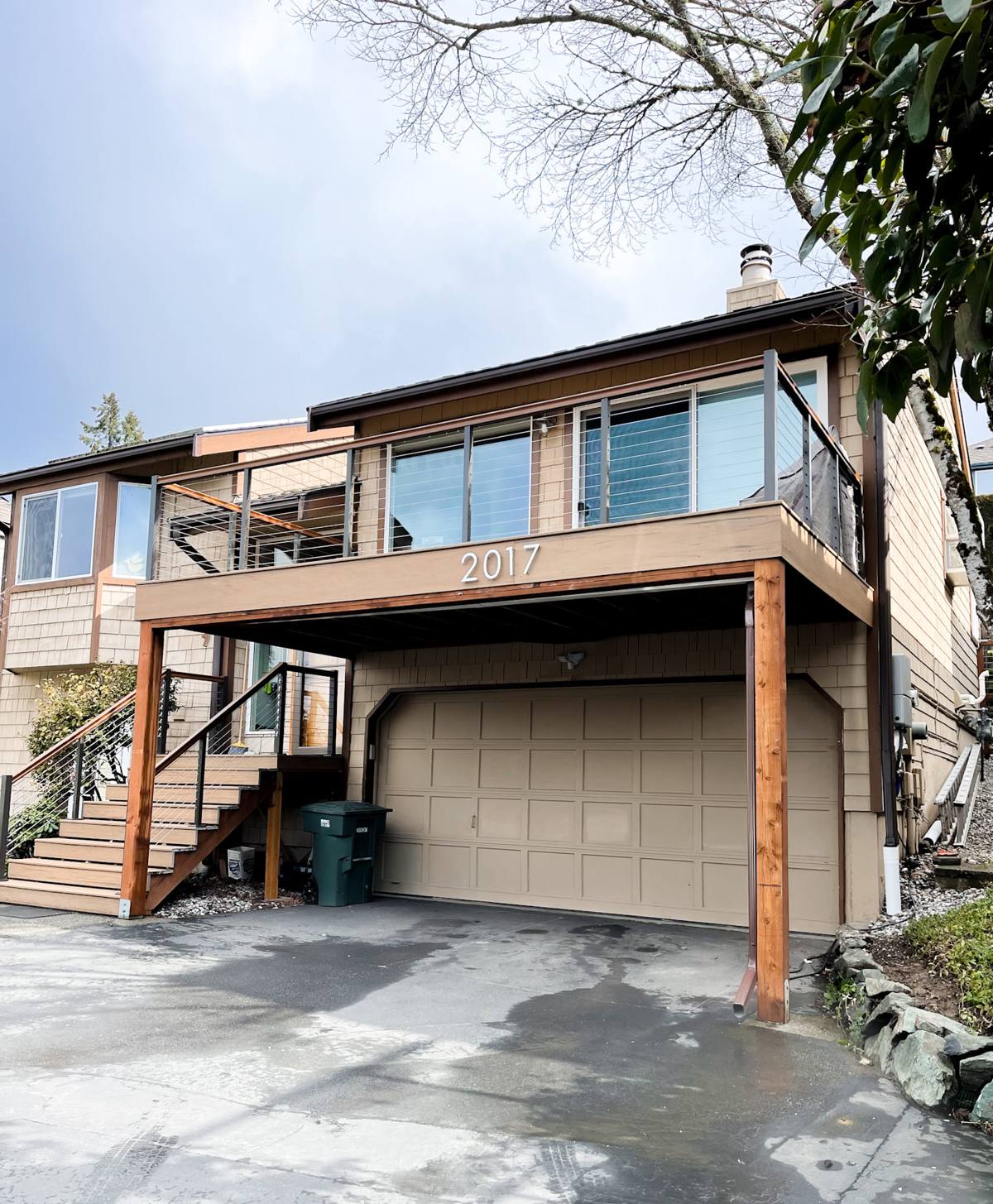
What Rain, Moss, and Salt Air Do to an Unprotected Deck
Every part of a deck — the visible boards, the framing underneath, and the hardware holding it together — is affected differently by our climate. Understanding the failure points helps explain why certain materials and building methods matter more here than they would in a drier region.
Moisture and Rot
Seattle-area rain isn't just frequent, it's often a slow, soaking rain that sits on horizontal surfaces for hours. Decking boards, especially wood ones, absorb that moisture through end grain and any place the surface coating has worn through. Where a deck really suffers is underneath — joists, beams, and ledger boards that don't get sun or airflow can stay damp for days after a storm, which is exactly the condition wood rot and fungal decay need to take hold.
Moss and Algae Buildup
Moss doesn't just make a deck look neglected — it holds moisture directly against the board surface and can work into seams and fastener holes. On shaded lots, which are common on tree-lined Capitol Hill streets, moss and algae can establish within a single wet season if a deck isn't built with drainage and airflow in mind, or if the surface material has poor moss resistance to begin with.
Temperature Swings and Movement
King County doesn't get extreme freeze-thaw cycling like colder climates, but we do get repeated wetting and drying, plus occasional cold snaps. Wood decking expands and contracts with moisture content, not just temperature, and boards that weren't installed with proper gapping can cup, crown, or split over a few seasons as they cycle between soaked and dry.
Choosing the Right Decking Material for This Climate
There's no single "best" decking material — the right choice depends on your budget, how much upkeep you want to do, and how exposed the deck is to rain and shade. Here's how the common options actually compare under our specific weather conditions.
| Material | Moisture Behavior Here | Maintenance | Typical Lifespan |
|---|---|---|---|
| Pressure-treated wood | Prone to cupping and splitting if not sealed regularly; needs a dry season to fully cure before finishing | Annual cleaning and re-sealing recommended | 10–15 years with upkeep |
| Cedar | Naturally moisture- and insect-resistant, but surface still needs protection from rain and UV | Periodic cleaning and refinishing | 15–20 years with upkeep |
| Capped composite | Doesn't absorb water the way wood does; performs well through wet winters | Occasional washing to prevent surface algae in shaded areas | 25+ years, manufacturer-warrantied |
| PVC decking | Fully moisture-resistant, unaffected by the freeze-thaw and wet-dry cycling we see | Low — mostly washing | 25+ years, manufacturer-warrantied |
We install all of these depending on what a homeowner wants, but we're upfront about the trade-offs. Wood costs less up front and has a natural look many people prefer, but it demands real annual maintenance to hold up against this much rain. Composite and PVC cost more initially but shed water instead of absorbing it, which matters a lot on a shaded, moss-prone lot. We won't push a product that doesn't fit your maintenance expectations or your budget — that's a conversation we have during the estimate, not after the deck is built.
The Structural Work Nobody Sees
The decking boards are what you notice, but the framing underneath is what determines whether the deck is safe and how long it actually lasts. This is where a lot of corners get cut on lower-quality builds, and it's the part that causes the most expensive problems later if it's done wrong.
Footings and Ledger Attachment
Capitol Hill's terrain includes plenty of sloped and uneven lots, which means footing depth and placement need to be worked out for the actual soil and grade on your property, not a generic layout. Where a deck attaches to the house — the ledger board — is the single most common point of structural failure on older decks in wet climates, because flashing that wasn't installed correctly lets water get behind the ledger and rot the rim joist it's bolted to. We flash ledger connections properly every time, because it's cheap to do right during construction and very expensive to fix once the framing behind it has already rotted.
Framing and Fasteners
We use fasteners and hardware rated for the moisture exposure our climate produces, not standard interior-grade hardware that will corrode within a few seasons. Joist spacing and beam sizing also get set based on the actual decking material and expected loads, since composite and PVC boards often have different span requirements than wood.
Drainage and Airflow Underneath
A deck built low to the ground with poor airflow underneath will stay damp longer after every rain, which accelerates rot and moss growth on the framing even if the surface boards are moisture-resistant. Where site conditions allow, we build in enough clearance and, where needed, drainage systems that route water away from the structure instead of letting it pool underneath.
Designing for Capitol Hill's Lots and Older Homes
A lot of homes in this part of King County were built decades ago, on lots that are narrower or more sloped than what you'd find in newer suburban development. That affects deck design in a few practical ways: multi-level decks are common where the yard drops away from the house, retaining walls or extra footing work may be needed on a slope, and tying a new deck into an older home's framing sometimes means addressing existing moisture damage before we can attach anything new. We look at all of this during the estimate, not after we've started, so there aren't surprise costs partway through the job.
Our Process, Start to Finish
Every deck we build goes through the same basic sequence, though the details change based on your home, lot, and material choice.
- On-site assessment — we look at the grade, existing structure (if replacing a deck), sun and shade exposure, and how the deck will connect to the house.
- Design and material discussion — we walk through decking material options, layout, and any structural considerations specific to your lot.
- Written estimate — a clear scope of work and price range before anything is scheduled.
- Permitting — we handle pulling the necessary permits for your jurisdiction and address.
- Demolition of the old deck, if applicable, with proper disposal.
- Footings, framing, and ledger flashing — the structural work that determines long-term durability.
- Decking installation, railing, and any stairs, with attention to proper board gapping and fastening for our climate.
- Final walkthrough so you know how to care for the specific material we installed.
Permits and Working With King County and Seattle Requirements
Most attached decks, and decks built above a certain height off grade, require a permit under Seattle and King County building rules. The exact thresholds, setback requirements, and inspection steps depend on your specific parcel and whether your property falls under city or county jurisdiction, so we don't rely on general assumptions — we pull the actual requirements for your address as part of the process. Skipping permits on a deck that requires one isn't just a legal risk; it can also create problems later when you sell the home, since unpermitted structural work often has to be disclosed or corrected.
Keeping a New Deck Looking Good for Decades
How long a deck lasts has as much to do with maintenance as it does with how it was built. Here's a practical checklist for keeping a Capitol Hill deck in good shape year-round:
- Sweep leaves and debris off the deck regularly in fall — trapped organic material holds moisture and feeds moss growth.
- Clean the surface at least once a year to remove early moss and algae before it spreads or stains the material.
- Check and clear gaps between boards so water can drain through instead of pooling.
- Inspect railings and stair connections annually for looseness, which can signal fastener corrosion.
- For wood decks, plan on resealing or refinishing on a regular cycle rather than waiting until it visibly needs it.
- Trim back overhanging branches where possible to reduce shade and debris buildup on the deck surface.
- Look underneath the deck periodically for standing water or signs of framing moisture, especially after a wet winter.
Why Hiring a Crew That Already Works Capitol Hill Matters
Deck-building advice that works in a dry climate doesn't automatically apply here, and generic national guidance often glosses over the specific combination of rain volume, shade, and moss pressure that King County properties deal with. A crew that regularly works Capitol Hill and the surrounding area already knows which materials hold up on shaded, tree-covered lots, how to flash a ledger board so it doesn't fail in five years instead of twenty, and what the local permitting process actually requires — because we've been through it on homes like yours, not just in a training manual. That local familiarity shows up in fewer surprises, both during construction and years down the road.
If you're planning a new deck or replacing one that's showing its age, we're happy to take a look and give you a straightforward, no-pressure estimate. Fill out the form below and we'll get in touch to schedule a time to assess your property.