 King County
 Windows Built for Redmond's Weather, Not Just Its Openings
Redmond sits in the same wet, mild, moss-friendly climate as the rest of King County, but that doesn't mean every home here has the same window needs. Newer construction in and around Redmond's tech-driven growth corridors often has standard vinyl units that were installed fast during a building boom. Older homes in established neighborhoods may still have original wood or aluminum-frame windows from decades past, patched over the years rather than properly replaced. Custom windows work means matching the right product, size, and installation detail to the specific house in front of us — not pushing a one-size-fits-all package.
The regional climate is the real driver here. Long stretches of driving rain, salt-tinged air moving in off Puget Sound, and a moss season that can run most of the year all put steady pressure on window assemblies. Water doesn't need a hurricane to find its way into a poorly flashed frame — it just needs months of steady drizzle and a gap nobody sealed correctly the first time.
What "Custom" Means for a Window Job
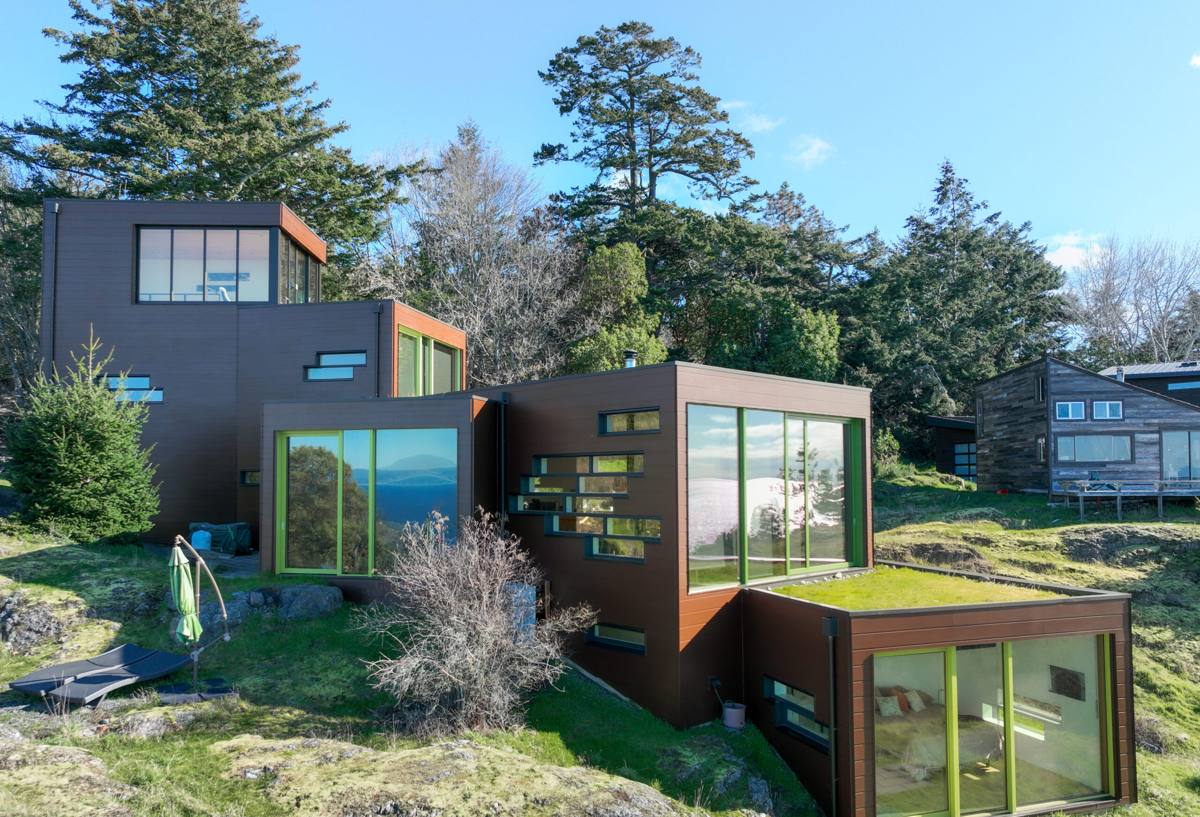
Custom doesn't necessarily mean expensive or unusual-looking. It means the window is specified and installed to fit the actual opening, the actual wall assembly, and the actual exposure of that side of the house — rather than forcing a stock size into a rough opening and caulking around the gaps.
Common reasons a Redmond home needs a custom approach
- Older houses with settled or slightly out-of-square openings that stock replacement windows won't fit cleanly
- Additions or remodels where the opening size doesn't match standard manufacturer dimensions
- Homes with unusual shapes — arched tops, angled bays, or oversized openings for view walls
- Matching a specific look (grid pattern, frame color, or trim profile) across an addition or full-home replacement
- Upgrading exposure-facing windows to a higher-performance glass package without redoing the whole house
Signs Your Current Windows Are Losing the Fight
Most window failure in this climate is slow and easy to miss until it's expensive. Here's what we look for during an assessment, and what homeowners can check themselves before calling anyone.
- Fogging or condensation between panes on double- or triple-glazed units — the seal has failed
- Soft or discolored trim and sill wood, especially on the south and west-facing sides that take the most wind-driven rain
- Visible moss or dark streaking building up on sills, tracks, or the siding directly below a window
- Drafts or a noticeable temperature difference near the glass in winter
- Difficulty opening, closing, or latching — frames can swell or warp once moisture gets into the wood
- Peeling paint or bubbling finish on the interior or exterior frame
Any one of these on its own might just need caulking or minor repair. Several together, especially on an older home, usually points to a frame or flashing problem that a new window won't fix unless the installation detail is corrected at the same time.
What a Correct Installation Actually Involves
The window itself is only part of the job. In a climate where rain is the default, not the exception, the flashing and sealing details around the window matter as much as the window's quality rating. This is where a lot of rushed installs go wrong, and it's usually invisible until years later when rot shows up inside the wall.
Our installation standard covers
- Removing the old unit and inspecting the rough opening and sheathing for hidden water damage before anything new goes in
- Repairing or replacing any compromised framing, sheathing, or trim found during that inspection
- Installing a proper weather-resistive barrier and flashing sequence — sill pan, side flashing, and head flashing lapped in the correct order so water is always directed outward and down
- Setting the window level, plumb, and square, shimmed correctly so it operates smoothly and seals evenly
- Sealing and insulating the gap between frame and rough opening with the right materials — not just spray foam or caulk alone
- Finishing interior and exterior trim to match the home, and confirming operation before we leave
Skipping the flashing sequence to save time is the single most common cause of water intrusion behind new windows. It doesn't show up on install day — it shows up two or three wet seasons later.
Frame Material Options and How They Hold Up Locally
| Frame Material | How It Handles Rain & Moisture | Maintenance | Best Fit |
|---|---|---|---|
| Vinyl | Won't rot; performs well with correct sealing | Low — occasional cleaning | Most Redmond homes, budget-conscious full replacements |
| Fiberglass | Very stable, resists warping in wet/dry cycles | Low | Larger openings, higher-exposure walls |
| Wood (clad or unclad) | Classic look, but vulnerable if finish isn't maintained | High — needs regular paint/finish upkeep | Historic or architecturally specific homes |
| Aluminum | Durable but conducts cold and can condense in our damp winters | Moderate | Limited use cases; usually replaced rather than specified new |
We don't push one material as universally "best." Vinyl and fiberglass cover the vast majority of Redmond replacement jobs well because they don't rot and tolerate our wet cycles without a maintenance schedule attached. Wood is a legitimate choice when matching an existing architectural style matters more than low upkeep, but we're upfront that it comes with a maintenance commitment the other materials don't.
Our Process, Start to Finish
1. On-site assessment
We look at the actual openings, the exposure of each wall, and any existing water damage — not just the windows you called about. This is where we catch problems a phone estimate would miss.
2. Honest scope and estimate
You get a clear breakdown of what's being replaced, what materials we're recommending and why, and what the flashing and sealing plan looks like. No pressure to upgrade beyond what the house actually needs.
3. Precise measurement and ordering
Custom work depends on getting this step right the first time. We measure each opening individually rather than assuming uniformity across the house.
4. Installation
Old units out, opening inspected and repaired as needed, new window set with full flashing detail, trimmed and finished.
5. Walkthrough and cleanup
We test operation, walk the job with you, and clear the site of old materials and debris before we consider it done.
What Affects the Cost of a Custom Window Job
Every home is different, so we won't quote a number without seeing the job — but these are the main factors that move the price up or down.
- Number and size of openings — larger or non-standard sizes cost more to source and install
- Frame material — vinyl is typically the most economical, fiberglass and wood cost more upfront
- Condition of the existing opening — hidden rot or framing repair adds labor that a healthy wall won't need
- Glass package — standard double-pane versus upgraded low-E or triple-pane options
- Access and site conditions — second-story or hard-to-reach windows take more time and equipment
- Trim and finish matching — matching existing interior trim profiles or exterior siding details adds time
Broadly, a straightforward vinyl replacement in a healthy opening sits at the lower end of the range for a project like this, while custom-sized, higher-end frame, or repair-inclusive jobs run higher. We'll walk you through where your specific project falls once we've seen it.
Why a Crew That Already Works Redmond Matters
Window installation quality in this region isn't really about the brand on the frame — it's about whether the installer understands how water moves through a wall assembly during a Puget Sound winter. A crew that works across King County regularly sees how different building eras and neighborhoods here were framed and flashed, which means fewer surprises once the old window comes out.
Local familiarity also means realistic scheduling around our wet season, proper protection of the opening if a job spans more than one day, and a crew that isn't guessing at how much rain exposure a given wall actually sees over a year. That local knowledge is part of what you're paying for — it's the difference between a window that looks fine on install day and one that's still sealed tight five wet seasons from now.
Keeping New Windows Performing Long-Term
Even a correctly installed window benefits from basic upkeep in this climate. A short seasonal routine goes a long way.
- Clear moss and debris from sills, tracks, and surrounding trim before it holds moisture against the frame
- Check and clean weep holes on vinyl and fiberglass frames so water drains rather than pools
- Inspect exterior caulking annually and re-seal any cracked or separated joints
- Repaint or refinish wood frames on the manufacturer's recommended schedule — don't wait for visible peeling
- Keep gutters and downspouts clear so overflow isn't running directly down the wall above a window
If your Redmond home has windows showing any of the wear signs above, or you're planning a custom-sized replacement as part of a remodel, we're happy to take a look. Estimates are free, there's no pressure, and you'll get a straight answer about what your home actually needs — use the form below to get started.