 King County
 Issaquah's Roofs Work Harder Than Most
Tucked against the foothills of the Cascades, Issaquah gets a version of King County weather that's a little more intense than what homes closer to the water deal with. The tree cover that makes the area beautiful also means shade, damp air, and organic debris sitting on roofs for months at a time. Add in driving rain off the Sound and the long, wet moss season that starts in fall and doesn't really let go until late spring, and you've got a climate that finds every weak point in a roof system eventually.
We've repaired enough roofs around Issaquah to know the failure patterns aren't random. They follow the terrain, the tree line, and the way water and wind move through this part of King County. A repair that doesn't account for that context is a patch, not a fix — and it usually fails again within a season or two.
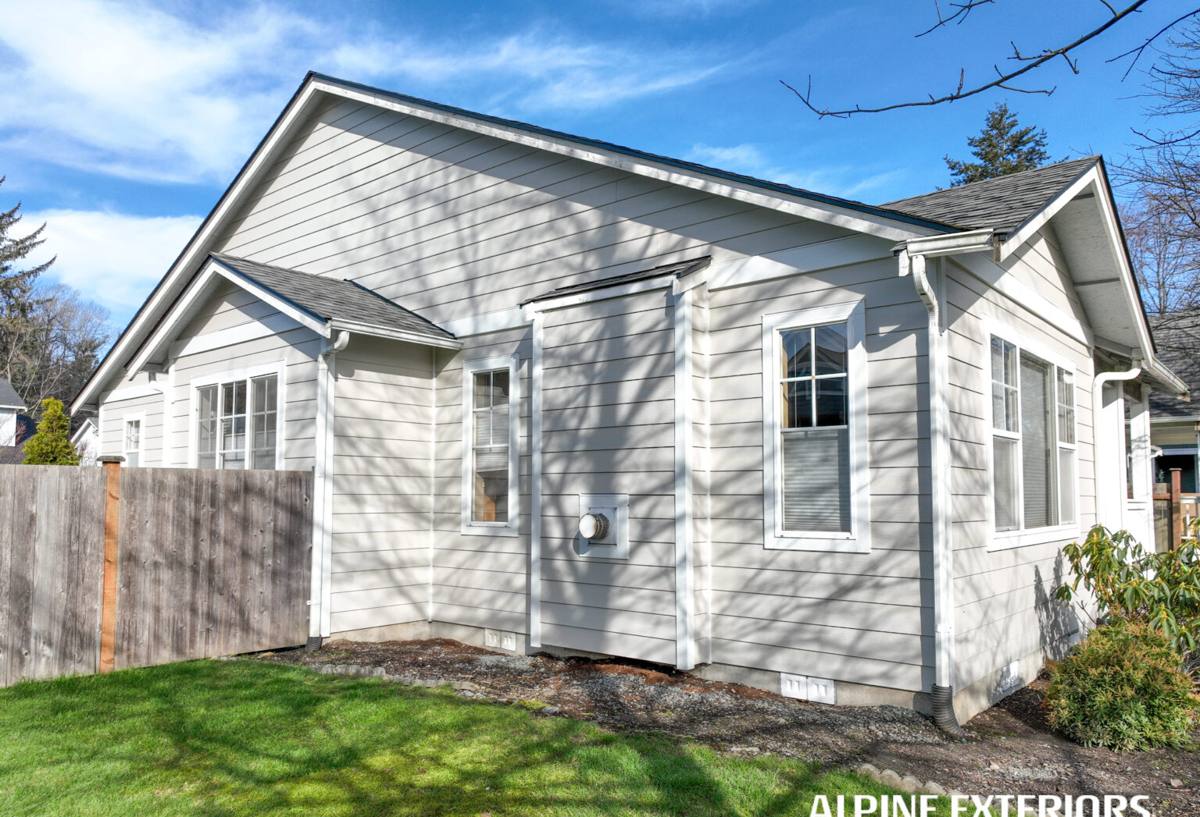
What Issaquah's Climate Actually Does to a Roof
Moss and Organic Growth
Roofs shaded by conifers or bordering greenbelt property stay damp longer after every rain. That moisture is exactly what moss needs to establish itself, and once moss gets a foothold, its root structure lifts shingle edges and holds water against the roof deck instead of shedding it. Left unaddressed through a full moss season, this is one of the most common causes of slow, hidden leaks we find in this area.
Driving Rain and Wind-Driven Water
Storms that push rain sideways instead of straight down expose weaknesses that a calm rain never would. Water gets forced up under shingle laps, around flashing edges, and into valleys that are only marginally undersized. Homes on more exposed lots or with steeper roof pitches tend to see this kind of intrusion first.
Temperature Swings and Material Fatigue
Even in a mild climate, the freeze-thaw cycles that happen a handful of times each winter stress roofing materials, sealants, and fastener points. Combined with UV exposure during summer dry spells, this fatigue is gradual — but it's part of why a roof that looked fine two years ago can suddenly develop a leak after one hard winter.
Signs an Issaquah Roof Needs Repair
- Dark streaking or visible moss/algae growth on the roof surface, especially on shaded slopes
- Granules collecting in gutters or at downspout outlets
- Curling, cracked, or lifted shingle edges
- Water stains on interior ceilings or in the attic, particularly near chimneys, skylights, or roof valleys
- Daylight visible through the roof deck when viewed from the attic
- Soft or spongy spots when walking the roof (a sign of deck damage underneath)
- Rust or separation at flashing around vents, chimneys, and wall intersections
Any one of these on its own might not mean much. Two or three together, especially after a wet winter, usually means it's time for a real inspection rather than a wait-and-see approach.
What a Correct Roof Repair Actually Involves
A lot of "roof repair" in this region amounts to a bead of sealant over a visible crack. That buys a little time but doesn't address why the leak happened in the first place. Our standard is different: every repair starts with figuring out the actual water path, not just the spot where it showed up inside the house — water often travels along the deck or underlayment before it drips somewhere visible.
What We Check Before Any Repair
- The condition of the underlayment and roof deck around the failure point, not just the surface layer
- Flashing at every penetration — chimneys, vents, skylights — since these are the most common failure points in our climate
- Valley construction and whether it's sized and lined appropriately for the water volume that pitch and roof area will actually see
- Moss and debris buildup elsewhere on the roof that could cause the next leak even if it's not causing this one
- Ventilation, since poor attic airflow accelerates deck rot and shortens the life of any repair done over it
Only after that do we scope the actual repair — which might be a shingle and underlayment section replacement, a re-flash, a valley rebuild, or in some cases a recommendation that the area is too far gone for a spot repair to be worthwhile.
Our Roof Repair Process
- On-site assessment. We walk the roof (not just look from the ground) and check the attic from the inside when accessible, since interior signs often tell a different story than the surface.
- Honest scope and estimate. You get a plain explanation of what's actually wrong, what's causing it, and what it will take to fix correctly — including if a repair isn't the right call and replacement makes more sense.
- Repair work. Matching materials as closely as possible to your existing roof, addressing the root cause (not just the visible symptom), and rechecking surrounding areas for related wear.
- Cleanup and walk-through. We clear debris, check gutters and downspouts near the repair area, and go over what we did and what to watch for going forward.
Repair vs. Replacement: How to Think About It
Not every roof problem calls for a full replacement, but not every leak should be treated as a simple patch either. These are the factors that usually decide it:
| Factor | Leans Toward Repair | Leans Toward Replacement |
|---|---|---|
| Roof age | Under 15 years, single isolated issue | Nearing or past manufacturer lifespan |
| Extent of damage | Localized to one area or penetration | Spread across multiple slopes or recurring in different spots |
| Deck condition | Solid, dry decking under the damaged area | Soft, rotted, or delaminated decking found on inspection |
| Moss/organic history | Recent growth, caught early | Long-term moss damage with granule loss across large areas |
| Underlying material | Materials still supple and intact elsewhere | Widespread brittleness, cracking, or curling |
We'll tell you honestly which side of that table your roof falls on. A repair that's likely to fail again within a year isn't a good use of your money, and we'd rather say that up front than come back to redo the same section twice.
Materials We Use and Why
For repairs, matching your existing roofing material as closely as possible matters — mismatched shingle profiles or colors stand out, and inconsistent materials can age at different rates. We use roofing materials and underlayment products chosen for how they hold up to sustained moisture exposure and repeated wet-dry cycling, since that's the real-world condition Issaquah roofs face for most of the year. Where flashing is involved, we favor metal flashing systems over caulk-dependent repairs, since sealant alone tends to fail faster in a climate with this much sustained dampness. Any moss treatment we recommend is aimed at slowing regrowth without damaging the roof surface or nearby landscaping.
What Roof Repair Costs Depend On
We don't quote prices without seeing the roof, but the honest cost drivers are consistent across jobs in this area:
| Cost Factor | Why It Matters |
|---|---|
| Roof pitch and accessibility | Steeper or harder-to-reach roofs take longer and require more safety setup |
| Extent of deck damage | Rotted decking under a leak adds material and labor beyond the surface repair |
| Material match | Older or discontinued shingle styles can be harder to source and match |
| Number of penetrations involved | Each vent, chimney, or skylight near the repair area adds flashing work |
| Moss/debris remediation needed | Roofs with heavy buildup may need cleaning before repair work can even begin |
Repairs in this area typically run from a few hundred dollars for a simple, isolated fix up to several thousand for repairs involving deck replacement or multiple problem areas. The only way to know where your specific job lands is an on-site look.
Maintenance That Extends the Life of an Issaquah Roof
- Clear moss and debris from shaded slopes at least once a year, ideally before the wet season sets in
- Keep gutters and downspouts clear so water isn't backing up under the roof edge
- Trim back tree limbs that overhang the roof to reduce shade, debris, and physical abrasion
- Check attic ventilation periodically — poor airflow accelerates moisture damage from the inside out
- Have flashing around chimneys, vents, and skylights inspected every few years, since these fail before the roof field usually does
- Address small leaks as soon as they're noticed rather than waiting for wet season to end
Why Hire a Crew That Already Works in Issaquah
A roofing crew that mostly works other parts of King County can still do competent work, but they won't necessarily recognize the specific patterns this area produces — which slopes tend to hold moss longest, how tree cover changes ventilation needs, or which flashing details tend to fail first given the local rain patterns. Crews already familiar with Issaquah's terrain and housing stock diagnose faster and are less likely to miss a related issue nearby while focused on the obvious leak. That familiarity translates into fewer repeat visits and repairs that actually hold up through the next wet season.
If you're dealing with a leak, visible moss, or just want an honest read on your roof's condition, we're happy to take a look. Reach out for a free, no-pressure estimate using the form below.