 King County
 Why Redmond Roofs Age the Way They Do
Redmond sits in one of the wettest, greenest corners of King County, and that same tree cover and moisture that make the area beautiful are hard on a roof. Storm systems moving in off Puget Sound keep the air damp for months at a stretch, and that moisture-laden air carries a faint salt influence across much of the region, which speeds up corrosion on exposed metal fasteners, flashing, and vent stacks over time. Add in a long moss season — often running from late fall through spring — and you have conditions that will find every weak point in a roofing system, not just the obvious ones.
A roof that was installed correctly for this climate holds up well for decades. One that was installed with shortcuts, or with the wrong materials for a shaded, tree-covered lot, tends to show problems years before it should. When we replace a roof in Redmond, we're not just matching what's up there now — we're building for the specific way weather behaves in this part of King County.
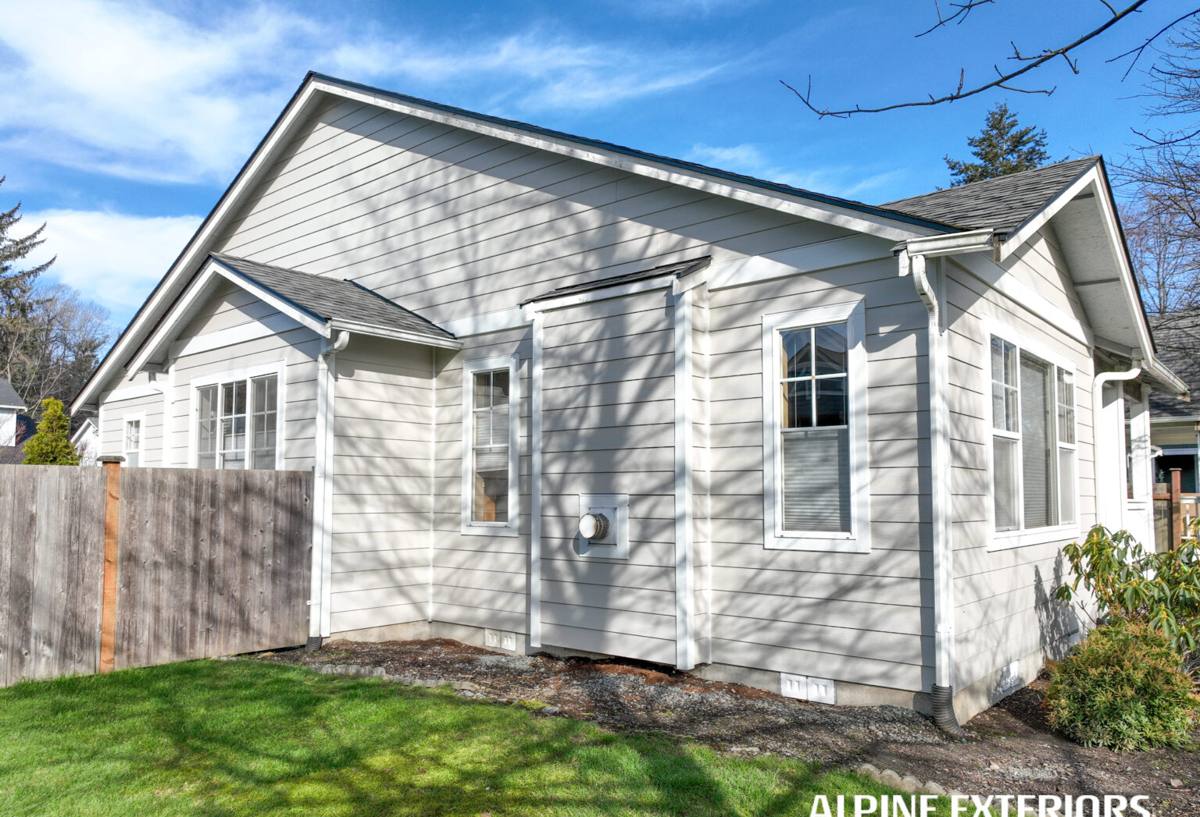
Signs a Redmond Roof Needs Replacement, Not Another Repair
Not every roofing problem calls for a full replacement, and we'll tell you honestly when a repair is the right call instead. But there are signs that point to a roof nearing or past the end of its useful life:
- Granules collecting in gutters or at downspout outlets, showing the shingle surface is wearing away
- Shingles that are curling, cupping, or cracking, especially on south- and west-facing slopes
- Persistent moss or algae growth that comes back within weeks of cleaning
- Soft or spongy spots in the decking, often found first from inside the attic as staining or daylight
- Repeated leaks in different spots each season rather than one isolated area
- A roof that's already had two or more repair visits in the past few years
- Visible sagging along the ridge or roofline
If you're seeing two or more of these at once, replacement is usually the more cost-effective path — repeated patch repairs on an aging roof add up, and they don't solve the underlying moisture or ventilation issues that caused the damage in the first place.
What a Correct Roof Replacement Actually Involves
A roof replacement is more than swapping old shingles for new ones. Done right, it addresses everything underneath the surface layer too:
Tear-Off and Deck Inspection
We remove the old roofing down to the deck rather than layering over it. This is the only way to see the plywood or OSB sheathing underneath — in a climate like Redmond's, hidden rot under an old roof is common, and it has to be found and replaced before new material goes down, not covered up.
Underlayment
A synthetic or felt underlayment goes down as the roof's real waterproof barrier, with self-adhering ice-and-water membrane at vulnerable spots — valleys, eaves, and around penetrations — where wind-driven rain is most likely to get pushed under the shingle line.
Flashing
Flashing around chimneys, skylights, and wall intersections fails quietly and causes a disproportionate share of leaks. We replace flashing rather than reuse it, since bent, rusted, or improperly lapped flashing is one of the most common causes of a "new roof that still leaks."
Ventilation
Proper intake and exhaust ventilation keeps the attic temperature and moisture balanced. Without it, moisture gets trapped, condensation forms on the underside of the deck, and shingles fail from below years before their rated lifespan — a problem that's especially common on shaded, tree-covered Redmond lots where roofs don't get much drying sun.
Choosing the Right Material for King County Weather
There's no single "best" roofing material — the right choice depends on your home, your budget, and how much maintenance you want to take on. Here's how the common options compare for a climate with heavy rain and a real moss season:
| Material | Typical Lifespan | Moss/Moisture Behavior | Maintenance |
|---|---|---|---|
| Architectural asphalt shingle | 25–30 years | Good with algae-resistant granules; needs periodic moss removal | Low to moderate |
| Metal (standing seam or panel) | 40–50+ years | Sheds moisture fast; moss struggles to take hold | Low |
| Cedar shake | 20–30 years with upkeep | Attractive but holds moisture; needs consistent treatment and cleaning | High |
| Synthetic composite | 40–50 years | Doesn't absorb moisture; resists moss and rot well | Low |
We're generally cautious about recommending untreated cedar shake in heavily shaded, tree-covered areas of Redmond. It's a good-looking product, but its moisture-holding nature means it needs real upkeep to avoid rot and moss buildup in a climate this wet — that's a maintenance trade-off, not a defect in the material, and we'll walk you through it honestly if it's something you're considering.
For most Redmond homes, a quality architectural shingle with algae-resistant granules hits the right balance of cost, appearance, and durability. Metal and synthetic composites cost more upfront but ask less of you over the life of the roof.
Our Roof Replacement Process
We keep the process straightforward and communicate at each step, so there aren't surprises mid-project:
- Inspection and estimate. We walk the roof, check the attic where accessible, and give you a written scope and price — no pressure, no inflated "today only" pricing.
- Material selection. We go over the options that fit your home and budget, including honest trade-offs between them.
- Scheduling around weather. We plan the tear-off and dry-in for a stretch of manageable weather where possible, and we protect the home with tarps and staging if conditions shift mid-job.
- Property protection. Landscaping, siding, gutters, and driveways get covered or protected before work starts.
- Tear-off and deck repair. Old roofing comes off, the deck gets inspected, and any damaged sheathing is replaced before anything new goes down.
- Installation. Underlayment, flashing, ventilation components, and the finish material go on to manufacturer specification.
- Cleanup and magnetic sweep. Debris and stray fasteners are cleared from the yard and driveway.
- Final walkthrough. We go over the finished roof with you before calling the job done.
Ventilation and Moss Prevention Built Into the Job
Because moss season runs long here, we treat moss prevention as part of the roof system, not an afterthought. That means correct intake and exhaust venting so the roof deck can dry out between rain events, algae-resistant shingle granules where that material is chosen, and attention to any low-slope or shaded sections where moisture naturally lingers longest. A roof that's ventilated correctly sheds moisture faster and gives moss less time to establish itself — which means less pressure-washing and gentler treatment needed down the road, and less risk of the granule and moisture damage that shortens a roof's life.
Cost Factors for a Redmond Roof Replacement
Every roof is different, so we won't quote a number without seeing yours — but these are the main factors that move the price up or down:
| Factor | Why It Matters |
|---|---|
| Roof size and number of facets | More squares and more valleys/hips mean more material and labor |
| Pitch and accessibility | Steep or hard-to-access roofs require more safety setup and time |
| Existing layers to remove | Tear-off of multiple old layers adds labor and disposal cost |
| Deck condition | Rotted sheathing found during tear-off adds material and labor to repair |
| Material chosen | Asphalt, metal, and synthetic composites carry different material costs |
| Ventilation and flashing upgrades | Bringing older systems up to current standards adds scope but reduces future problems |
Generally, a straightforward asphalt shingle replacement on a typical Redmond home runs in the mid-to-upper five figures, with metal or synthetic composite roofs costing more upfront in exchange for a much longer service life. We'll give you the real number in writing after we've actually looked at your roof.
Why Hire a Crew That Already Works in Redmond
Local experience matters more on a roof than on almost any other part of a home. A crew that already works throughout Redmond and greater King County knows how local building code and permitting for reroofing typically works, understands how tree cover and drainage patterns on Eastside lots affect ventilation choices, and has already seen how different materials hold up through more than one full Pacific Northwest wet season — not just on paper, but on roofs like yours. That experience shows up in fewer callbacks and a roof that's built for how this area actually behaves, not a generic installation.
What to Ask Before You Hire Anyone
- Are you licensed and insured to work in Washington State, and can you provide proof?
- Will you provide a written scope of work, not just a one-line estimate?
- Do you replace flashing and inspect the deck, or just re-cover what's there?
- What manufacturer warranty applies, and are you a certified installer for it?
- How do you handle weather delays mid-project?
- Can you explain, in plain terms, why you're recommending one material over another for my home?
A contractor who answers those questions directly, without hedging or pressure tactics, is generally the safer choice regardless of price.
If your roof is showing wear, or you just want an honest opinion on whether repair or replacement makes more sense for your Redmond home, we're happy to take a look. The estimate is free, there's no pressure to sign anything on the spot, and you'll get a straight answer either way — just fill out the form below to get started.