 King County
 Roof Replacement Built for Sammamish's Climate
Sammamish sits inland from Puget Sound, tucked between Lake Sammamish and the forested ridgelines of the Issaquah Plateau. That geography shapes what a roof here has to deal with: heavy tree canopy on most residential lots, long stretches of damp marine air moving through the region, and a wet season that can run from October well into spring. None of that is unique to any one street in Sammamish, but it's the reality every roof in this area is built against, and it's why a roof replacement here needs to be planned differently than one in a drier, more open part of the state.
The biggest factor isn't any single storm. It's duration. King County's climate doesn't usually deliver dramatic wind events, but it does deliver months of low-grade moisture exposure, shaded roof sections that never fully dry out, and organic debris that collects in valleys and gutters. A roof replacement that doesn't account for that will look fine on installation day and start failing in the exact places you'd expect within a few wet seasons.
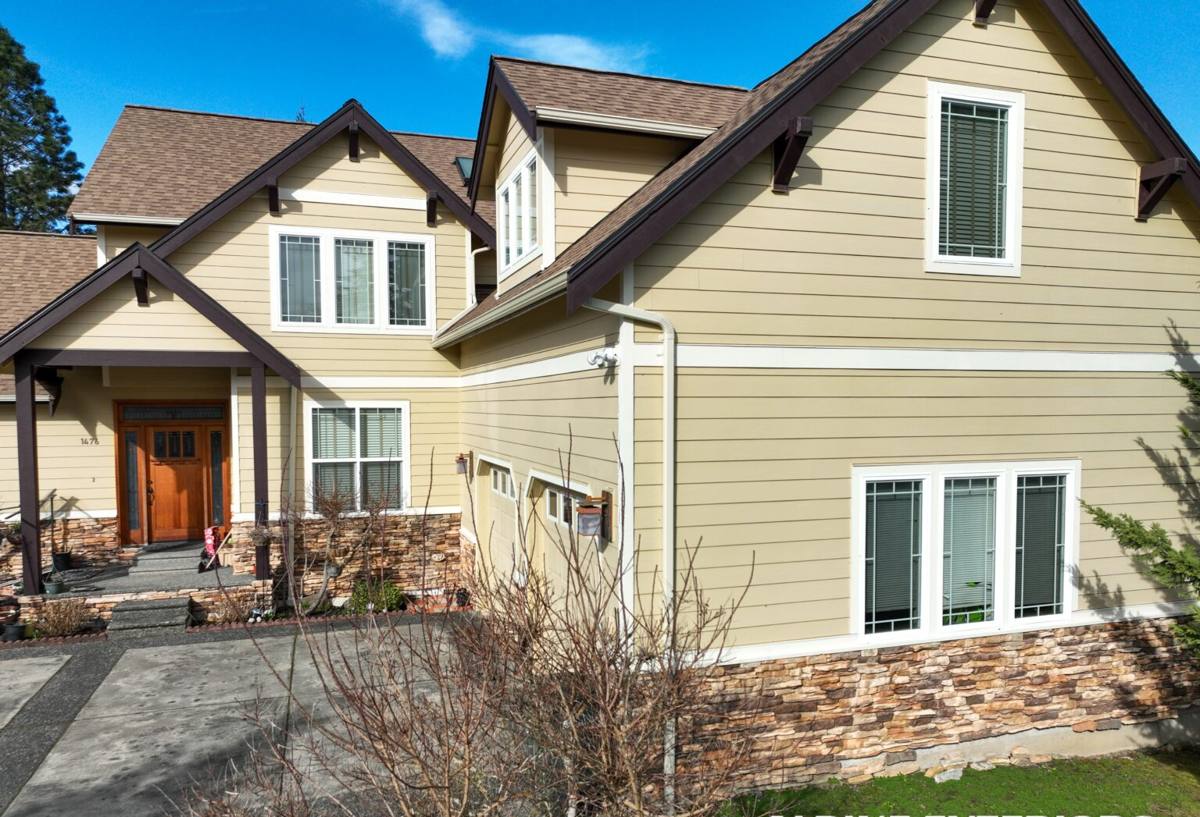
What Sammamish Homes Actually Need From a Roof
Moss and Moisture Management
Sammamish's tree cover is a defining feature of the area, and it's also the main reason moss and algae growth is such a persistent issue on local roofs. Shaded, north-facing slopes and sections that sit under overhanging branches stay damp longer after every rain, and moss doesn't just sit on top of shingles cosmetically — it holds moisture against the roof surface and can work its way under shingle edges over time, lifting them and creating paths for water intrusion. A correct roof replacement in this area accounts for moss-resistant materials, proper ventilation to help surfaces dry out between rain events, and detailing that doesn't leave debris traps at valleys and transitions.
Sustained Rain Over Sudden Downpours
The Puget Sound region's rain pattern is defined by long, steady systems rather than short intense storms. That means underlayment, flashing, and valley details are doing more cumulative work over a Sammamish roof's lifetime than they might in a climate with less consistent precipitation. Every seam, nail penetration, and transition point needs to be sealed and lapped correctly, because a marginal detail that might survive a dry climate will get tested repeatedly here.
Ventilation and Attic Moisture
Damp regional air combined with tree-shaded roof surfaces makes attic ventilation more important in Sammamish than in drier parts of the state. Poor intake and exhaust balance traps humidity in the attic, which can lead to sheathing rot from the underside — a problem that often isn't visible until it's advanced. Roof replacement is the right time to correct ventilation, since the roof deck is fully exposed and any existing moisture damage can be identified and repaired before new roofing goes down.
Signs a Sammamish Roof Is Due for Replacement
- Moss buildup that returns quickly after cleaning, or moss visibly lifting shingle tabs
- Granule loss showing up in gutters, especially after a wet winter
- Curling, cupping, or cracked shingles, particularly on shaded slopes
- Soft spots or sagging when walked on, which can indicate deck rot underneath
- Daylight visible through the attic roof deck, or damp insulation after rain
- Roof age approaching or past the manufacturer's expected service life for the local climate
- Recurring leaks around chimneys, skylights, or valleys despite prior patch repairs
Any one of these on its own might just mean a repair. Several together, especially on a roof that's already 15-20+ years old, usually means the underlying materials are wearing out faster than the shingles show on the surface, and replacement is the more honest recommendation than another round of patching.
What a Correct Roof Replacement Involves
Full Tear-Off and Deck Inspection
We don't recommend layering new shingles over old roofing. A full tear-off lets us inspect the actual roof deck for rot, soft spots, or moisture damage that's common under moss-affected areas and shaded valleys in Sammamish. Any damaged sheathing gets replaced before new roofing goes down — skipping this step just buries a problem under a new surface.
Underlayment and Ice/Water Protection
Given the region's sustained rain pattern, we use underlayment systems built for prolonged wet exposure, with extra protection at eaves, valleys, and any low-slope transitions where water sits longest.
Flashing and Penetration Details
Chimneys, skylights, plumbing vents, and wall-to-roof transitions are where most leaks actually originate, not in the open field of shingles. Correct flashing, properly lapped and sealed, matters more over the life of a Sammamish roof than almost any other single detail.
Ventilation Correction
We evaluate intake and exhaust ventilation as part of the replacement, not as an afterthought, since it directly affects how much moisture the attic holds through the wet season.
Material Selection
We'll walk through material options honestly, including how each performs against moss, moisture, and shade exposure specific to a tree-covered lot, rather than pushing a single product regardless of fit.
Comparing Common Roofing Materials for This Climate
| Material | Moss/Moisture Resistance | Typical Lifespan | Maintenance Considerations |
|---|---|---|---|
| Standard Asphalt Shingle | Moderate — benefits from algae-resistant granules | 20-25 years | Needs periodic moss/debris removal, especially on shaded slopes |
| Architectural/Laminate Shingle | Good, especially with algae-resistant granule treatment | 25-30 years | More resistant to lifting; still benefits from valley debris clearing |
| Metal Roofing | Very good — sheds moisture and resists moss adhesion | 40-50+ years | Higher upfront cost; installation sensitivity around seams and fasteners |
| Cedar Shake | Requires diligent maintenance in damp, shaded conditions | 20-30 years with upkeep | Higher moisture and moss maintenance burden in tree-covered areas |
This is a general comparison, not a recommendation for every home. The right choice depends on how much shade and tree cover your specific roof deals with, your budget, and how much ongoing maintenance you want to take on. We'll go over the honest trade-offs for your roof specifically during an estimate, rather than defaulting to whatever's easiest to sell.
Our Process for Sammamish Roof Replacements
1. On-Site Inspection
We walk the roof, check the attic where accessible, and look at how tree cover and shading affect different slopes of your specific property. Sammamish lots vary a lot in canopy density, and that changes what your roof needs.
2. Honest Assessment and Written Estimate
You get a clear explanation of what we found, what's driving the recommendation, and a written scope and price — not a vague verbal ballpark.
3. Material Discussion
We go over options suited to your roof's exposure and your budget, including moss-resistant and moisture-management considerations specific to your slopes.
4. Tear-Off and Deck Repair
Old roofing comes off, the deck gets inspected, and any rot or damage is repaired before anything new goes down.
5. Installation
Underlayment, flashing, ventilation, and roofing materials are installed to manufacturer spec and correct local building code.
6. Final Walkthrough
We walk the finished roof with you, cover care and maintenance specific to a shaded, moss-prone property, and answer questions before we consider the job done.
Why a Locally Experienced Crew Matters
Roofing crews that work regularly in King County's wooded, damp neighborhoods develop a practical understanding that's hard to get elsewhere: which slopes on a shaded lot typically hold moisture longest, how much ventilation a given attic configuration actually needs, and where moss tends to establish first on a roof. That's not a marketing point — it's the difference between a crew that's diagnosing your roof from scratch and one that already knows what a damp, tree-covered property in this region tends to need.
It also matters for follow-through. A local crew is easy to reach if a question comes up after installation, and has a reputation in the community worth protecting — which shapes how carefully the job gets done in the first place.
Maintenance After Replacement
- Clear debris from valleys and gutters at least once or twice a year, more often under heavy tree cover
- Watch for early moss regrowth on shaded slopes and address it before it spreads
- Keep overhanging branches trimmed back where reasonably possible to reduce shade and debris
- Check attic ventilation isn't blocked by insulation or debris after any attic work
- Have the roof inspected after any major windstorm, even if no leaks are apparent
A well-installed roof still benefits from basic upkeep, especially in a climate that gives moss and moisture every opportunity to take hold. None of this is complicated, but skipping it shortens the life of even a correctly installed roof.
If your Sammamish roof is showing wear, dealing with recurring moss, or just approaching the age where replacement makes more sense than another repair, we're happy to take a look and give you a straight answer. Fill out the form below for a free, no-pressure estimate.